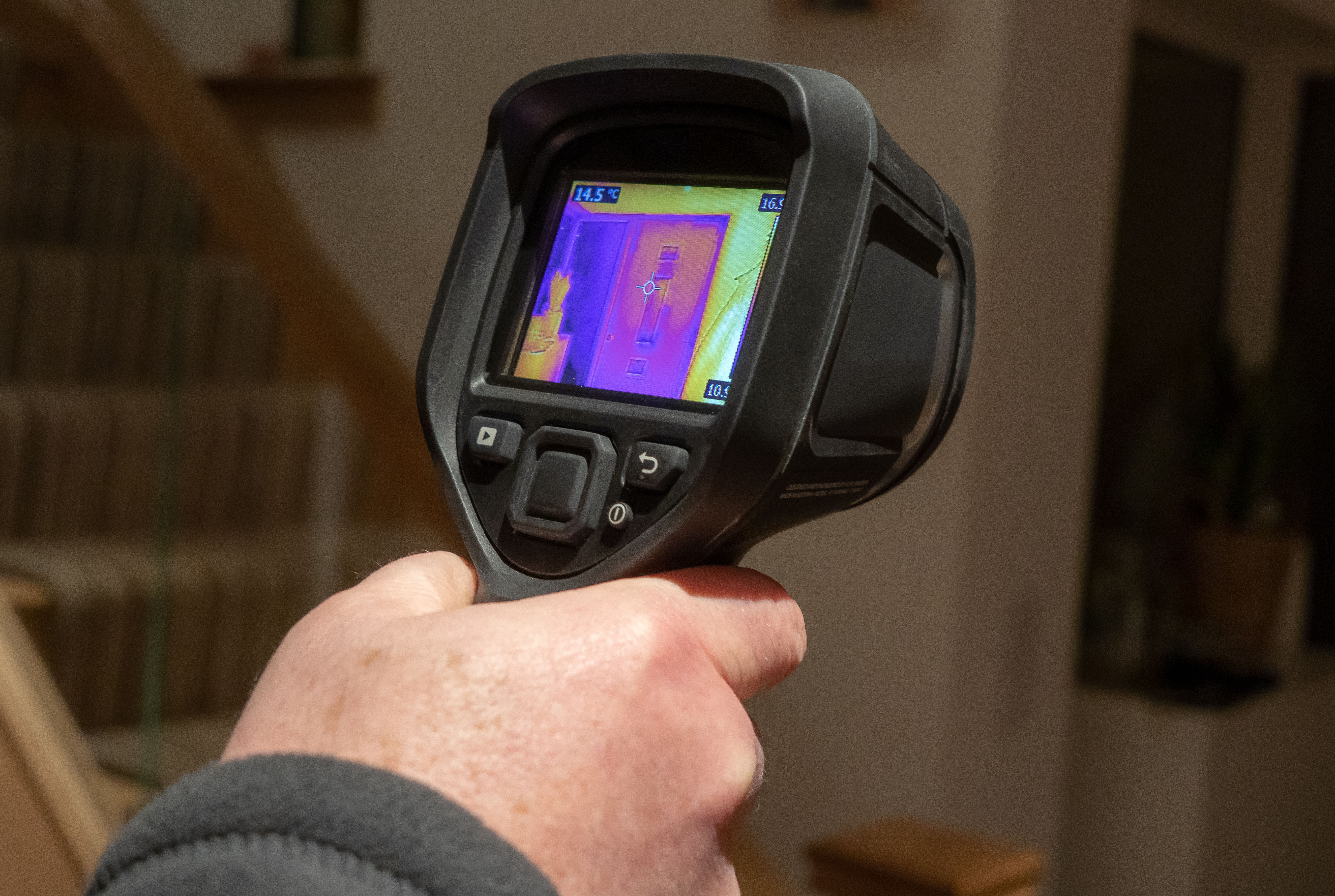











Top-rated energy efficiency auditors.

Get matched with top energy efficiency auditors in Harrison, WI

Enter your zip and get matched with up to 5 pros

Need a pro for your energy efficiency auditing project in Harrison, WI?

Select your specific project to find the pro for you.

Find Energy efficiency auditors in Harrison

Avatar for Home Energy Solutions
Home Energy Solutions
4.7(
14
)
Home Energy Audit

Serving Harrison, WI and surrounding areas

In business since 1992

Credit card accepted

"John was excellent to work with. Very thorough in his pre energy inspection as well with post inspection. Without John s work the insulation crew would have had a difficult time finding the problem areas. Highly recommend for ANY insulation work."
Response time9 hrs
Response rate91%
Recommended by90%of homeowners

Energy Efficiency Auditing questions, answered by experts

The number one culprit of high energy bills is older appliances, especially fridges and freezers that are left on all the time. These two appliances tend to last a long time, which is good, but it also means that newer models are usually significantly more energy-efficient due to upgraded technology. The second most common reason for a high bill is heating and air conditioning.

You can save money on heating oil through a combination of improving home efficiency and smart purchasing strategies.

Home Efficiency and Usage:

  • Improve Insulation: Ensure your home, especially the basement and attic, is well-insulated and sealed against drafts to prevent heat leakage.

  • Manage Your Thermostat: Use a properly calibrated and programmable thermostat. Lower the temperature by a few degrees, particularly when you are away from home or asleep.

Purchasing Strategies:

  • Buy in the Off-Season: Order heating oil during the summer months when prices are generally at their lowest. This strategy is most effective if you have a large primary tank or a separate storage tank to accommodate bulk deliveries.

  • Consider a Delivery Contract: Some companies offer contracts with a set price for the term. This can lead to savings if market prices for oil increase, but you might pay more if prices drop.

The difference between an energy auditor and a home inspector is primarily in the purpose of the inspection. The energy auditor conducts tests in your home to determine the energy efficiency levels in areas like windows, insulation, and doorways. The auditor then makes recommendations for ways to improve a home’s energy efficiency. 

A home inspector examines various structures of your home to determine that everything is up to code and gauge the condition of features like the roof, foundation, HVAC, and electrical. The home inspector reports on the overall home and makes repair recommendations.

A whole-house humidifier can positively impact energy consumption by improving heating efficiency. During colder months, humidified air feels warmer, which allows you to lower your thermostat without sacrificing comfort. This adjustment can lead to significant energy savings as your heating system works more efficiently. However, it's important to use the humidifier judiciously, as excessive humidity could potentially strain your cooling system in warmer months.

R-value measures an insulation material's thermal resistance, indicating its ability to resist heat transfer. A higher R-value signifies better insulation performance because the material is more effective at slowing heat flow. The R-value depends on the type, thickness, and density of the insulation material, such as fiberglass, foam, or cellulose. Each inch of insulation typically provides an R-value between 3 and 8. There is no single universal R-value; the optimal choice depends on your climate zone. Colder climates require a much higher R-value than warmer ones to maintain energy efficiency, keep the home warm in winter and cool in summer, and manage costs.

The Harrison, WI homeowners’ guide to energy efficiency auditing services

From average costs to expert advice, get all the answers you need to get your job done.