



Top-rated lawn care providers.

Best lawn care providers near Eagle, WI

Enter your zip and get matched with up to 5 pros

Need a pro for your lawn service project in Eagle, WI?

Select your specific project to find the pro for you.

TRUSTED BY EAGLE, WI HOMEOWNERS

  • Average homeowner rating star icon4.5
    Average homeowner rating
  • Verified reviews icon245
    Verified lawn services reviews

Top-Rated Lawn care providers in Eagle - Updated Nov 2026

Avatar for TruGreen
TruGreen
3.1(
2,962
)
Lawn Care - Aerate a LawnLawn Care - Fertilize or Treat a Lawn

Serving Eagle, WI and surrounding areas

Approved

In business since 1974

Free estimates

Warranties offered

"I think they treated the wrong lawn. The note they sent me via text message referenced trees and shrubs in my yard, I have none. They also did not leave a yard marker showing they had been there. Otherwise, this would have been a 5 star review."
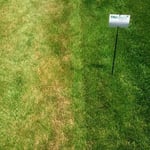
TruGreen Treated vs Non-Treated
Enjoy Your Lawn at it's Fullest Potential
TruGreen Treated vs Non-Treated
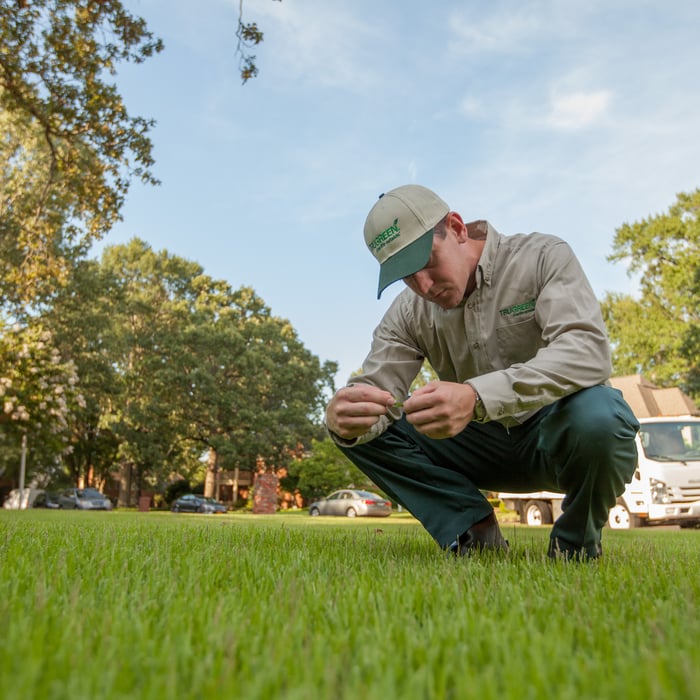
TruGreen Lawn
TruGreen Healthy Lawn Analysis

+4

Recommended by76%of homeowners
Avatar for Weed Man
Weed Man
3.9(
11
)
Lawn Care - Fertilize or Treat a Lawn

Serving Eagle, WI and surrounding areas

Approved

In business since 2012

Free estimates

Credit card accepted

"Weed Man was very professional in describing and scheduling their services. Getting my lawn back in shape will be ongoing. I'm confident that Weed Man will help my lawn come back to it's original glory!"
Response time1 day
Recommended by88%of homeowners
...
Showing 1-10 of 267
Lawns FAQs, answered by experts

It typically takes six to 12 months for leaves to decompose entirely. The process involves the mulch composting into your lawn to deliver nutrients that facilitate grass growth. The recommended process is to spread a thick layer of leaf mulch over your garden and let it marinate for a few seasons for best long-term results.

Digging a bush up by the roots is the most natural DIY method for removing a bush stump. Start by identifying the shrub type and revealing its roots. Cut the shrub to its base and loosen the soil, ensuring no utility lines are nearby. Optionally, treat the base with herbicide, then dig around the roots and cut a circle around the shrub using various tools. Dig a trench, cut the base of the root ball, and finally fill the hole to prevent regrowth. This thorough process ensures complete removal without damaging surrounding areas.

Using specialized equipment, they aerate thoroughly, alleviating compaction and enhancing root health.

Pulling weeds once per month is typically often enough to keep most weeds at bay. But in general, it's best to pull weeds as soon as you spot them to prevent deep root growth and slow their spread. To make it easier, plan your weed pulling after rain or after the sprinklers run so the soil will be nice and wet and the weeds will be easier to pull. If you notice moss accompanying weeds, make a plan to remove the moss immediately to prevent damage.

Yes, it's perfectly safe and environmentally sound to mulch leaves with a lawn mower, provided that the layer of leaves isn't too thick and the leaves are dry and crispy. Too many wet leaves get sticky and will clog the mower. Thick layers of leaves can suffocate the lawn after the leaves have been mulched, so the layer should be no more than six inches thick.

The Eagle, WI homeowners’ guide to lawn services

From average costs to expert advice, get all the answers you need to get your job done.