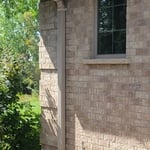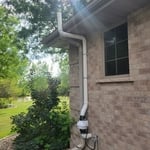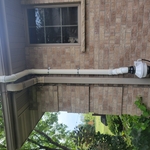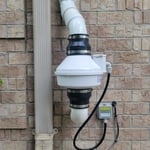







Top-rated radon detection and reduction specialists.

Get matched with top radon detection and reduction specialists in Dale, WI

Enter your zip and get matched with up to 5 pros

Need a pro for your radon detection and reduction project in Dale, WI?

Select your specific project to find the pro for you.

Find Radon detection and reduction specialists in Dale

Avatar for A-Max Home Inspections, LLC
A-Max Home Inspections, LLC
4.8(
21
)

Serving Dale, WI and surrounding areas

In business since 2014

"Ryan did an excellent job. We were the buyers and he went through everything with us detail by detail of what was wrong with the home and how we could fix it (if possible). We didn't sign up for a randon test as first but on his suggestion we added that. It failed and I'm so grateful we took his suggestion so we could address this ASAP. We sent us our full report hours after the showing, even through we picked the latest time slot of the inspection. When i had a follow-up question he responded in minutes and was super helpful! If we ever have another inspection I will be using A-Max again."
Home Inspections Pics

+4

Recommended by100%of homeowners
Radon Detection and Reduction questions, answered by experts

While DIY testing is possible, abatement generally requires professional installation to ensure efficacy and meet safety standards.

No, air purifiers are not an effective way to reduce or remove radon. Radon is a radioactive, inert gas that cannot be filtered by standard air purifiers, which are designed to capture particulates like dust and mold. While an air purifier can improve indoor air quality by removing other pollutants, it should not be relied upon for radon. The only effective solution for high radon levels is a dedicated radon mitigation system.

The soil beneath your house is most likely what’s causing an increased level of radon. This is because soil holds radioactivity for a long time and it’s also what most buildings are built on. Another common source of radon is water from a source that hasn’t been through periodic radon tests, such as well water. Over time, the radon from the soil can inhabit other parts of your house like the foundation or plumbing.

If high radon levels are detected, steps include sealing entry points, installing a mitigation system, and retesting the air regularly to ensure reduced levels.

Abatement includes sealing entry points and venting with systems that reduce radon levels below recommended EPA limits. It is handled by certified professionals.

The Dale, WI homeowners’ guide to radon detection and reduction services

From average costs to expert advice, get all the answers you need to get your job done.