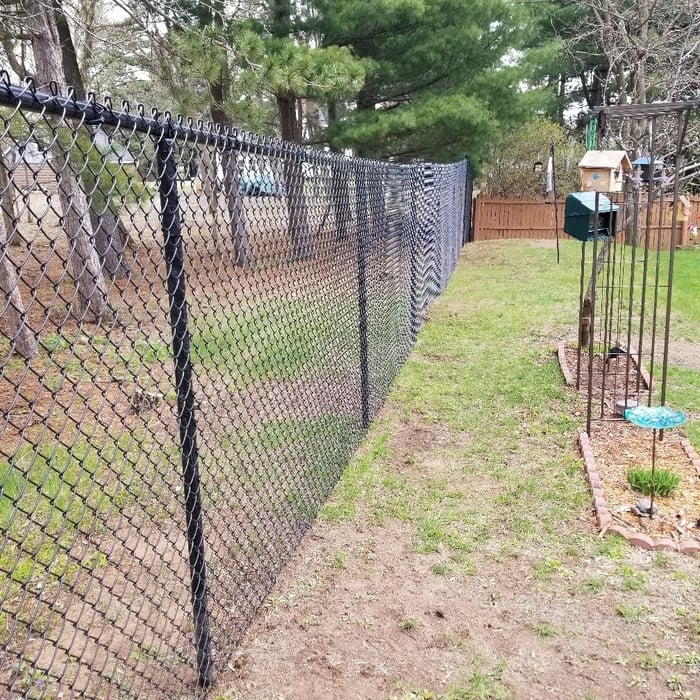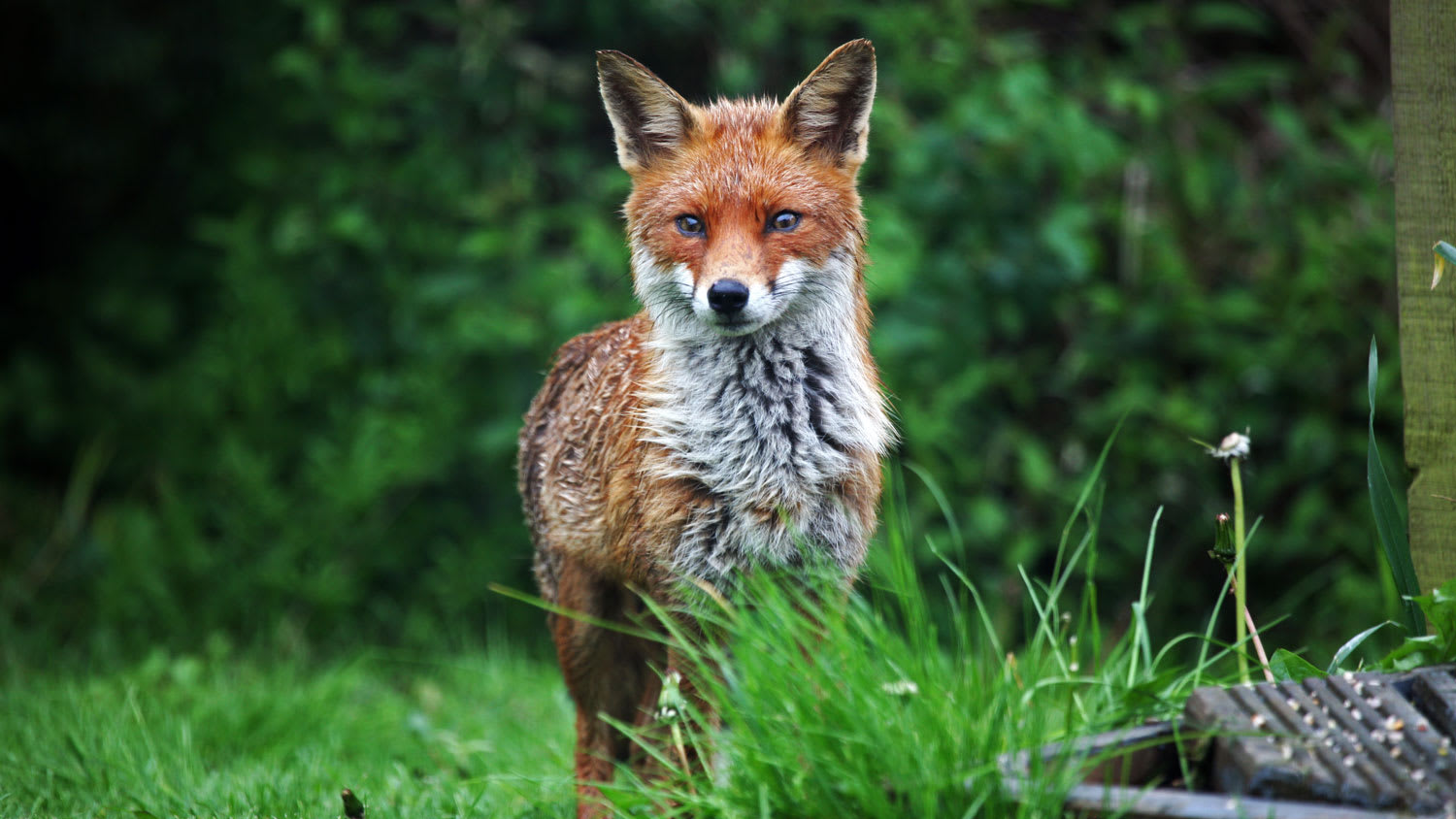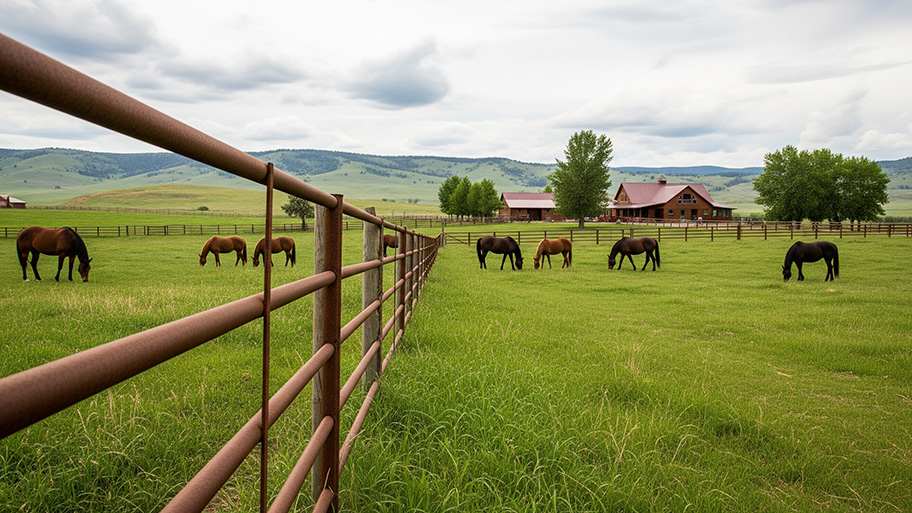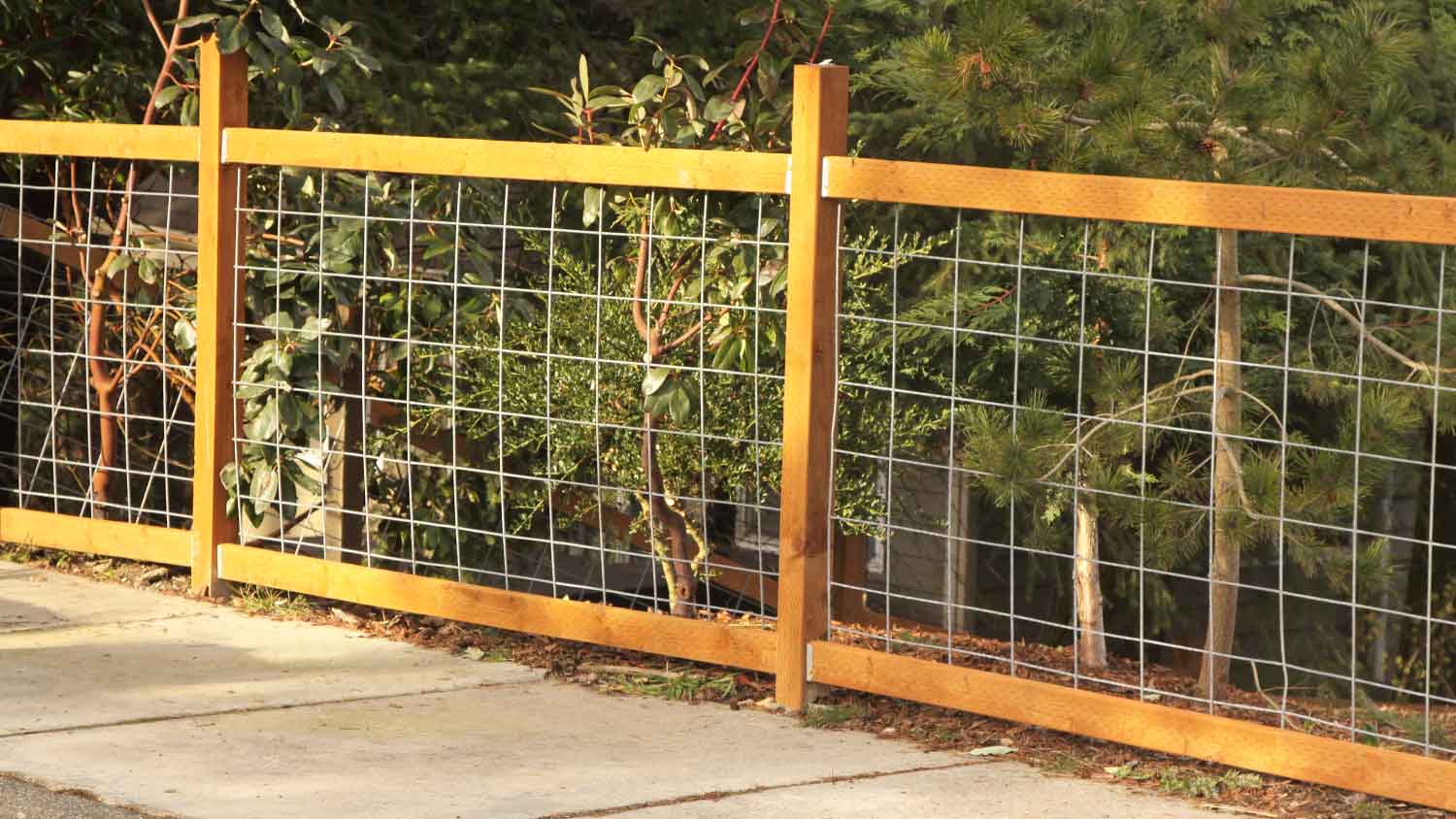



Top-rated animal fencing pros.

Best animal fencing pros near Cornell, WI

Enter your zip and get matched with up to 5 pros

Need a pro for your animal fencing service project in Cornell, WI?

Select your specific project to find the pro for you.

Top-Rated Animal fencing pros in Cornell - Updated Nov 2026

Animal Fencing FAQs, answered by experts

Signs of badgers in a yard or garden include large burrow holes 2 to 9 feet deep and 1 to 2 feet wide in your lawn or garden or under your fence. Badgers may even break through fences in some cases. Partially eaten fruits, vegetables, and animal carcasses can also be a sign. Look for bits of fur, bones, spines, and skulls.

Some animals, such as bats or birds, will be able to get out of chimneys on their own since they can fly. Other animals, however, may have a harder time and will require the help of a professional to escape. Squirrels and raccoons in particular may become stuck inside a chimney, especially if you have a buildup of soot or creosote inside. This can prevent them from being able to climb out, in which case you’ll need to call an animal control expert to help remove them.

According to the Internet Center for Wildlife Damage Management, no frightening devices are proven effective for squirrel control. This is likely because the squirrels quickly become habituated to the noises. However, strobe lights show some promise, so motion-activated lighting could be an option worth considering as part of your integrated pest management strategy.

Squirrels hate not having access to secure shelter or food sources. Your best line of defense is to make your property less attractive by removing access to these things. There are chemical squirrel repellents, but these have mixed success. According to Pennsylvania State University, you can apply products containing the bittering agent denatonium saccharide to a squirrel's favorite fence, tree, or roof spots. However, you need to reapply repellents regularly, which aren’t scientifically proven effective.

Squirrels have a strong sense of smell and can be deterred by various scents they dislike. Effective options include peppermint oil, rosemary, garlic, cinnamon, white vinegar, coffee grounds, and predator urine. Squirrels also have a strong aversion to capsaicin, the compound that makes chili peppers hot, making capsaicin-based repellents a good choice for protecting specific areas like gardens or bird feeders. For a DIY solution, you can create a garlic and vinegar spray and apply it daily. Additionally, placing strong-smelling items like certain soaps or dryer sheets near where squirrels frequent can also be effective.

The Cornell, WI homeowners’ guide to animal fencing services

From average costs to expert advice, get all the answers you need to get your job done.