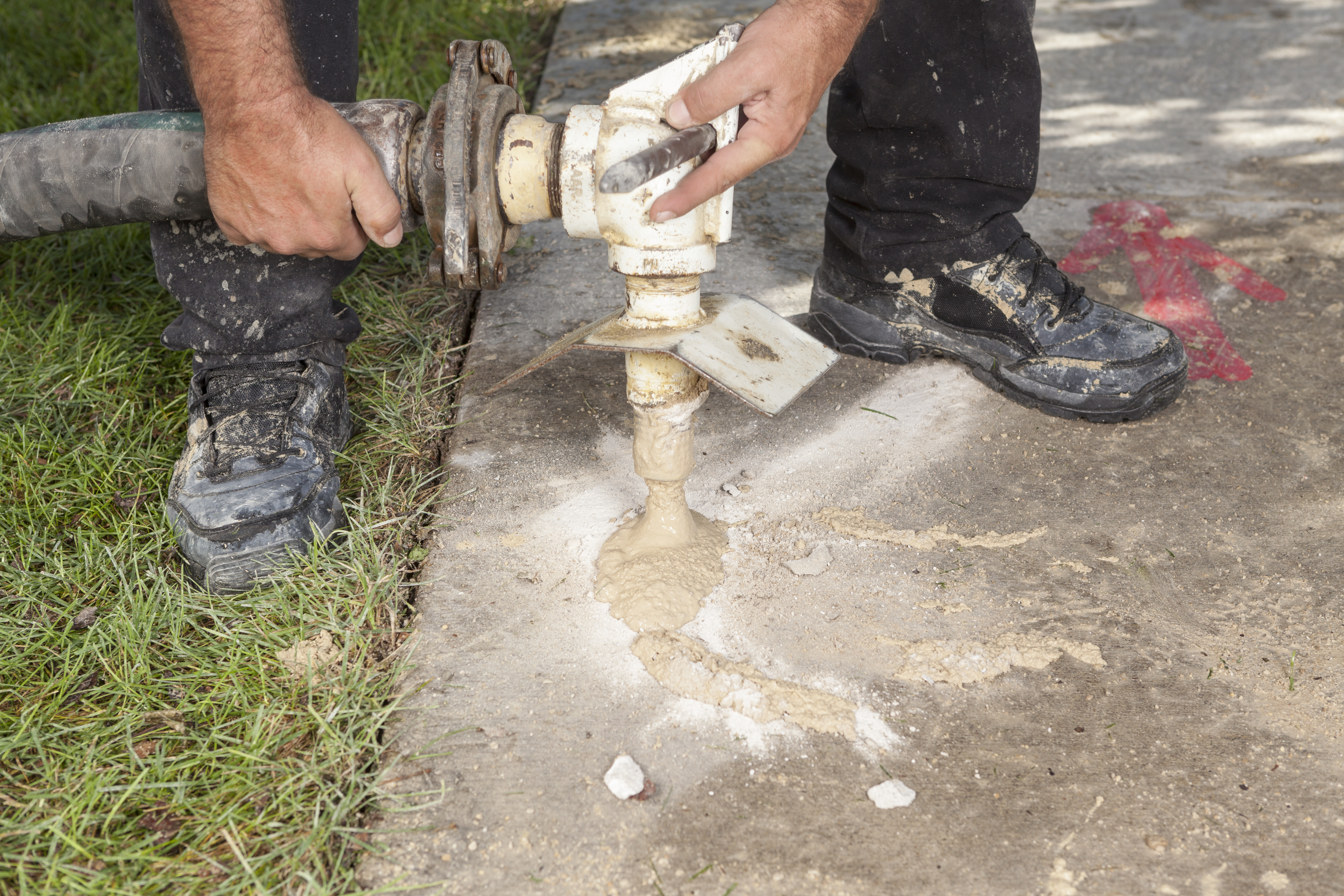
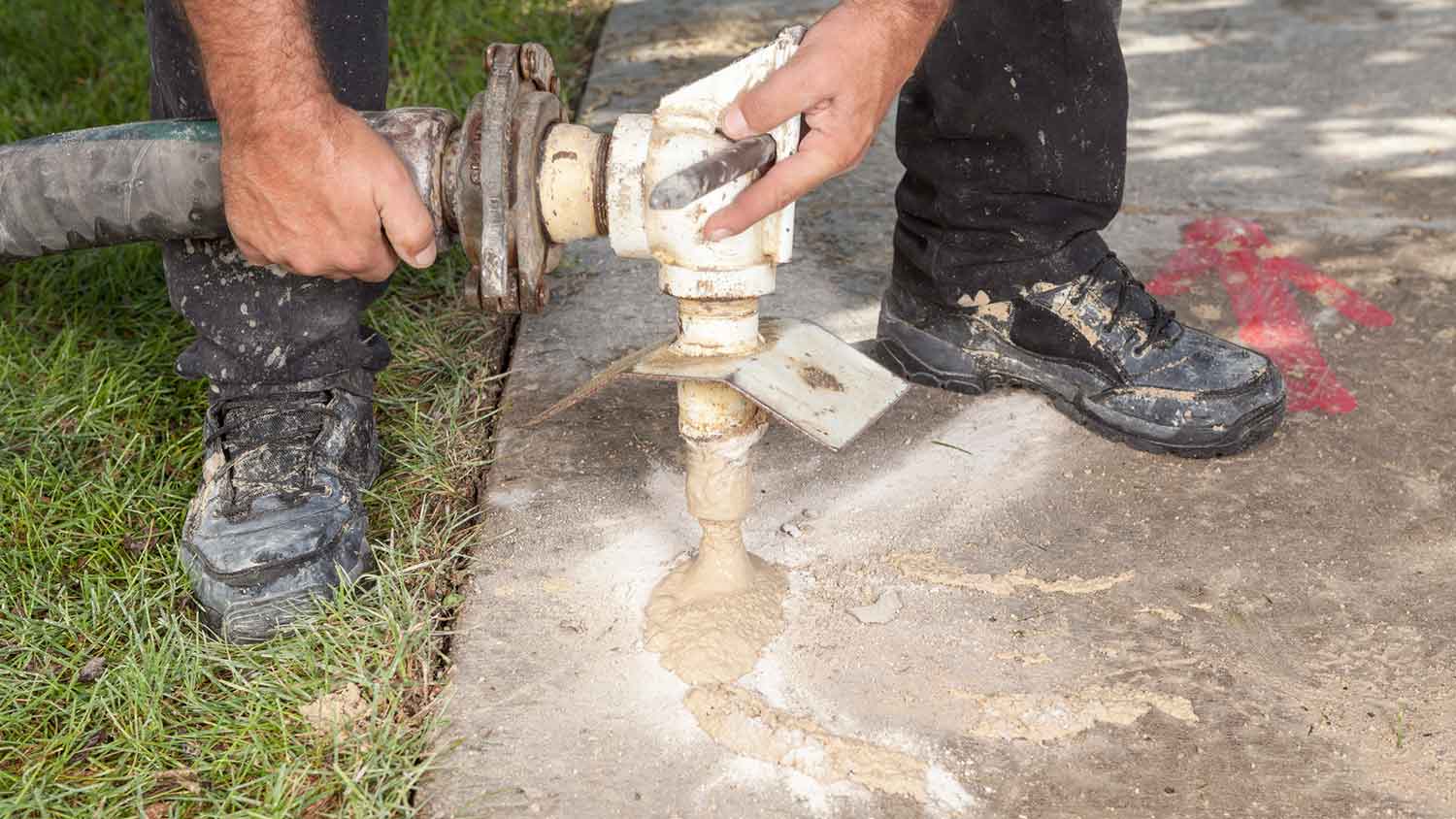
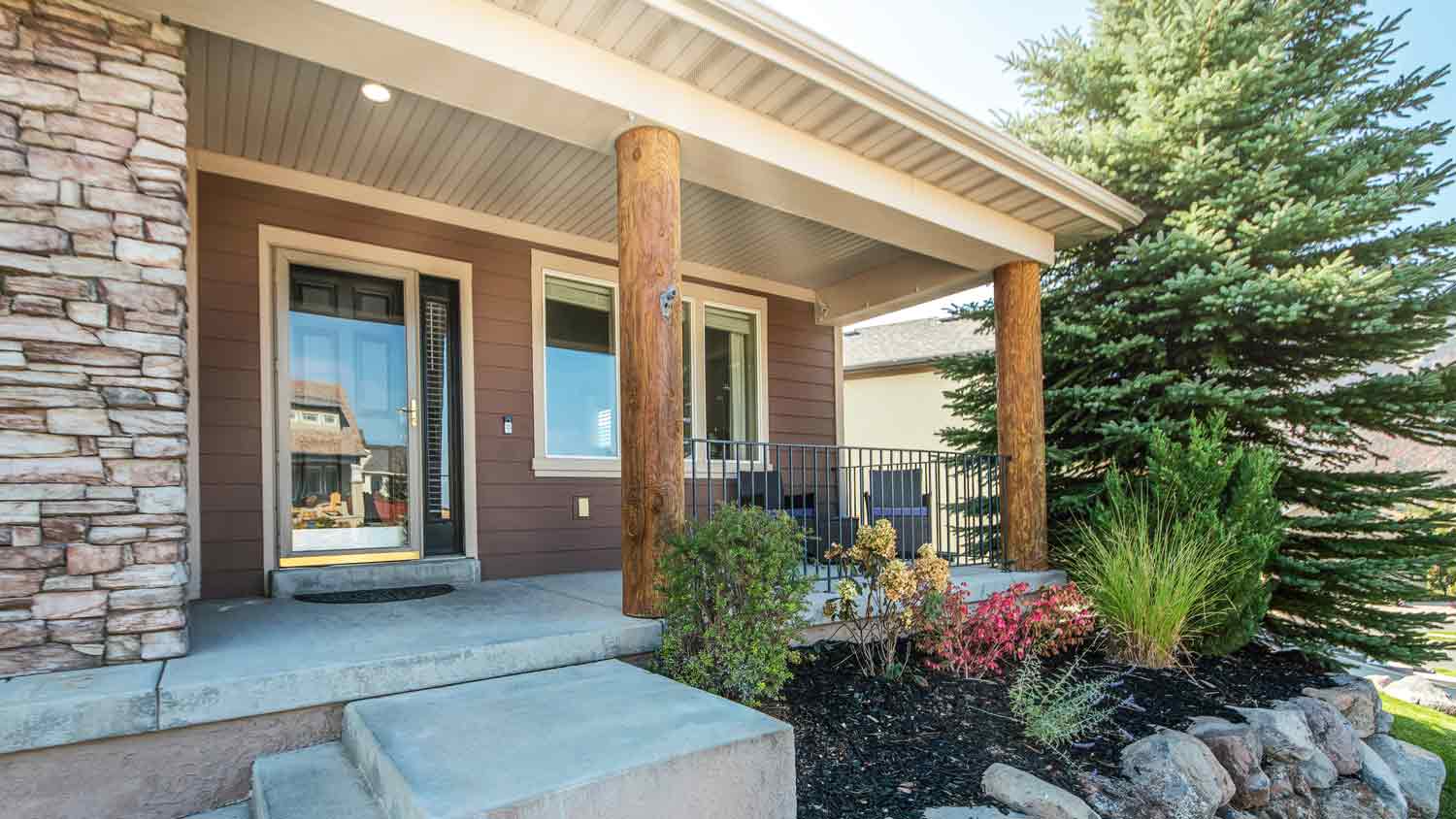
"Used American Waterworks to lift and level a front sidewalk that had settled over time. Company was very responsive as I worked through the planning and quoting process, and the price was better than 2 other companies. Appointment window was communicated in advance and they showed up right on time, did a quick and thorough job, and left the work site clean after. Recommend!"
"We had our concrete floors raised as they have settled over the years. Joey and Derrick were the team that did the raising. Fantastic professionals and excellent workmanship. They not only answered our questions but explained why and how the foam worked. I was a home builder for 10 years and can recognize good workman. These two were outstanding. If you need foundation work or concrete floors lifted, give Innovative a call. DON'T SETTLE FOR ANYTHING LESS."
I’m a very dedicated person and take pride in my work, I’m very focused on msking my customers satisfied, and always finish the job with a happy customer,
T.A.P Concrete Masonary is committed to excellence in every aspect of our business. We uphold a standard of integrity bound by fairness, honesty, and personal responsibility. Our distinction is the quality of service we bring to our customers. Accurate knowledge of our trade combined with ability is what makes us true professionals. Above all, we are watchful of our customers' interests, and make their concerns the basis of our business.
A good slump height really depends on the project, but there is a use for nearly all slump levels. For example, low slumps are best in projects that require structure, such as curbs and roads. High slumps often require additional reinforcement, but they flow more freely into hard-to-reach spaces.
Many contractors offer warranties for their work. Confirm terms before starting the project.
Trenching and boring are two distinct methods for installing underground utilities. Trenching involves digging a channel using equipment like an excavator, trencher, backhoe, or shovel. While it is a simpler process, it causes significant disruption to the surface, landscaping, and surrounding ecosystems.
Boring, also known as directional boring, is a less invasive alternative that uses a drill to create a tunnel for utility lines without disturbing the surface. This method is more precise and is ideal for installations that need to go underneath buildings, roads, or bodies of water. Although boring is less disruptive, it is generally more expensive than trenching.
Most states and municipalities don’t require concrete mudjacking companies to carry a specific license, but they usually need to have a general contractor’s license, and they should be fully insured. The only exception is if the mudjacking company provides foundation repairs as well, or if it offers mudjacking for home foundations. In that case, they will typically need a foundation repair contractor’s license. You can check state requirements and then use Angi’s license lookup tool to confirm that a company is properly licensed to provide mudjacking services in your area.
The average cost for mudjacking is around $1,200, though prices can range from $300 to $3,400. On a per-square-foot basis, you can expect to pay between $3 and $8, with an average of about $5 per square foot. The final cost depends on several factors, including the square footage of the concrete, the type of slab, its accessibility, whether it is load-bearing, and the type of material used to lift it. Generally, lifting a driveway, small patio, or sidewalk is less expensive than lifting a slab foundation or garage floor.
The Cornell, WI homeowners’ guide to concrete leveling services
From average costs to expert advice, get all the answers you need to get your job done.
Polished concrete floor costs depend on the size of the area you’re targeting and the style of concrete floor. Our guide breaks down all the cost factors.
Learn about concrete leveling and how it can fix uneven surfaces, from sunken sidewalks to uneven driveways, and boost your home’s safety and curb appeal.