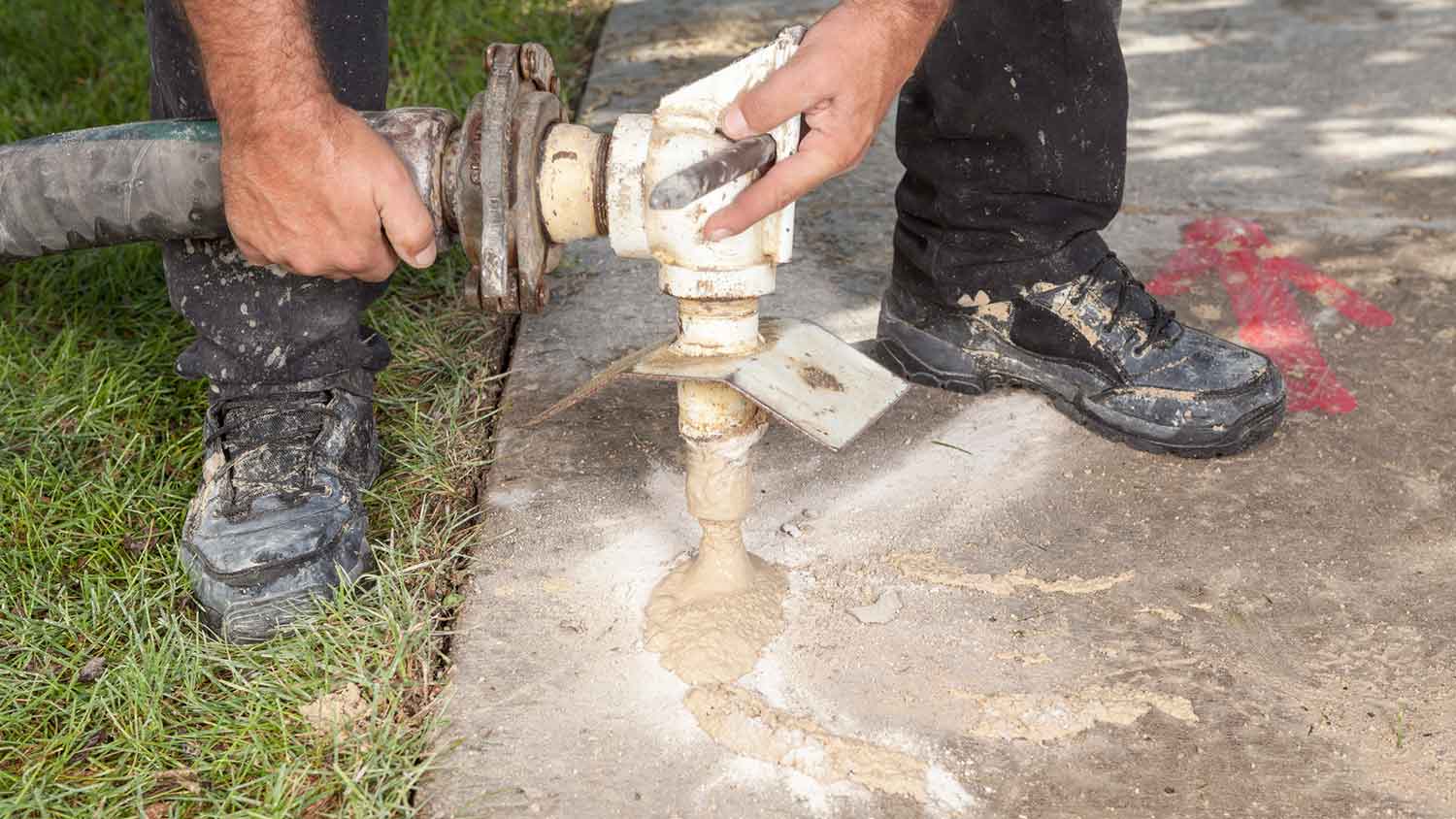
"This is 2nd project I had American waterworks help me with. First was basement wall stabilizing, this one sidewalk leveling. Both crews were well knowledgeable, kind, explained procedures. Very happy with this company!"
"We had our concrete floors raised as they have settled over the years. Joey and Derrick were the team that did the raising. Fantastic professionals and excellent workmanship. They not only answered our questions but explained why and how the foam worked. I was a home builder for 10 years and can recognize good workman. These two were outstanding. If you need foundation work or concrete floors lifted, give Innovative a call. DON'T SETTLE FOR ANYTHING LESS."
I’m a very dedicated person and take pride in my work, I’m very focused on msking my customers satisfied, and always finish the job with a happy customer,
T.A.P Concrete Masonary is committed to excellence in every aspect of our business. We uphold a standard of integrity bound by fairness, honesty, and personal responsibility. Our distinction is the quality of service we bring to our customers. Accurate knowledge of our trade combined with ability is what makes us true professionals. Above all, we are watchful of our customers' interests, and make their concerns the basis of our business.
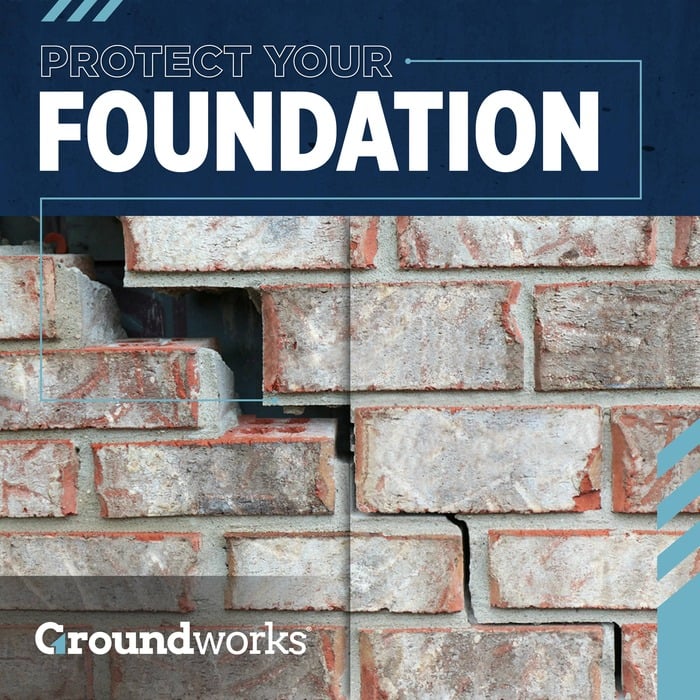
Most houses are expected to settle over time, but foundation sinking of more than a few inches or uneven sinking of more than an inch for every 20 feet is cause for concern. Any significant or uneven sinking should be assessed by a professional to determine the cause and perform any necessary repairs.
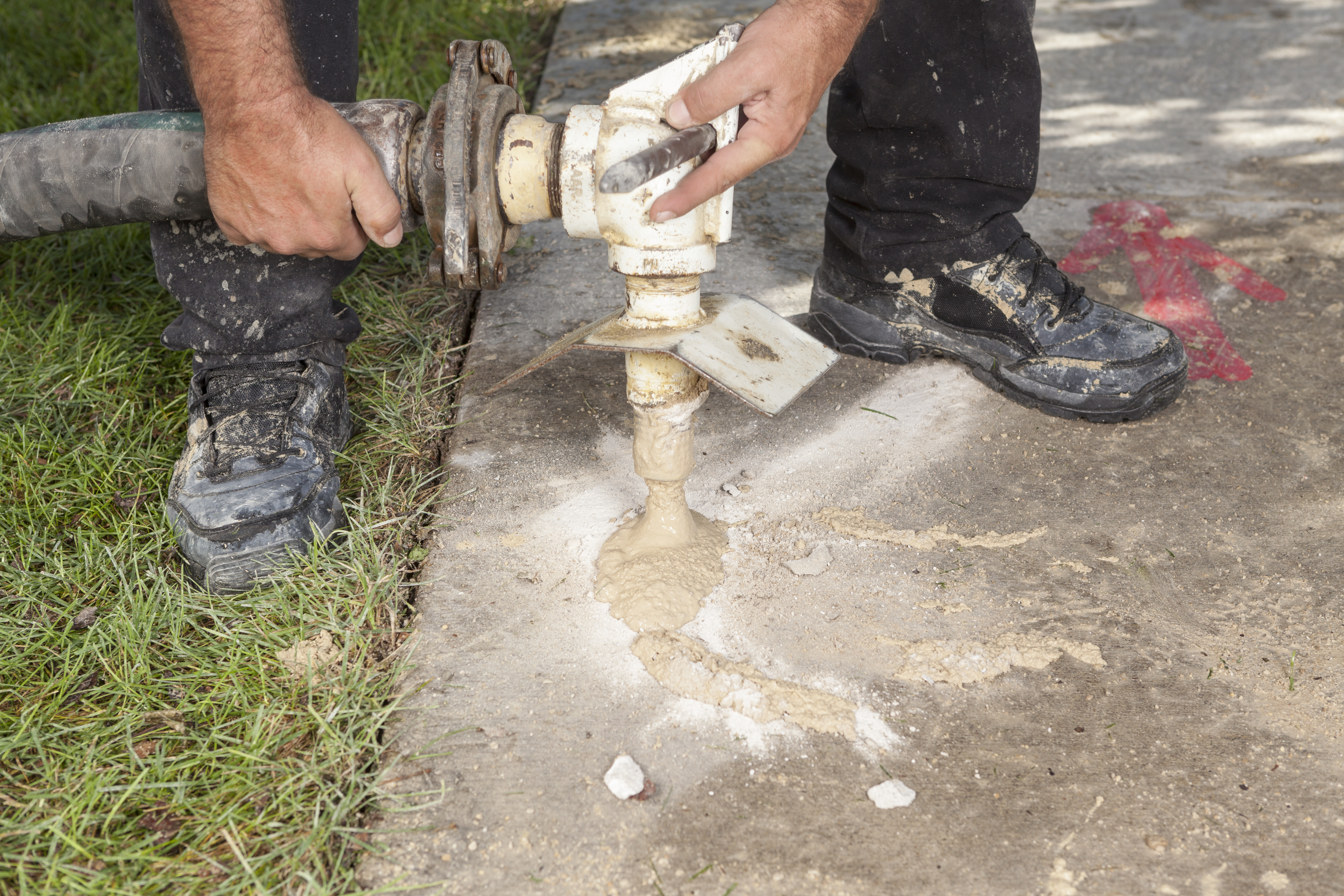
It restores concrete, prevents replacement cost disruptions, reduces trip hazards, and provides stability at a lower cost.
Most projects take 1-3 hours, with immediate usability after completion.
On average, a mudjacking repair lasts between five and 10 years, though it can sometimes last for well beyond a decade under ideal conditions. Its longevity depends heavily on several factors, including the condition of the underlying soil, environmental conditions like freeze/thaw cycles and erosion, and whether the root cause of the sinking, such as drainage issues, is resolved. Because it doesn't always fix the underlying problem of loose soil, mudjacking is often considered a temporary solution. Proper maintenance and evaluation can help extend its lifespan.
There is no real alternative to underpinning, although mudjacking and polyjacking are other repair methods that can add support from underneath your foundation. Rather than placing supportive piers under your structure, these involve pumping a material under your slab to lift a sunken section back into its original position. Polyjacking, in particular, is sometimes a suitable solution for stabilization issues under slab foundations, but underpinning is often accepted as the best and most permanent solution.
The Cadott, WI homeowners’ guide to concrete leveling services
From average costs to expert advice, get all the answers you need to get your job done.
Learn about concrete leveling and how it can fix uneven surfaces, from sunken sidewalks to uneven driveways, and boost your home’s safety and curb appeal.