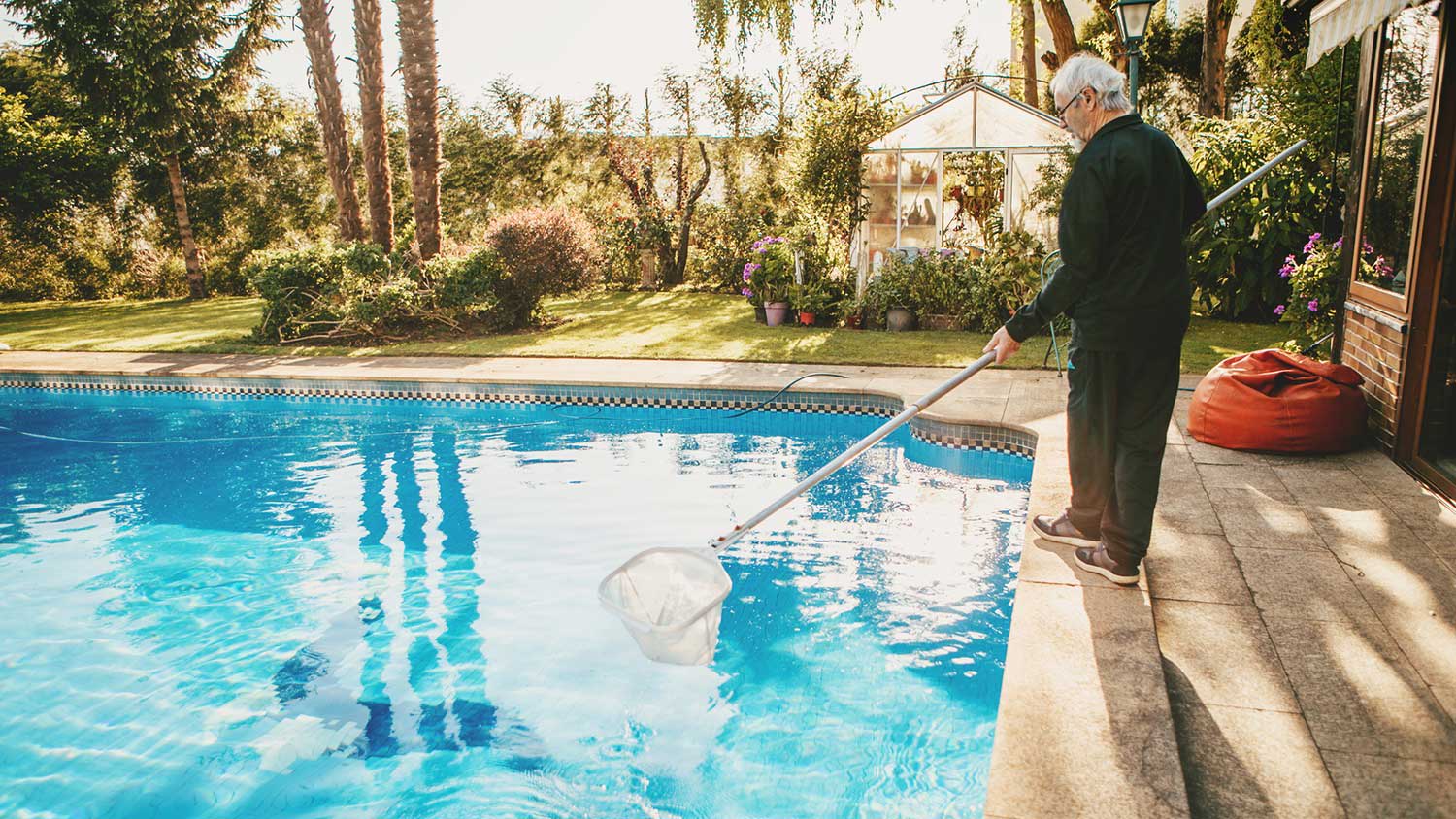










Top-rated pool and spa technicians.

Get matched with top pool and spa technicians in Cable, WI

Enter your zip and get matched with up to 5 pros

Need a pro for your pool and spa servicing project in Cable, WI?

Select your specific project to find the pro for you.

Find Pool and spa technicians in Cable

Avatar for American Home Shield – Home Warranty
American Home Shield – Home Warranty
3.5(
5,688
)

Serving Cable, WI and surrounding areas

In business since 1971

Credit card accepted

"Well, the first time the replacement was ordered it was the wrong one, which of course, delayed the installation a week. When it was finally installed I had to pay an additional $850 for code upgrades. This I was not informed of by Home Shield. Then we noticed that there was water on the garage floor and found that the pipe coming in from the wall was leaking at the wall so had to call the plumbing company back out to fix it. They first tried to say it was not their fault but since there wasn't a leak before they installed they did fix it. I have used Home Shield a few times before and never had a problem. Some of the companies they use are not the best so you have to research them before you commit. I have found HS service to be good if you do your homework. At the end of the day I was without hot water for almost 3 weeks but it was do to the plumbing company they sent out."

Additional Photos
Additional Photos
Additional Photos
Additional Photos
Additional Photos

+2

Recommended by65%of homeowners
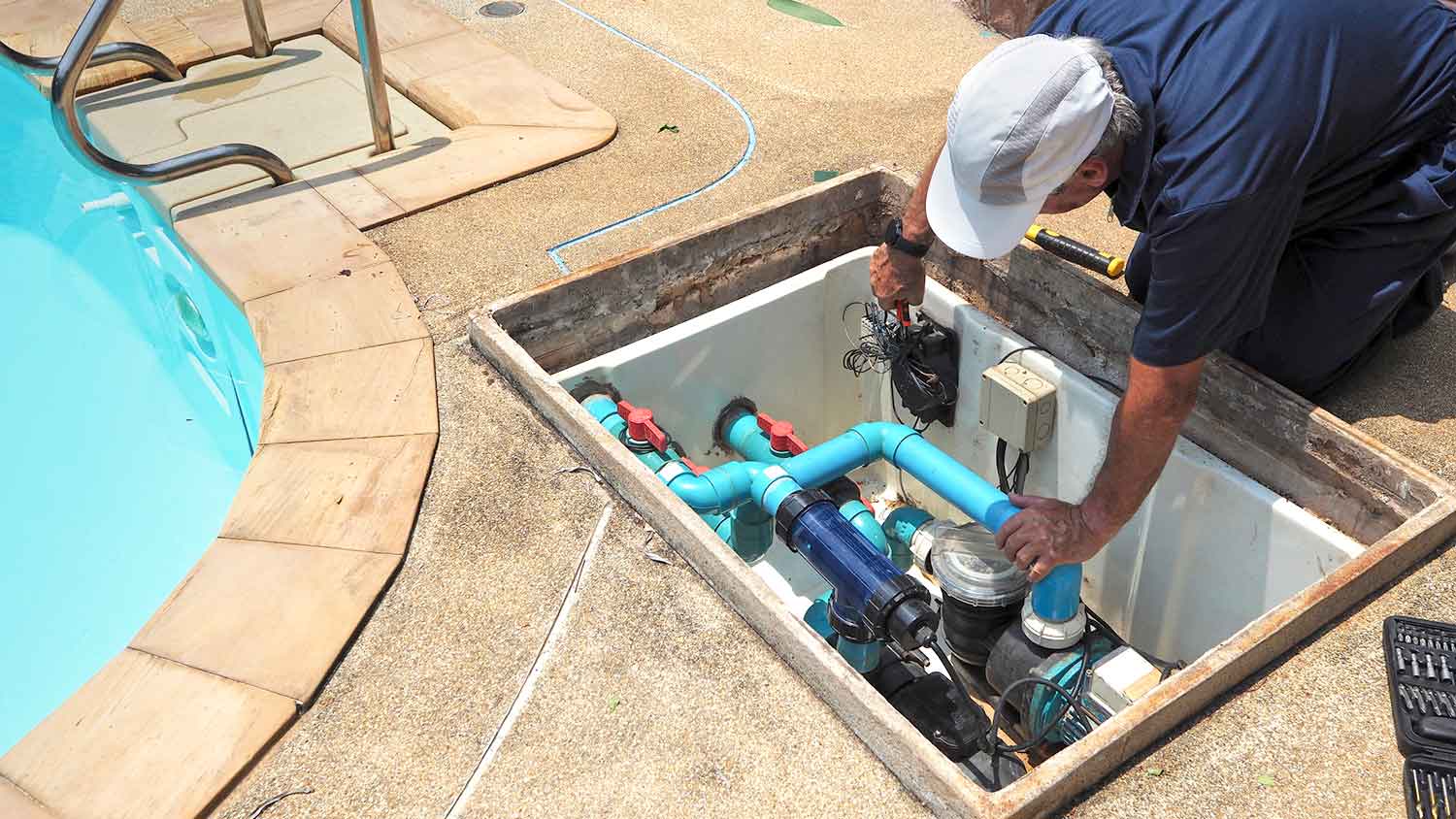
Pool and Spa Servicing questions, answered by experts

Yes, hot tubs can use a significant amount of electricity, primarily to keep the water heated. A typical hot tub uses between 1,500 and 6,000 watts, and the pump can add another 1,500 watts. This usage can result in a monthly cost of around $20 to $30. The exact amount of electricity consumed depends on several factors, including the hot tub's age, size, heater voltage (120V vs. 240V), usage habits, and thermostat setting. Newer, energy-efficient models generally use less power than older ones. To reduce electricity costs, consider investing in an energy-efficient model, using a quality insulated cover with a thermal blanket, and keeping the filters clean.

Many people find saltwater tubs worth the upfront expense. They cost less to maintain than traditional hot tubs, so you can save in the long term. Maintenance is also easier, typically involving balancing the pH and cleaning the tub rather than adding chemicals. They’re also gentler on sensitive skin, and you won’t walk away with a strong chlorine odor.

Shocking your hot tub means adding extra chemicals to the water. Most spa experts recommend doing this once a week for proper hot tub maintenance, but you can do it more if needed. Shocking has multiple benefits, including preventing the water from becoming murky and it’s essential in removing harmful bacteria from the water.

Hot tub repairs cost between $200 and $500 on average. You can minimize those costs by maintaining your hot tub and keeping necessary supplies on hand. An elevated shelf in the garage is a great place to store your water care chemicals so that kids and pets will stay safe and you’ll always have them around. 

Your hot tub should be drained of existing water, cleaned, and refilled every three to four months at a minimum. Follow your tub manufacturer’s recommendations for cleaning, and rinse thoroughly when finished to eliminate any residue from the cleaning products. This is also a good time to inspect your tub’s cover in good lighting for any leaks, tears, or other damage that might cause problems. 

Using your hot tub manufacturer’s suggested cleaners and methods, keep your hot tub filters clean to avoid a loss of water heat. This will help extend the filter’s useful life and efficiency. If the filter is more than two to three years old, replace it with a new one and buy a second filter to keep around as a spare.

A hot tub cover's lifespan is typically between three and seven years, with an average of five to seven years for a well-maintained one. The quality of the cover is a major factor; lower-quality polyester or vinyl soft covers can tear easily with regular use.

To extend the life of your cover, proper maintenance is key. This includes:

  • Keeping the cover clean, dry, and out of the sun. Use a soft cloth and mild dish soap for cleaning.

  • Applying a vinyl protectant spray.

  • Cleaning the underside with a chlorine spray.

  • Using a cover lift to prevent damage from rough handling.

  • Protecting it from harsh weather.

  • Keeping children and pets off the cover.

Investing in a high-quality cover and checking for a warranty at the time of purchase can also contribute to its longevity.

The Cable, WI homeowners’ guide to pool and spa services

From average costs to expert advice, get all the answers you need to get your job done.