







Top-rated radon detection and reduction specialists.

Get matched with top radon detection and reduction specialists in Ashippun, WI

Enter your zip and get matched with up to 5 pros

Need a pro for your radon detection and reduction project in Ashippun, WI?

Select your specific project to find the pro for you.

Find Radon detection and reduction specialists in Ashippun

Avatar for Lifetime Home Services
Lifetime Home Services
4.7(
135
)
Radon Gas - AbatementRadon Gas - Testing

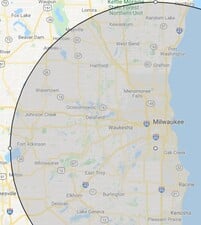
Serving Ashippun, WI and surrounding areas

In business since 1993

Free estimates

Warranties offered

"Lifetime Radon Solutions did an excellent and thorough job installing our Radon Exhaust System and new submersible sump pump per code. The *before* and *after* radon test results were amazing. We no longer have a radon issue. We have recommended them to our friends. The crew was on time, efficient and cleaned up afterward. Great work!"
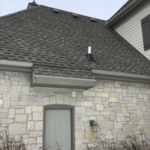
Radon Mitigation
Radon Mitigation
Radon Mitigation
Milwaukee Garage Install
Response time11 hrs
Response rate93%
Recommended by94%of homeowners
Radon Detection and Reduction questions, answered by experts

Keeping radon from getting into your home is much better than having to get rid of it once it's already indoors. While there may not be a way to fully prevent radon from getting into your home, there are things you can do to reduce the gas's ability to enter. 

Sealing foundation cracks and openings can help keep the gas from seeping inside. Improving air flow, such as by opening windows, can also be helpful. If you're building your home from scratch, talk to your contractor about using radon-resistant construction to keep the gas out.

The average radon mitigation system uses about 876 kWh of electricity per year, although the exact amount of electricity used will vary depending on the size of the radon fan. Once the system is installed, the annual increase to your energy bill could range from $30 to $300 per year, again depending on the size of the fan.

The lifespan of a radon mitigation system depends on the type of system and its maintenance. With proper care, a system can last for many decades. Passive systems tend to last longer as they have fewer components that require replacement. Active systems, which have more moving parts like fans, generally have a shorter lifespan. For instance, water filtration devices and active pressurization systems require more frequent maintenance. While the system as a whole is durable, the radon fan in an active system typically has a lifespan of 5 to 10 years and will need to be replaced. As long as the fan is working, the mitigation system should function correctly.

The cost to replace a radon fan ranges from $300 to $600 for the fan itself, with installation adding an additional $200 to $500. Overall, the total cost for replacement can range from $500 to $1,100, depending on factors such as the fan model, home size, and local labor rates. If the fan is part of a larger radon mitigation system, the price may be higher.

The fan that pulls the radon out of the air needs to run continuously, so you may see an increase in your electric bill once you install the mitigation system. Additionally, you may see an increase in your heating or cooling bills, as the fan can cause some loss of hot or cool air.

The Ashippun, WI homeowners’ guide to radon detection and reduction services

From average costs to expert advice, get all the answers you need to get your job done.