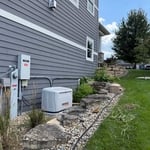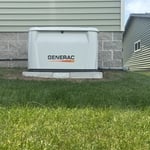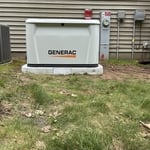



Top-rated generator install pros.

Get matched with top generator install pros in Amery, WI

Enter your zip and get matched with up to 5 pros

Need a pro for your generator install project in Amery, WI?

Select your specific project to find the pro for you.

Find Generator install pros in Amery

Tek Electric
2.3(
3
)
Fixed Generator - InstallFixed Generator - RepairGenerator - Install+4 more

Serving Amery, WI and surrounding areas

In business since 2002

Free estimates

Emergency services offered

"First, they were recommended to us for the whole house generator by home depot.  We were so happy with the generator that we had him do a bathroom fan at my house and a bathroom fan at my son's house.  I did some checking and that was a reasonable price.  With the work he did, it was more than reasonable.  The job was a little more involved than he thought it would be and he didn't have any problem with any of it.  Without anything to judge the pricing from, other than online and a couple of guys I had come over who weren't on the same page as me, I'd say excellent.  The quality was top of the line.  As soon as he got the generator, he got over here to put it in. As a matter of fact, I am thinking about calling him again for something."
Recommended by50%of homeowners
Avatar for WisPro Electric
WisPro Electric
5.0(
2
)
Fixed Generator - InstallFixed Generator - RepairGenerator - Repair - For Business+1 more

Serving Amery, WI and surrounding areas

In business since 2023

Free estimates

Emergency services offered

"Ryan was super responsive, professional, friendly and reasonably priced! He made excellent recommendations when I was uncertain of which type of product to use. I would recommend him in a heartbeat, and he will be my first call for any future electrical work I need done. Thank you, Ryan!"
Studio Lighting
Generator Inlet
Minisplit wiring
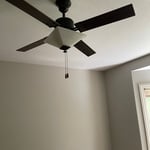
Ceiling fan
Response time2 days
Response rate100%
Generator Install questions, answered by experts

You can expect a diesel generator to last for up to 30,000 hours of use, which works out to 20 to 25 years with the proper maintenance, of course. That depends on how much you use it, so a diesel generator used for emergencies a couple of times a year will last a lot longer than a generator that takes over for a faulty electrical grid every month for a day or two. 

If you’re wondering whether gas generators produce carbon monoxide, know that natural gas generators do not produce carbon monoxide if they are functioning properly, as natural gas burns cleanly. However, if the generator malfunctions and the gas does not burn completely, there is potential for carbon dioxide to be produced. To prevent malfunctions, it's crucial to perform regular maintenance, including running the generator weekly and scheduling professional inspections every 6 to 12 months. Also, be sure to test your carbon monoxide detectors regularly to ensure they function in the rare case of the generator producing carbon monoxide.

It might seem counterintuitive, but installing a generator transfer switch will save you money in the long run. While you’ll have to pay between $400 and $2,500 to have the transfer switch installed, you’ll recoup that amount later on when you don’t have to pay for expensive repairs to your appliances, devices, and electrical system that may have burned out, overloaded, or stopped working due to a sudden loss of power or an incorrect hook up of a generator to your home

Yes, installing a generator usually increases your property value because buyers are getting the added peace of mind knowing they’ll be able to maintain power through blackouts. In most cases, you should see close to a 100% return on investment (ROI). Keep in mind that home generators usually need a permanent foundation, and installing a concrete slab will likely raise your property taxes slightly.

To determine the right size generator for your house, you should calculate the total wattage of the appliances and devices you want to power during an outage. List all essential items, note their start-up wattages, and add them together.

Here are some typical wattage requirements for common appliances:

  • Refrigerator: 600 watts

  • Large dehumidifier: 700 watts

  • Large window air conditioner: 1,400 watts

  • Water heater: 3,000 to 4,500 watts

  • Electric furnace: 5,000 to 25,000 watts

A 7,500-watt generator might be sufficient for essentials like a refrigerator, freezer, well pump, and lighting circuits. However, for high-demand items like a water heater or furnace, a whole-home generator is a better choice. A portable generator may be enough if you only need to power a few critical items.

While home square footage can offer a rough estimate, it is not always a reliable indicator. For reference, here are some typical generator sizes based on square footage:

  • 1,000 sq ft: 6–9 kW

  • 1,500 sq ft: 7–10 kW

  • 2,000 sq ft: 10–14 kW

  • 2,500 sq ft: 12–16 kW

  • 3,000 sq ft: 16–20 kW+

For the most accurate sizing, consult a professional who can calculate your home's peak and average power consumption and recommend the optimal generator.

The Amery, WI homeowners’ guide to generator installs

From average costs to expert advice, get all the answers you need to get your job done.