Top-rated generator install pros.

Best generator install pros near Somerset, WI

Enter your zip and get matched with up to 5 pros

Need a pro for your generator install project in Somerset, WI?

Select your specific project to find the pro for you.

Top-Rated Generator install pros in Somerset - Updated Nov 2026

Avatar for Aquarius Home Services
Aquarius Home Services
4.6(
260
)
Fixed Generator - InstallFixed Generator - RepairGenerator - Install+4 more

Serving Somerset, WI and surrounding areas

Approved

Super Service Award Winner

In business since 1987

Free estimates

Emergency services offered

"We are very satisfied with the minisplit system installation. The equipment works great. The installation team did a fantastic job explaining what they were going to do, getting it done and cleaning up before they left."
Additional Photos
Additional Photos
Additional Photos
Our Team
Response time12 hrs
Response rate100%
9 neighbors recently requested a quote
Avatar for WisPro Electric
WisPro Electric
5.0(
2
)
Fixed Generator - InstallFixed Generator - RepairGenerator - Repair - For Business+1 more

Serving Somerset, WI and surrounding areas

In business since 2023

Free estimates

Emergency services offered

"Ryan was super responsive, professional, friendly and reasonably priced! He made excellent recommendations when I was uncertain of which type of product to use. I would recommend him in a heartbeat, and he will be my first call for any future electrical work I need done. Thank you, Ryan!"
Studio Lighting
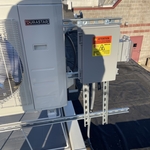
Generator Inlet
Minisplit wiring
Ceiling fan
Response time2 days
Response rate100%
Generator Install FAQs, answered by experts

To determine the right size generator for your house, you should calculate the total wattage of the appliances and devices you want to power during an outage. List all essential items, note their start-up wattages, and add them together.

Here are some typical wattage requirements for common appliances:

  • Refrigerator: 600 watts

  • Large dehumidifier: 700 watts

  • Large window air conditioner: 1,400 watts

  • Water heater: 3,000 to 4,500 watts

  • Electric furnace: 5,000 to 25,000 watts

A 7,500-watt generator might be sufficient for essentials like a refrigerator, freezer, well pump, and lighting circuits. However, for high-demand items like a water heater or furnace, a whole-home generator is a better choice. A portable generator may be enough if you only need to power a few critical items.

While home square footage can offer a rough estimate, it is not always a reliable indicator. For reference, here are some typical generator sizes based on square footage:

  • 1,000 sq ft: 6–9 kW

  • 1,500 sq ft: 7–10 kW

  • 2,000 sq ft: 10–14 kW

  • 2,500 sq ft: 12–16 kW

  • 3,000 sq ft: 16–20 kW+

For the most accurate sizing, consult a professional who can calculate your home's peak and average power consumption and recommend the optimal generator.

A home that is 2,500 square feet will likely need a 20kW to 25kW generator. Consult your local generator installer to confirm the generator size needed to power your home before purchasing a new one. Be sure to consider how much power your necessary devices need to run.

Generators are safe to use as long as they are installed and operated correctly according to the manufacturer's recommendations. The most critical safety tips are to never use a portable or fuel-powered generator inside an enclosed space due to the risk of lethal carbon monoxide poisoning; always operate it outdoors where fumes can dissipate away from your home. Additionally, never attempt to connect a generator to your home’s electrical panel yourself—hire a professional to ensure the setup meets safety standards. Finally, avoid overloading the generator by not connecting more appliances than it is rated for, as this can damage your equipment or cause a fire.

You can expect a diesel generator to last for up to 30,000 hours of use, which works out to 20 to 25 years with the proper maintenance, of course. That depends on how much you use it, so a diesel generator used for emergencies a couple of times a year will last a lot longer than a generator that takes over for a faulty electrical grid every month for a day or two. 

Most homeowners won't be able to claim a home generator as a tax write-off. However, a whole-house generator may be tax-deductible in certain situations depending on its purpose. For instance, if it's needed to power essential medical equipment, it may qualify as a medical expense deduction. Also, in some cases, businesses can deduct a generator as a business expense if it supports operations. Always consult a tax professional to determine eligibility based on your specific circumstances and the applicable IRS regulations.

The Somerset, WI homeowners’ guide to generator installs

From average costs to expert advice, get all the answers you need to get your job done.