




Top-rated ceramic tile pros.

Get matched with top ceramic tile pros in Almond, WI

Enter your zip and get matched with up to 5 pros

Need a pro for your ceramic tile service project in Almond, WI?

Select your specific project to find the pro for you.

Find Ceramic tile pros in Almond

Avatar for Miracle Method
Miracle Method
4.8(
62
)

Serving Almond, WI and surrounding areas

In business since 1999

Free estimates

Credit card accepted

"We had the tile resurfaced in a large walk-in shower and neighboring spa tub surround. Did two different colors and the job took 4 days. The 1 and 4th days were partial days, Jeremy the technician did an excellent job...was on time and considerate. We are very happy with the work that was done and the finished product."
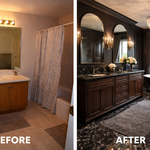
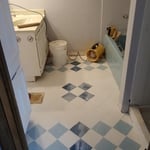
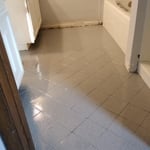
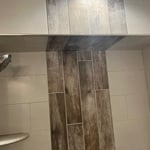
Bathroom Floor Tile Before
Overview
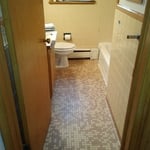
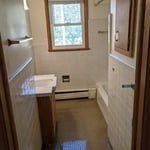
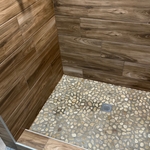
Bathroom Floor Tile After
Overview
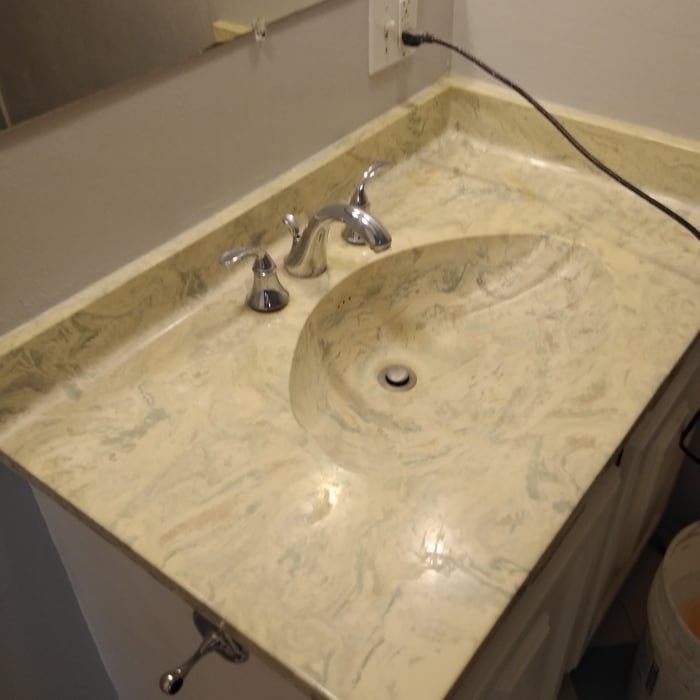
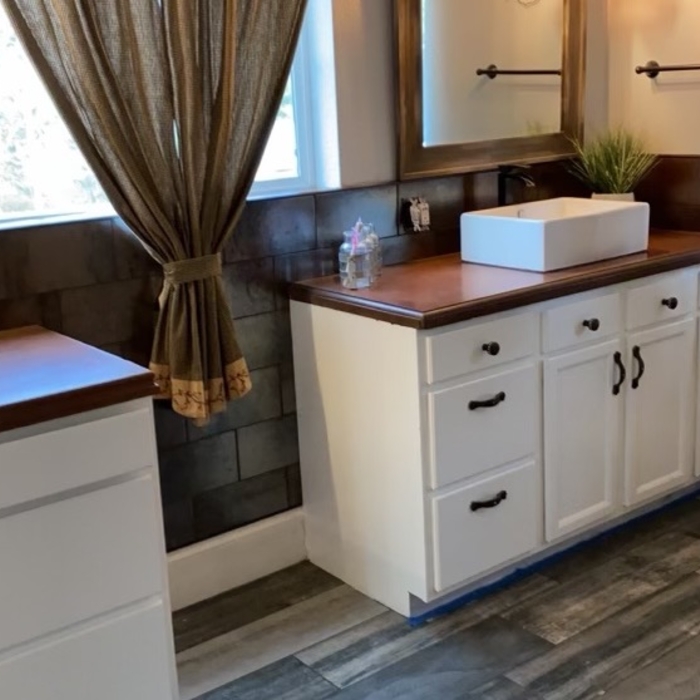
Vanity Before

+50

Recommended by92%of homeowners

Avatar for C & S Flooring Installation
C & S Flooring Installation
4.6(
10
)

Serving Almond, WI and surrounding areas

In business since 1994

Free estimates

Emergency services offered

"Chad did an awesome job. He was on time and provided professional service that was centered around true customer service. He takes pride in his work and I would highly recomend him to others. He stuck to his estimate and even cleaned up and vaccumed when finished, wow."
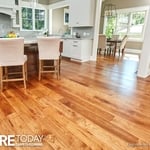
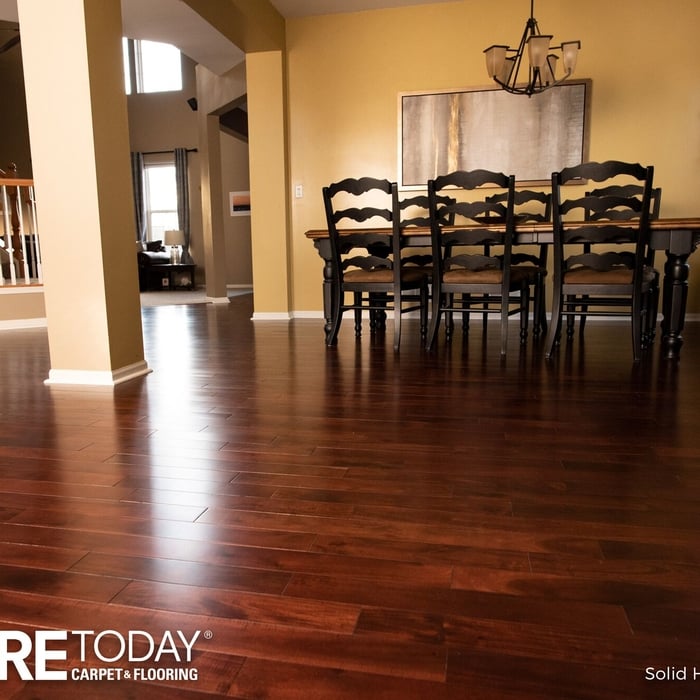
 Hardwood
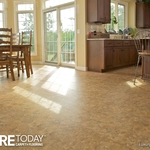
 Carpet and Hardwood
 Outdoor Carpet
Recommended by90%of homeowners
Showing 1-10 of 29
Ceramic Tile questions, answered by experts

The average cost for tile installation is about $2,000, with a typical price range between $500 and $6,500. On a per-square-foot basis, you can expect to pay between $5 and $45 for installation.

Several factors influence the total cost, including:

  • Installation Site: Costs vary for different areas. Common project costs are: kitchen floor ($870–$6,100), countertop or backsplash ($500–$3,000), bathroom floor ($300–$2,400), or shower wall ($225–$2,000).

  • Tile Type and Quality: The material significantly impacts price. For example, standard ceramic or travertine tile can cost about $1 per square foot, while luxury options like marble can be as much as $350 per square foot for the material alone.

  • Project Size and Complexity: The total square footage, the complexity of the pattern, and the shape of the tile (e.g., square, rectangle, hexagon, mosaic) will affect labor and material costs.

  • Site Preparation: The amount of prep work needed, such as removing old tile or installing a new subfloor or backer board, can add to the final price.

  • Tile Characteristics: The tile's durability rating and porosity can also influence the price.

  • Location: Labor rates vary by geographic location.

The number of shower niches you need (or want) depends on the size of the shower and how many bathroom products you plan on storing. If you keep it simple with just soap and shampoo, the one shower niche will probably do the trick. But if you’re adding scrubs and soaks, you may need to think about installing two or more.

On average, tiling a shower costs between $1,800 and $5,000, with most people paying around $2,700. The price of this project depends on multiple factors, including the kind of tile you choose, the size of your shower, and labor rates in your area. If you decide to tile your own shower (instead of hiring a professional), it’ll likely cost $800 to $1,400.

Porcelain is a relatively affordable, mid-range countertop material. It typically costs between $50 to $70 per square foot.

Compared to quartz, porcelain is slightly more affordable, as quartz generally ranges from $50 to $200 per square foot. However, lower-quality, builder's grade quartz can be similar in price to porcelain.

Compared to granite, the price can be similar, depending on the quality of the stone. While granite slabs can range from $50 to $200 per square foot, you can find lower-end granite in the same price range as porcelain. High-end granites will cost significantly more.

Porcelain is generally more expensive than laminate, acrylic, and ceramic, but less expensive than high-end slate, concrete, and marble. A key benefit is that porcelain does not require sealing, which reduces long-term maintenance costs.

Bathrooms are naturally moisture-rich environments, so choose a durable, water-resistant tile for your tub surround. Porcelain and ceramic are two popular options that are also quite affordable. Glass is another good option that’s also low-maintenance—you just need a glass cleaner like you would use on the bathroom mirror. Natural stone tile is porous, but it’s still a viable option if you choose it in a glazed version.

The Almond, WI homeowners’ guide to ceramic tile services

From average costs to expert advice, get all the answers you need to get your job done.