






R&J Solar LLC
Energy Audit - For BusinessHome Energy Audit
Serving Twisp, WA and surrounding areas
In business since 2022
Free estimates
Credit card accepted
"They are in the process of sending out an engineer"





+3
Recommended by100%of homeowners

*The Angi rating for Energy Efficiency Auditing companies in Twisp, WA is a rating based on verified reviews from our community of homeowners who have used these pros to meet their Energy Efficiency Auditing needs.
*The HomeAdvisor rating for Energy Efficiency Auditing companies in Twisp, WA is a rating based on verified reviews from our community of homeowners who have used these pros to meet their Energy Efficiency Auditing needs.
Last update on November 14, 2025
Serving Twisp, WA and surrounding areas
In business since 2022
Free estimates
Credit card accepted
"They are in the process of sending out an engineer"
+3
Serving Twisp, WA and surrounding areas
In business since 2008
"@font-face { font-family: "Times New Roman"; }@font-face { font-family: "?????? Pro W3"; }p.MsoNormal, li.MsoNormal, div.MsoNormal { margin: 0in 0in 0.0001pt; font-size: 12pt; font-family: Times; color: black; }table.MsoNormalTable { font-size: 10pt; font-family: "Times New Roman"; }p.FreeForm, li.FreeForm, div.FreeForm { margin: 0in 0in 0.0001pt; font-size: 10pt; font-family: Times; color: black; }div.Section1 { page: Section1; } We initially hired Tim Becker to help with a little exterior repair work on our 1908 Phinney Ridge period home on the recommendation of our painter, James Thomas of PhD. Painters, who was in the midst of a extensive exterior paint job. The house is a classic box-style with some beautiful exterior wood details which we wanted to preserve and highlight. Tim worked well with our painter to get an old house ready for the final exterior painting work. He was thoughtful, knowledgeable, and on time with a very few changes of schedule. Because of the success of that work, and because of the competence and enthusiasm Tim brought to the project (small as it was), I then hired him to work with to me design and rebuild the original entry, to more closely match the original details of the house. That project turned out really well, too, and it then made perfect sense to hire Tim to work on a re-design of the outdoor and garden lighting. Working together, we came up with a unique solution to the challenge of providing outdoor security lighting which also is aesthetically pleasing, and highlights our developing side garden. Tim was trustworthy, good-natured and easy to work with. Drawing on a wide breadth of knowledge, Tim was able to come up with creative, cost effective solutions that I had not considered. In short, he offered options that saved money. Tim’s willingness and skill at developing a realistic budget at the very early stages of the project development - sort of a bare minimum needed to get us there - was very reassuring and freeing, as it later allowed us to feel comfortable about adding some upgrades in the finishing stage. Another benefit of working with Tim is that he can do both the design and construction work. He draws on many years of work in architecture and construction. Tim is a good communicator, who listened to our needs and ideas and carefully discussed with us all of our concerns. The focus was on helping us cratively and cost-effectively define the goals and put together a plan to accomplish the project. Tim brings to a project a wealth of knowledge, which he told us he acquired through over 30 years of experience in the northwest, especially work on older homes with all their eccentricities. Tim takes great delight in problem solving design and construction challenges on older homes. In his work, Tim was thoughtful and conscientious, and brought a mix of humor and serious problem-solving skills to the project. He interacted well with the children of the household, too. It was overall the kind of experience that leaves clients satisfied and pleased with the results."

Serving Twisp, WA and surrounding areas
In business since 2007
Emergency services offered
"They did a real good job. They were real professional. We can now open the garage door from the inside of the house and now it is so smooth that we have to check to see if we hit the button to open it or close it. Before we used to know when it was opening or closing because it used to make a noise. It helps when you move to a city where you are new. "

Serving Twisp, WA and surrounding areas
In business since 2022
Free estimates
Credit card accepted
We are committed to excellence in every aspect of our business. We uphold a standard of integrity bound by fairness, honesty, and personal responsibility. Our distinction is the quality of service we bring to our customers. Accurate knowledge of our trade combined with ability is what makes us true professionals. Above all, we are watchful of our customers' interests and make their concerns the basis of our business.

Serving Twisp, WA and surrounding areas
In business since 2001
Credit card accepted
Offers commercial services
With over 20 years of full-time experience, Cascade Thermal Imaging leverages cutting-edge infrared and acoustic imaging technologies to support our customers in advancing their predictive maintenance efforts. Our expert services help eliminate unexpected maintenance and repairs, saving clients substantial time and money. We empower our customers to achieve 'Enhanced Reliability' by providing insights into potential electrical and mechanical issues that could lead to costly failures. Prioritizing early detection through our advanced thermal inspections is key to ensuring the safety and efficiency of your operations. Our goal is to become a trusted and valued resource, offering a vision of your equipment that goes beyond the capabilities of the human eye.
From average costs to expert advice, get all the answers you need to get your job done.

Discover the average home energy audit cost, what impacts pricing, and how to save money on your audit. Get transparent, expert-backed cost info for homeowners.
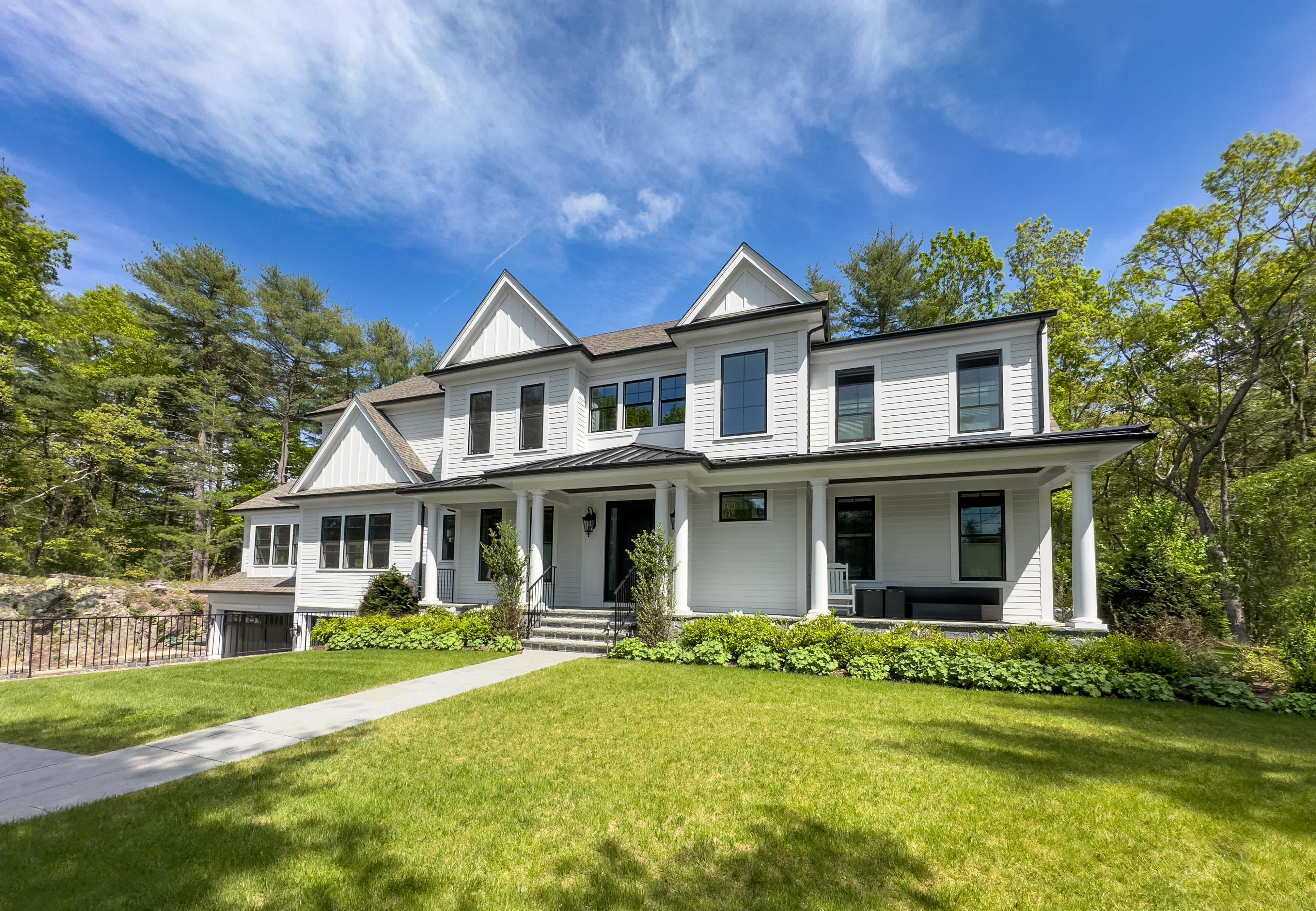
Get a detailed breakdown of thermal imaging home inspection costs, including average prices, cost factors, and tips to help homeowners budget.
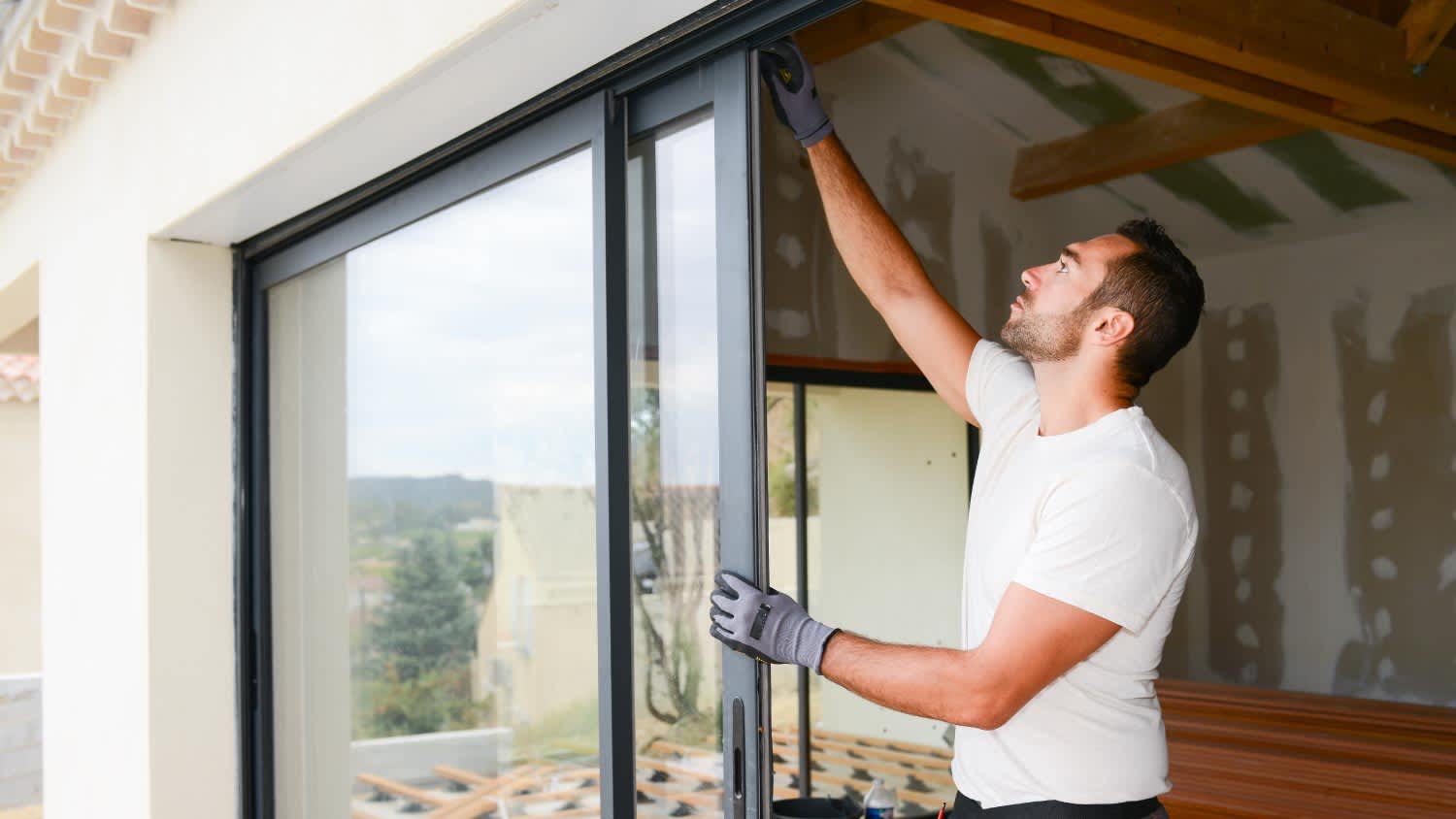
Discover the energy-efficient window costs. Learn about installation prices, cost factors, and tips to save money on your window upgrade.

Wondering what an energy audit is and how it can help keep you safe? Keep reading to learn about home energy audits and how they can save you money.

A home energy audit is a detailed write-up of how to lower your utility bills and increase your comfort level. Find out if they’re worth the cost.
Thinking about scheduling a home energy audit? Learn how to improve energy efficiency, lower your utility bills, and hire the right local pro for the job.