





Top-rated radon detection and reduction specialists.

Best radon detection and reduction specialists near Trout Lake, WA

Enter your zip and get matched with up to 5 pros

Need a pro for your radon detection and reduction project in Trout Lake, WA?

Select your specific project to find the pro for you.

Top-Rated Radon detection and reduction specialists in Trout Lake - Updated Nov 2026

Avatar for Alpha Environmental Services Inc
Alpha Environmental Services Inc
4.7(
134
)
Radon Gas - AbatementRadon Gas - Testing

Serving Trout Lake, WA and surrounding areas

Approved

In business since 2002

Free estimates

Warranties offered

"I have use Alpha on a couple of my houses now. Each time, they have been very professional, timely and explain the situation very well. They present all the options and arrive as promised"
Heating Oil Tank
Radon Reduction System
Removal of Underground Tank
Response time1 day
Response rate100%
Recommended by85%of homeowners
Radon Detection and Reduction FAQs, answered by experts

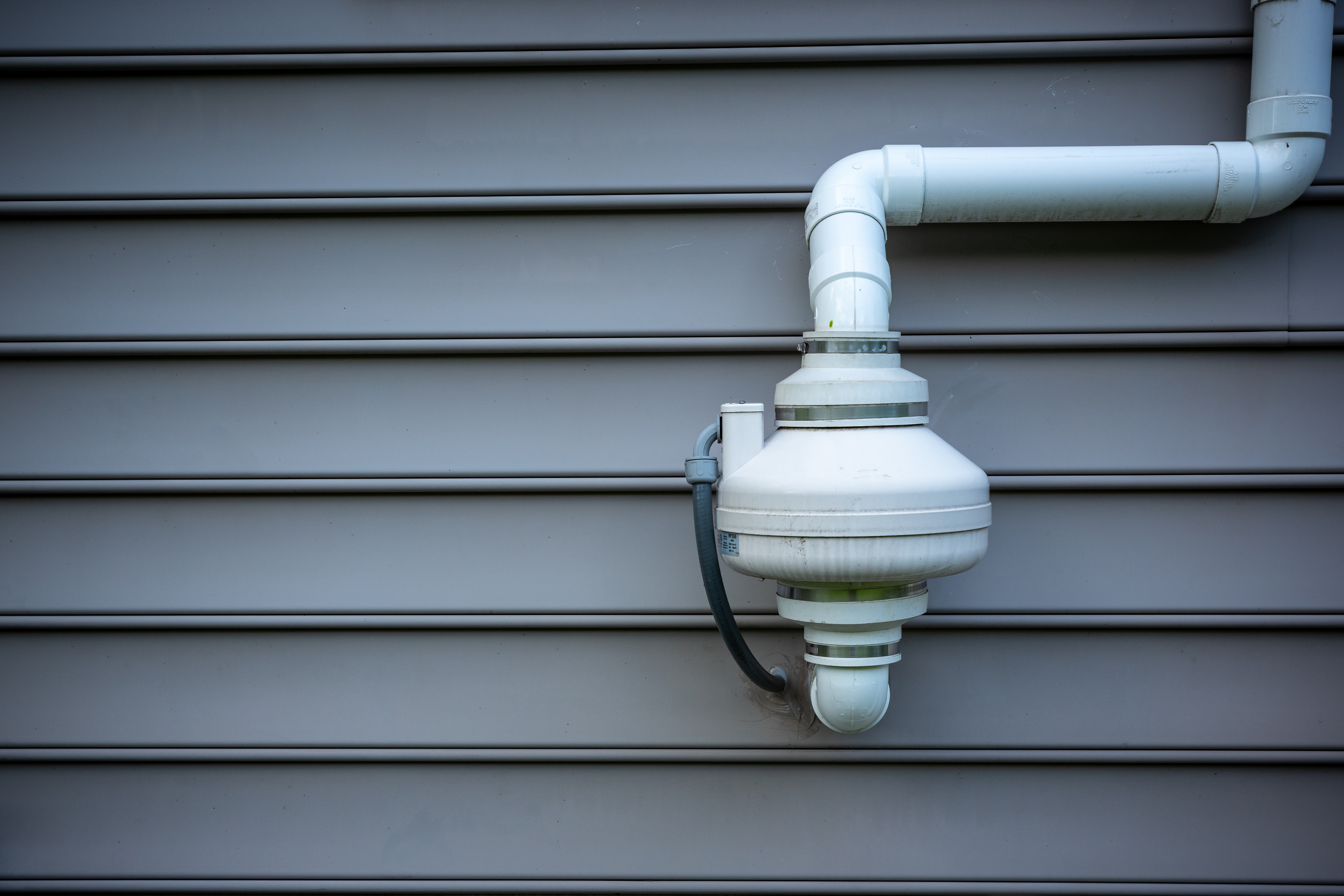
Your radon fan needs to operate 24/7 to be effective. The only time the fan isn't operating is during its replacement. Radon levels in the home can increase within hours if the fan stops working or something obstructs the stack vent. Fortunately, radon systems require no downtime maintenance between fan changes.

Radon enters your home when warm air begins to rise and exits through the roof, creating a vacuum that pulls cooler air from under the foundation. Part of that air is radon, which is an invisible, odorless gas that develops naturally when radioactive particles are deep within the ground. Those particles usually come from decaying matter in soil and rocks.

Radon detection is crucial as prolonged exposure to radon gas, a leading cause of lung cancer, poses significant health risks in residential environments.

You'll need to test your home for radon after installing the mitigation system, then again every two years. If radon remains elevated, contact a licensed radon professional, either the contractor who installed the system or a different one, and have them evaluate the system. They may need to make some changes to improve its effectiveness and performance.

No, air purifiers are not an effective way to reduce or remove radon. Radon is a radioactive, inert gas that cannot be filtered by standard air purifiers, which are designed to capture particulates like dust and mold. While an air purifier can improve indoor air quality by removing other pollutants, it should not be relied upon for radon. The only effective solution for high radon levels is a dedicated radon mitigation system.

The Trout Lake, WA homeowners’ guide to radon detection and reduction services

From average costs to expert advice, get all the answers you need to get your job done.