


Top-rated radon detection and reduction specialists.

Get matched with top radon detection and reduction specialists in Lyle, WA

Enter your zip and get matched with up to 5 pros

Need a pro for your radon detection and reduction project in Lyle, WA?

Select your specific project to find the pro for you.

Find Radon detection and reduction specialists in Lyle

Avatar for Alpha Environmental Services Inc
Alpha Environmental Services Inc
4.7(
134
)
Radon Gas - AbatementRadon Gas - Testing

Serving Lyle, WA and surrounding areas

Approved

In business since 2002

Free estimates

Warranties offered

"I have use Alpha on a couple of my houses now. Each time, they have been very professional, timely and explain the situation very well. They present all the options and arrive as promised"
Heating Oil Tank
Radon Reduction System
Removal of Underground Tank
Response time1 day
Response rate100%
Recommended by85%of homeowners
Avatar for Gorge Quality Home Inspection
Gorge Quality Home Inspection
5.0(
3
)
Radon Gas - Testing

Serving Lyle, WA and surrounding areas

In business since 2019

"Greg is always prompt in responding to scheduling and has a quick turnaround on reports too. I like his reports because they have plenty of pictures and he takes the time with buyers to answer any questions whether it be on site or following up on the report."
Recommended by100%of homeowners
Radon Detection and Reduction questions, answered by experts

No level of radon is technically safe, but since it is naturally present everywhere, it is impossible to avoid entirely. The average radon level in homes across the United States is 1.3 picocuries per liter (pCi/L). The Environmental Protection Agency (EPA) recommends taking action to reduce radon levels if your home's test results are between 2 and 4 pCi/L or higher.

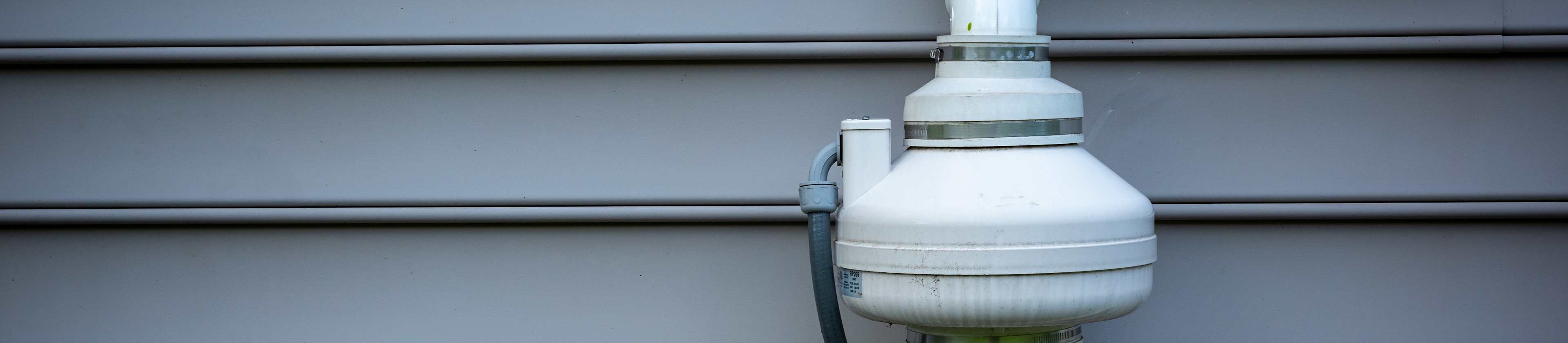
Your radon mitigation system may be loud because it’s time to replace it. Any sounds are usually from the inline fan that helps create the vacuum and resulting airflow. If you hear a new, loud mechanical or humming noise from your radon fan, it might be time to replace it. Most fans used in radon mitigation systems last up to 10 years, but may need to be replaced sooner.

The fan that pulls the radon out of the air needs to run continuously, so you may see an increase in your electric bill once you install the mitigation system. Additionally, you may see an increase in your heating or cooling bills, as the fan can cause some loss of hot or cool air.

The natural breakdown of uranium in soil, rock, and water can cause radon to appear in a home. The gas seeps into homes through cracks in foundations, walls, or floors, as well as through gaps around pipes or construction joints. Radon levels are influenced by soil composition, building materials, and ventilation. Poorly sealed or airtight homes can trap radon, allowing it to accumulate.

Radon detection is crucial as prolonged exposure to radon gas, a leading cause of lung cancer, poses significant health risks in residential environments.

The Lyle, WA homeowners’ guide to radon detection and reduction services

From average costs to expert advice, get all the answers you need to get your job done.