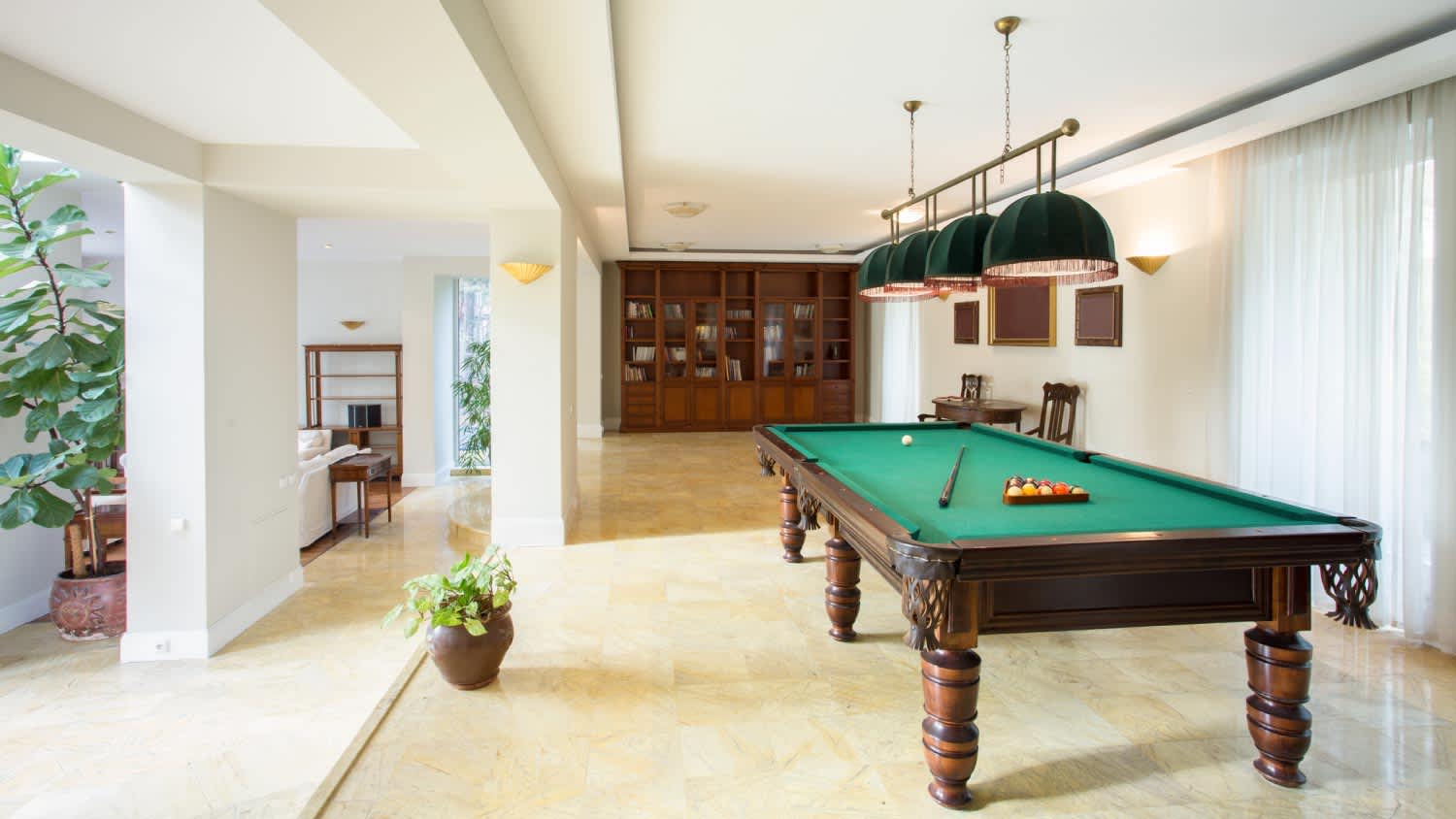


Top-rated pool table assembly pros.

Get matched with top pool table assembly pros in Moses Lake, WA

Enter your zip and get matched with up to 5 pros

Need a pro for your pool table assembly project in Moses Lake, WA?

Select your specific project to find the pro for you.

TRUSTED BY MOSES LAKE, WA HOMEOWNERS

  • Average homeowner rating star icon4.5
    Average homeowner rating
  • Verified reviews icon72
    Verified pool table assembly services reviews

Find Pool table assembly pros in Moses Lake

Avatar for ALLFix, LLC
ALLFix, LLC
4.6(
51
)
Handyman for Multiple Small Projects

Serving Moses Lake, WA and surrounding areas

Approved

In business since 2017

Free estimates

Small jobs welcome

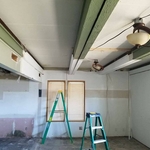
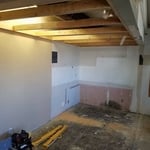
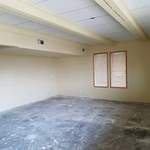
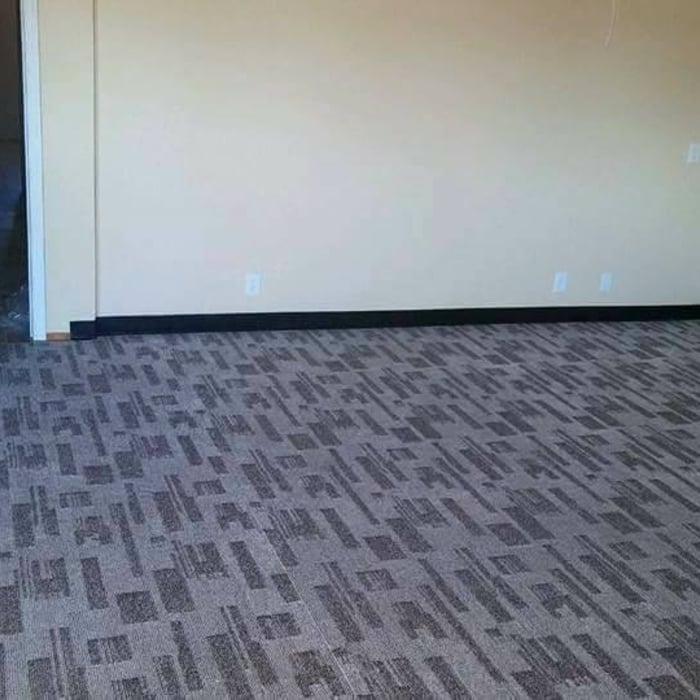
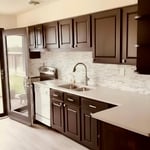
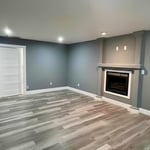
ALLFix provides professional repairs, installations, and improvements for residential and commercial clients. Services include everyday repairs, flooring, painting, countertops, cabinets, doors, windows, decks, and more. Licensed, bonded, and insured. Family-owned and operated.
ALLFix Moses Lake
ALLFix Moses Lake
ALLFix Moses Lake
ALLFix Moses Lake
ALLFix Moses Lake

+16

1 neighbors recently requested a quote
Recommended by95%of homeowners

Avatar for Weber Home Solutions -   Facebook
Weber Home Solutions - Facebook
5.0(
1
)
Handyman for Multiple Small Projects

Serving Moses Lake, WA and surrounding areas

In business since 2020

Free estimates

Small jobs welcome

"The tile Curtis had to work with (selected by me) was difficult because it wa natural slate and not uniform in size or thinkness. Curtis did a beautiful job with it. He also did another bathroom with porcelain tile and cut pebbles which also looks fantastic."
Response time20 mins
Response rate100%
Recommended by100%of homeowners
Showing 1-10 of 26
Pool Table Assembly questions, answered by experts

The total time to install an inground pool typically ranges from 8 weeks to 4 months. This timeline can be influenced by several factors, including permitting, site preparation, and the construction process itself.

Key phases and their typical durations include:

  • Permits: Obtaining necessary permits can take anywhere from two to six weeks.

  • Excavation and Site Preparation: This phase takes about a week but can be extended by problematic soil, unexpected ground conditions, or the need to move underground utility lines.

  • Construction: The actual build, including plumbing and electrical work, often takes one to two months. The pool material is a major factor here; a concrete pool needs about 30 days to cure, while installing a fiberglass or vinyl liner is much faster.

External factors can also cause significant delays:

  • Contractor Availability: Spring and summer are busy seasons, and high demand can lead to long waitlists, potentially adding months to your start date. It is often recommended to start planning and getting estimates up to a year in advance.

  • Other Delays: Weather, material shortages, complex designs, and other unforeseen challenges can extend the project timeline.

Whether your homeowners insurance covers a pool leak depends on your specific policy, so it's essential to check your policy documents before taking on any repairs. Typically, leaks caused by a covered event, such as a fallen tree branch or a fire, may be covered. However, leaks resulting from general wear and tear or poor maintenance are usually not. It is also a good practice to review your homeowners insurance policy before installing a pool to fully understand your personal liability and coverage.

The type of sand you need for your sand filter depends on the manufacturer’s instructions, but you’ll need to use sand specifically for pool filters. Silica sand is a wallet-friendly, common choice that’s relatively easy to replace. You’ll choose between various grades of sand and different-sized sand grains.

You’ll save money by filling your pool by hose rather than water delivery. Since water delivery includes delivery fees and filling the pool, the savings between the two can be a difference of up to several hundred dollars. Generally, using your hose costs $26 to $70 less per 1,000 gallons than using water delivery.

Calcium lumps in a pool are calcium deposits that form when a pool's water parameters are not in the normal range. They can float around on the surface of the pool water, making it look and feel dirty. The most common causes of calcium lumps in pools are calcium hardness above 1,000 ppm, alkalinity over 120, and a pH over 7.8. Keeping your pool’s calcium levels, alkalinity, and pH levels within the normal, safe ranges is the best way to prevent calcium lumps and other problems, including damage to the pool surface.

The Moses Lake, WA homeowners’ guide to pool table assembly services

From average costs to expert advice, get all the answers you need to get your job done.