


Top-rated radon detection and reduction specialists.

Get matched with top radon detection and reduction specialists in Lind, WA

Enter your zip and get matched with up to 5 pros

Need a pro for your radon detection and reduction project in Lind, WA?

Select your specific project to find the pro for you.

Find Radon detection and reduction specialists in Lind

Affordable Home Inspection, LLC
New to Angi

Serving Lind, WA and surrounding areas

In business since 2016

Free estimates

Credit card accepted

We pride our company on reliability, integrity and quality work. When Affordable Home Inspection, LLC is hired, we make it a point to provide the highest level of customer service. We work with both residential and commercial clients, and apply the same attention to detail regardless of project size or complexity. We look forward to earning your business! Thank you!

Radon Detection and Reduction questions, answered by experts

Use a radon test kit or hire professionals to conduct a detailed assessment of radon levels in your home.

The cost to replace a radon fan ranges from $300 to $600 for the fan itself, with installation adding an additional $200 to $500. Overall, the total cost for replacement can range from $500 to $1,100, depending on factors such as the fan model, home size, and local labor rates. If the fan is part of a larger radon mitigation system, the price may be higher.

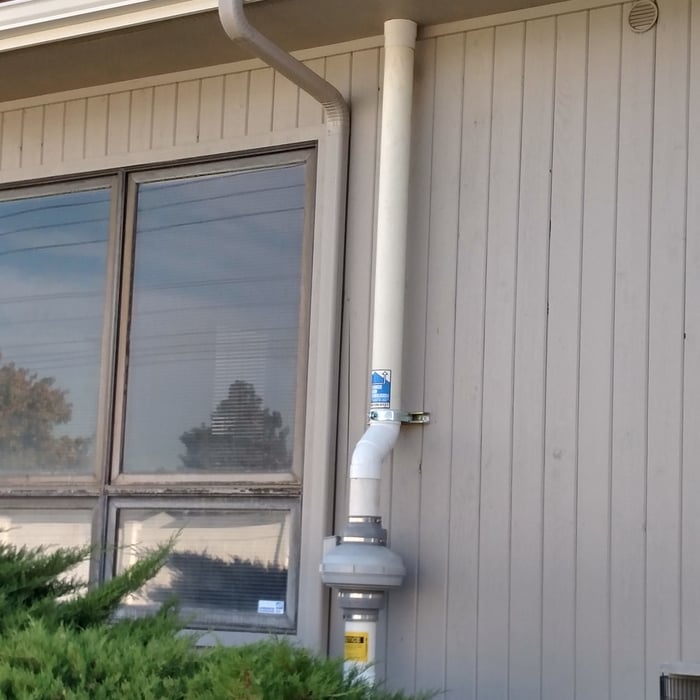
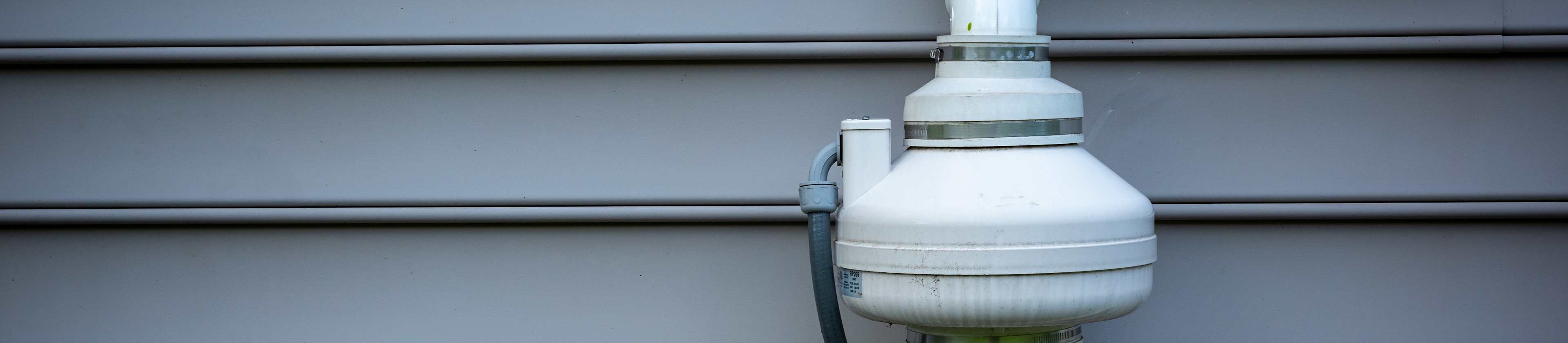
Your radon mitigation system may be loud because it’s time to replace it. Any sounds are usually from the inline fan that helps create the vacuum and resulting airflow. If you hear a new, loud mechanical or humming noise from your radon fan, it might be time to replace it. Most fans used in radon mitigation systems last up to 10 years, but may need to be replaced sooner.

The fan that pulls the radon out of the air needs to run continuously, so you may see an increase in your electric bill once you install the mitigation system. Additionally, you may see an increase in your heating or cooling bills, as the fan can cause some loss of hot or cool air.

No, air purifiers are not an effective way to reduce or remove radon. Radon is a radioactive, inert gas that cannot be filtered by standard air purifiers, which are designed to capture particulates like dust and mold. While an air purifier can improve indoor air quality by removing other pollutants, it should not be relied upon for radon. The only effective solution for high radon levels is a dedicated radon mitigation system.

The Lind, WA homeowners’ guide to radon detection and reduction services

From average costs to expert advice, get all the answers you need to get your job done.

What do you need done? We’ll find top pros.
  • 🌱 "Mow a small front yard"
  • 🛠 "Fix a leaking pipe under the sink"
  • 🏠 "Repair shingles on an asphalt roof"