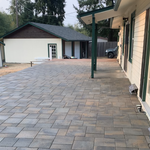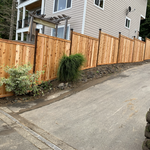






Top-rated fencing pros.

Get matched with top fencing pros in Lilliwaup, WA

Enter your zip and get matched with up to 5 pros

Need a pro for your fencing service project in Lilliwaup, WA?

Select your specific project to find the pro for you.

Find Fencing pros in Lilliwaup

Avatar for A&J HARDSCAPE/PAVER LLC
A&J HARDSCAPE/PAVER LLC
4.6(
6
)
Vinyl or PVC Fence - InstallWood Fence - Install

Serving Lilliwaup, WA and surrounding areas

Approved

In business since 2018

Free estimates

Offers commercial services

It can be a daunting task looking for not only the right contractor for your job but also the right contractor for you. We completely understand what you're going through. We know every customer has different desires, different needs and different schedules. We're not only here to turn your ideas into reality but to make it a memorable experience every step of the way. Call us right now, no matter where you are in the planning process.

1 neighbors recently requested a quote
Recommended by66%of homeowners
...
Showing 1-10 of 71
Fencing questions, answered by experts

Deer can crawl under a fence if it has a gap of around 6 inches or more. Make sure to close all gaps at the bottom of your fence to keep deer out, and the bottom of the material should be tightly secured, or the deer will push right through it. As an added benefit, closing shorter gaps at the bottom of a fence can also keep rabbits out of your yard.

The standard height for a split rail fence is three or four feet. This height requires two to three horizontal rails, making it ideal for homeowners wanting a budget-friendly split rail fence. If you’re hoping to contain agile livestock or animals like dogs, geese, or goats, you may prefer to install a six-foot tall fence with four or five rails or a four-foot-tall fence with three horizontal rails. This will help prevent animals from climbing, crawling, or jumping through the rails.
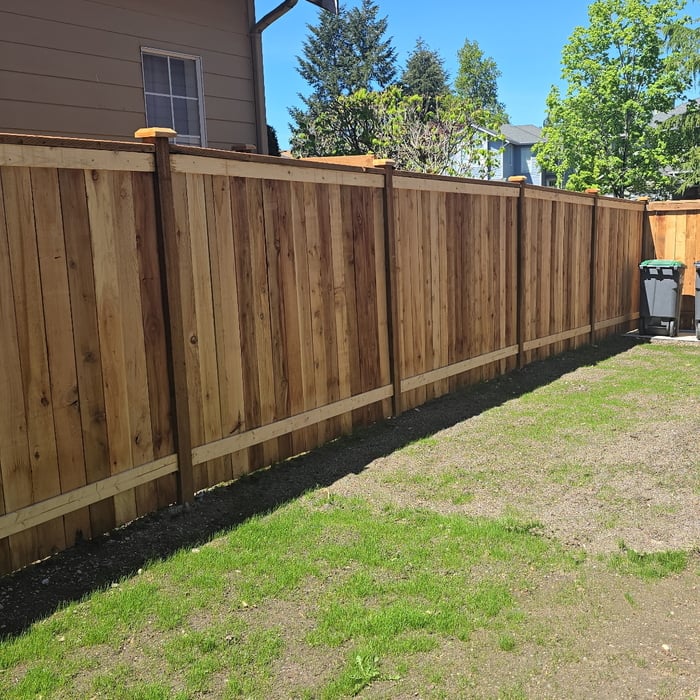
Yes, finding compatible materials and finishes for seamless fixes.

Whether you need a permit to build or install a fence depends on several factors, including your location, the fence's height, its placement in your yard, and the materials used. In many cities and highly populated areas, a permit is required, especially for fences taller than 6 feet. Conversely, rural areas may have fewer restrictions. Typically, backyard privacy fences 6 feet or shorter do not require a permit, while front yard fences often have a lower height limit, sometimes as low as 3.5 feet. There can also be exceptions for properties in mixed residential-commercial zones. It's best to check with your local building inspection or zoning department to understand the specific requirements, height restrictions, and location rules for your area. A professional fence installer can help you navigate this process and often secure the necessary permits for you, though this may extend the project timeline.

One of the best alternatives to a snow fence is to plant a living snow fence of grasses, shrubs, trees, and crops like corn. Another temporary option is using hay bales to create a barrier to disrupt the wind flow, and cause snow to accumulate in specific areas. However, hay bales are not a permanent option, so keep that in mind when choosing what type of snow fence you should install.

The Lilliwaup, WA homeowners’ guide to fencing services

From average costs to expert advice, get all the answers you need to get your job done.