



Michels Drywall
Plaster - Repair
Serving Colbert, WA and surrounding areas
Approved
In business since 2020
Free estimates
Offers commercial services
"very quick to schedule and complete work"
Response time10 hrs
Recommended by100%of homeowners

 4.4
 122
*The Angi rating for Plaster Repair companies in Colbert, WA is a rating based on verified reviews from our community of homeowners who have used these pros to meet their Plaster Repair needs.
*The HomeAdvisor rating for Plaster Repair companies in Colbert, WA is a rating based on verified reviews from our community of homeowners who have used these pros to meet their Plaster Repair needs.
Last update on October 23, 2025
Serving Colbert, WA and surrounding areas
Approved
In business since 2020
Free estimates
Offers commercial services
"very quick to schedule and complete work"
Serving Colbert, WA and surrounding areas
Approved
Free estimates
Emergency services offered
Warranties offered
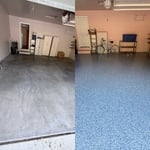
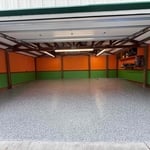
Un piso de garaje completamente renovado con un acabado de alta calidad. Este sistema de epoxy con escamas decorativas ofrece una apariencia moderna, limpia y resistente, ideal para soportar el uso diario.\n\n✅ Acabado uniforme y sin imperfecciones visibles.\n✅ Excelente distribución de las escamas para un aspecto elegante.\n✅ Superficie duradera, fácil de limpiar y resistente a manchas y desgaste.\n✅ Un garaje que no solo protege el concreto, sino que también aumenta el valor y la presentación del hogar.\n\nCada proyecto refleja nuestro compromiso con la calidad y la atención al detalle. Si buscas un acabado profesional que haga destacar tu garaje, estás en el lugar indicado.
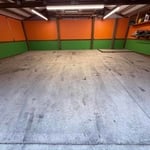
Serving Colbert, WA and surrounding areas
In business since 2000
Free estimates
Credit card accepted
"They were good workers, did a nice job and cleaned up the area very good when they were finished. I would hire them again."

Serving Colbert, WA and surrounding areas
In business since 2006
Free estimates
Credit card accepted
"These men did an excellent job, with care of details, helpful suggestions, and precision. They wanted our input so they could get it right."
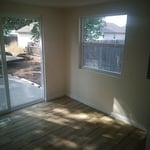
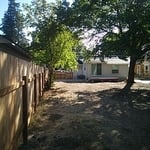
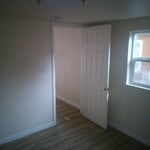
+60

Serving Colbert, WA and surrounding areas
In business since 2007
Free estimates
Emergency services offered
"Roof repair and handyman work was great. They showed up on time and were experienced with the work they were hired to do. I live in an older mobile home andI have several other things I'd like done but after several weeks of trying to get quotes and work scheduled I am giving up. I liked the staff members I met, they were friendly and serious about doing a good job. However, I have to assume they lack experience in some areas of interior construction at least on mobile homes."
+2
Serving Colbert, WA and surrounding areas
In business since 2022
Free estimates
Emergency services offered
"Shay did a really great job!"
Serving Colbert, WA and surrounding areas
In business since 2011
Free estimates
Credit card accepted
"I'm looking for a Dock Builder, not a general contractor. A dock contractor has a pile driving barge to drive pilings into the lake bed. I have seen them working around our area before, just need their name and phone number"


+8

Serving Colbert, WA and surrounding areas
In business since 2016
Free estimates
Credit card accepted
"This company gave me exactly what I needed but the project won't be started until the spring, I will be calling them back 😊"


Serving Colbert, WA and surrounding areas
In business since 1986
Free estimates
Here at Double K Contractors, we are a father son duo that has been proudly serving the Spokane community since 1986. We make sure every job receives the highest attention to detail to ensure that all of your plaster and foundation needs are met with the best quality.

Serving Colbert, WA and surrounding areas
In business since 2022
Free estimates
Offers commercial services
"Exceptional work and customer service, honest and upfront with all information. Extremely courteous and friendly service. Recommend to all friends and family and will continue to use their services in the future."
+4
From average costs to expert advice, get all the answers you need to get your job done.
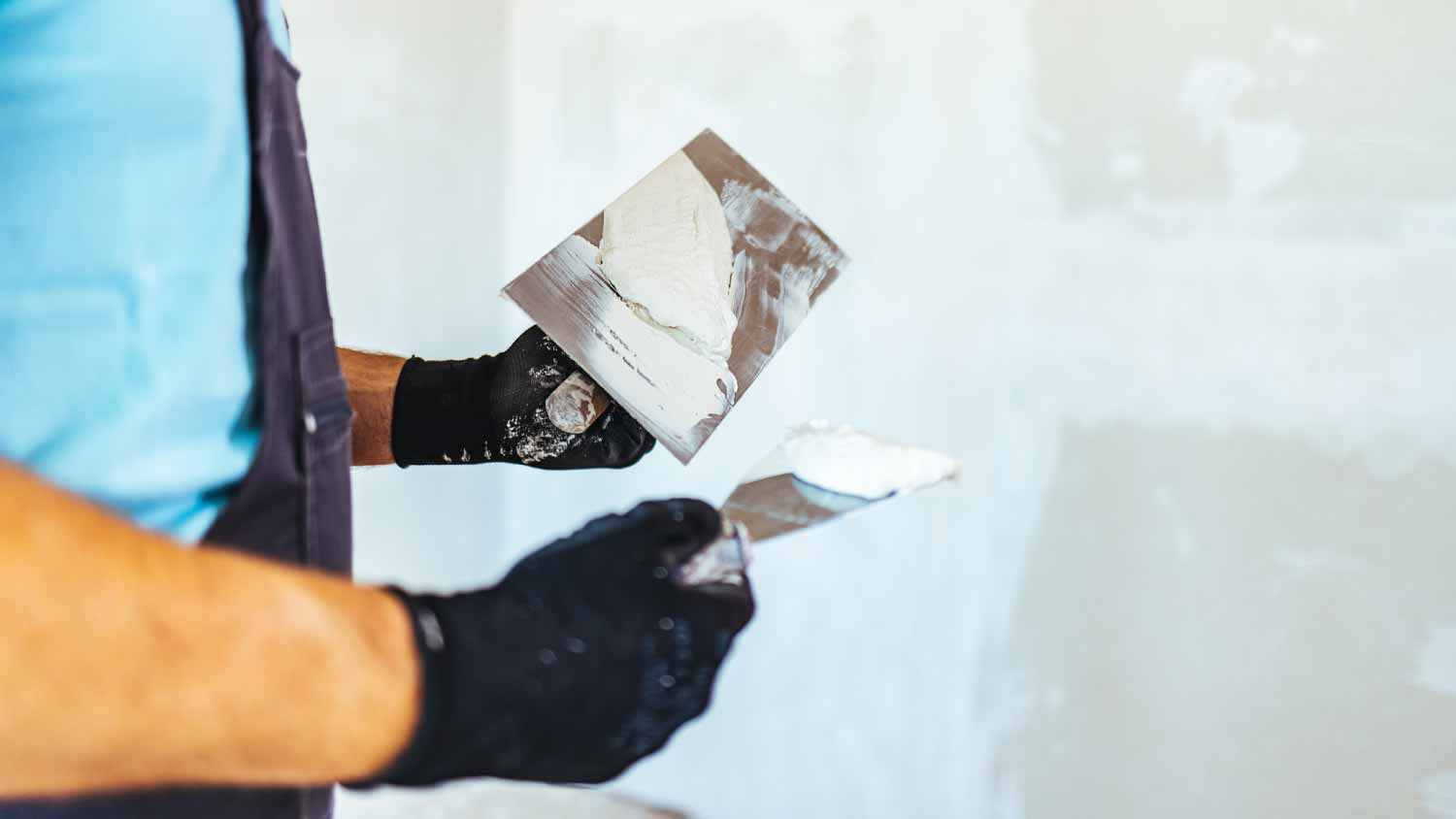
Plaster repair costs are determined by the size and type of damage. Discover why some fixes you can DIY and why some require a pro’s help.

The cost of plastering walls and ceilings depends on the room size and ceiling height. Our tips can help you estimate an accurate cost.
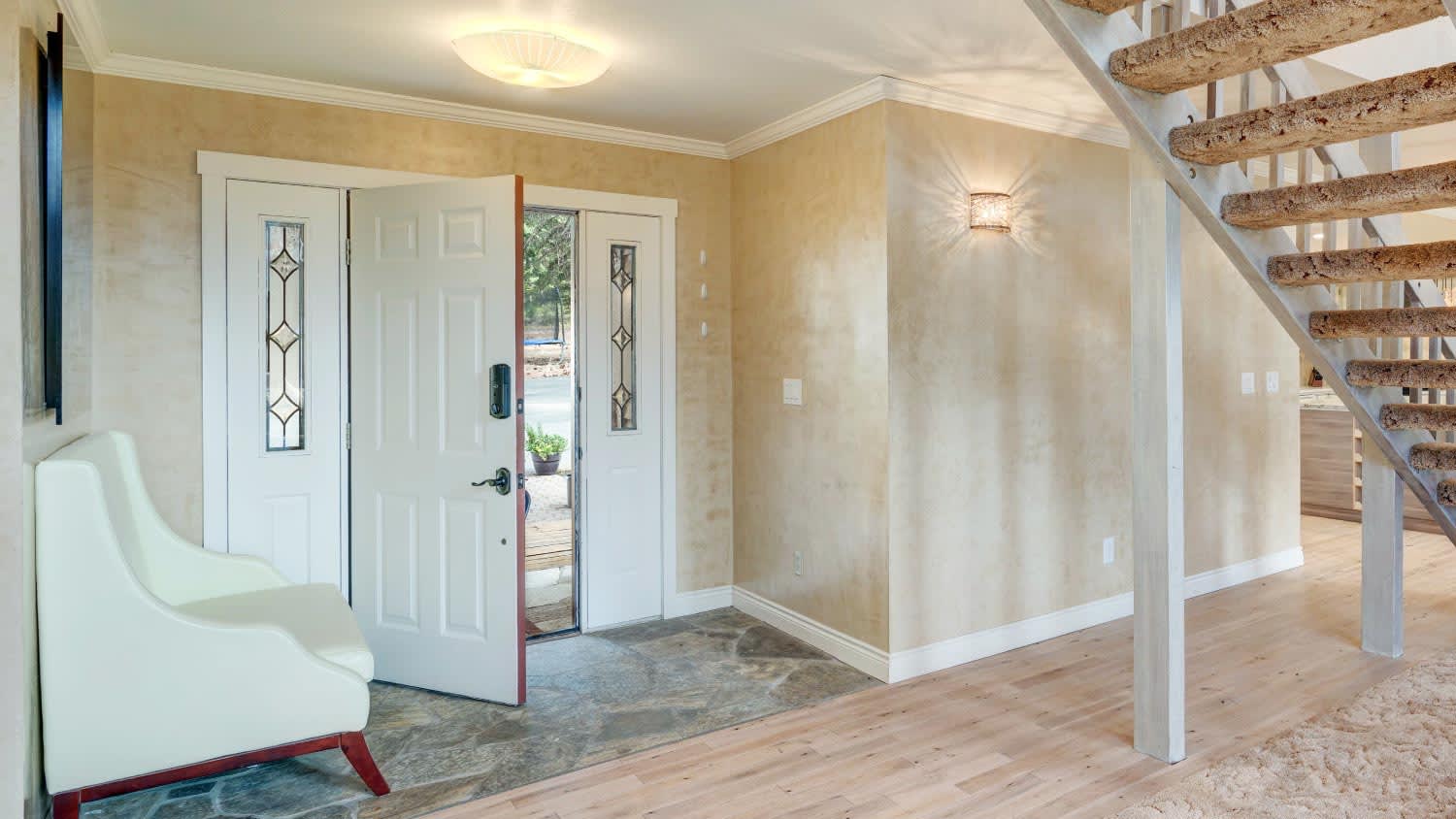
Venetian plaster can add depth and texture to your aesthetic. Learn how much Venetian plaster costs based on factors like square footage and whether you hire a pro to help.
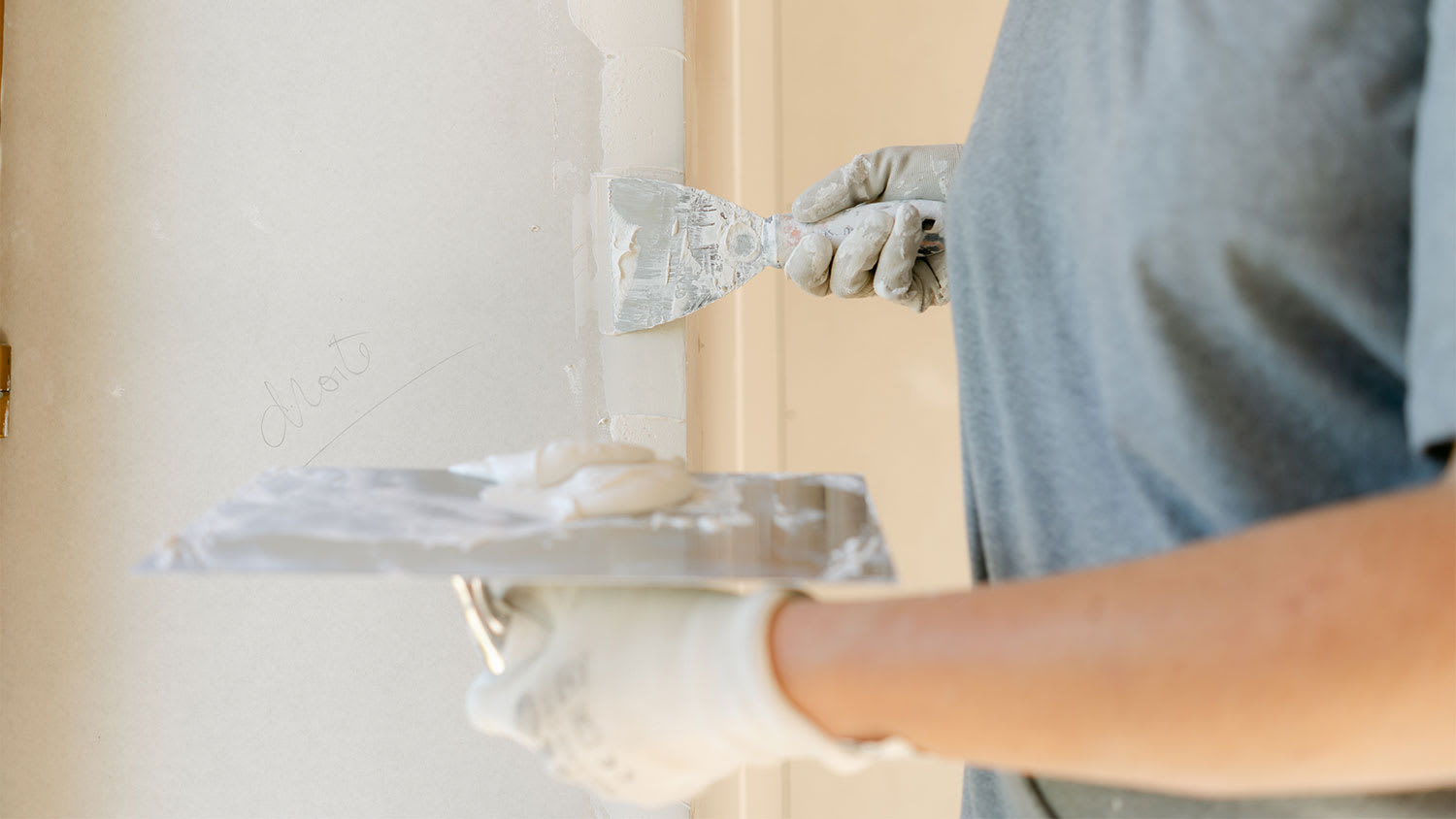
Finding a qualified plaster repair pro? Learn how to hire the right specialist, what questions to ask, and what to expect for your project.
Planning a plaster repair project? Learn about the process, average costs to expect, and how to hire the right local pro to restore your walls.

You can find plaster walls in a lot of older homes. What’s behind these walls—whether that’s lath or calcimine—can have an impact on how long they last. Finding out the age of your house can help you determine what you’re dealing with.