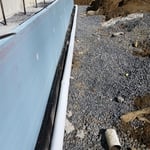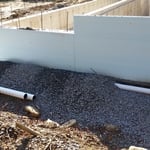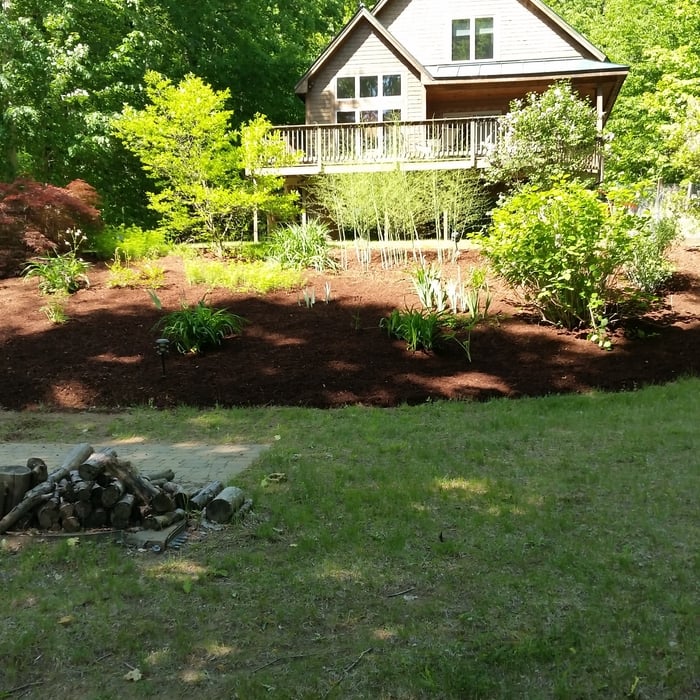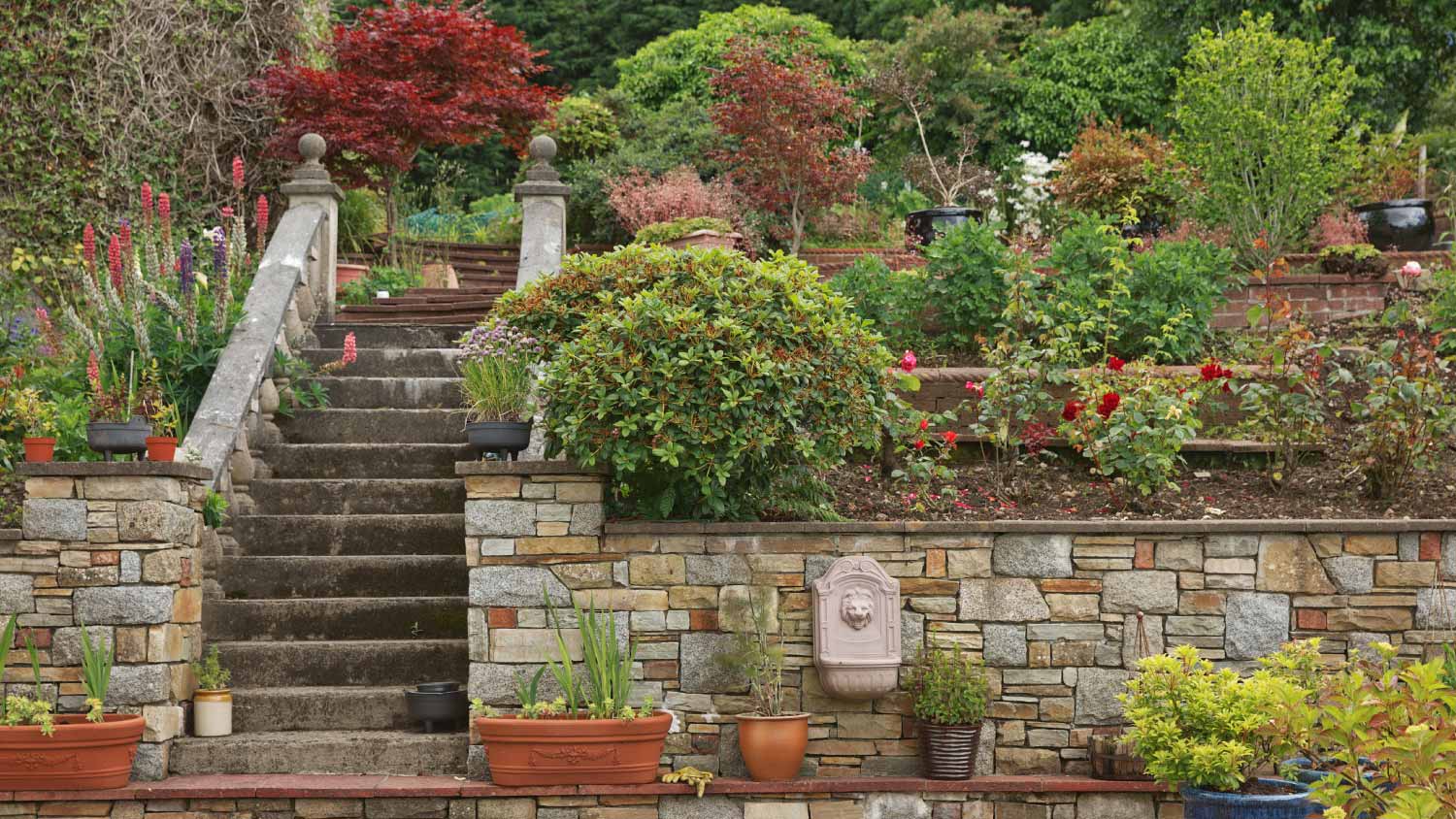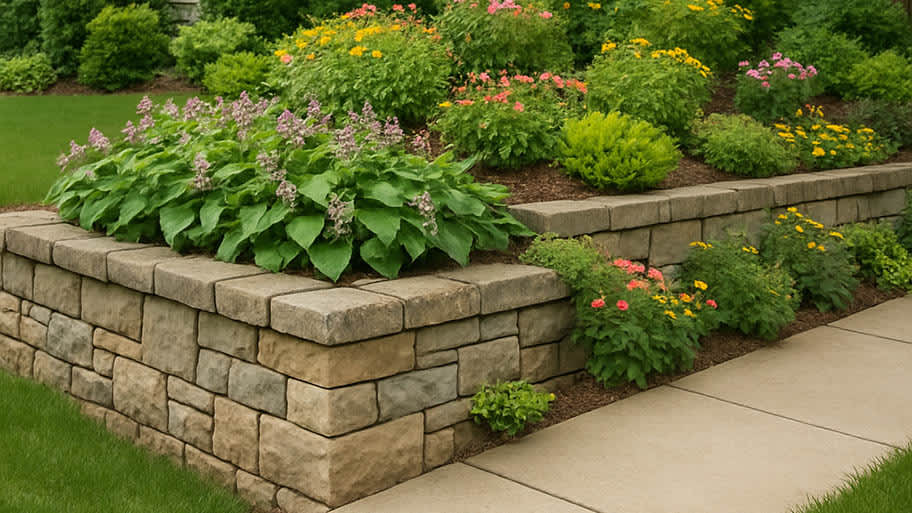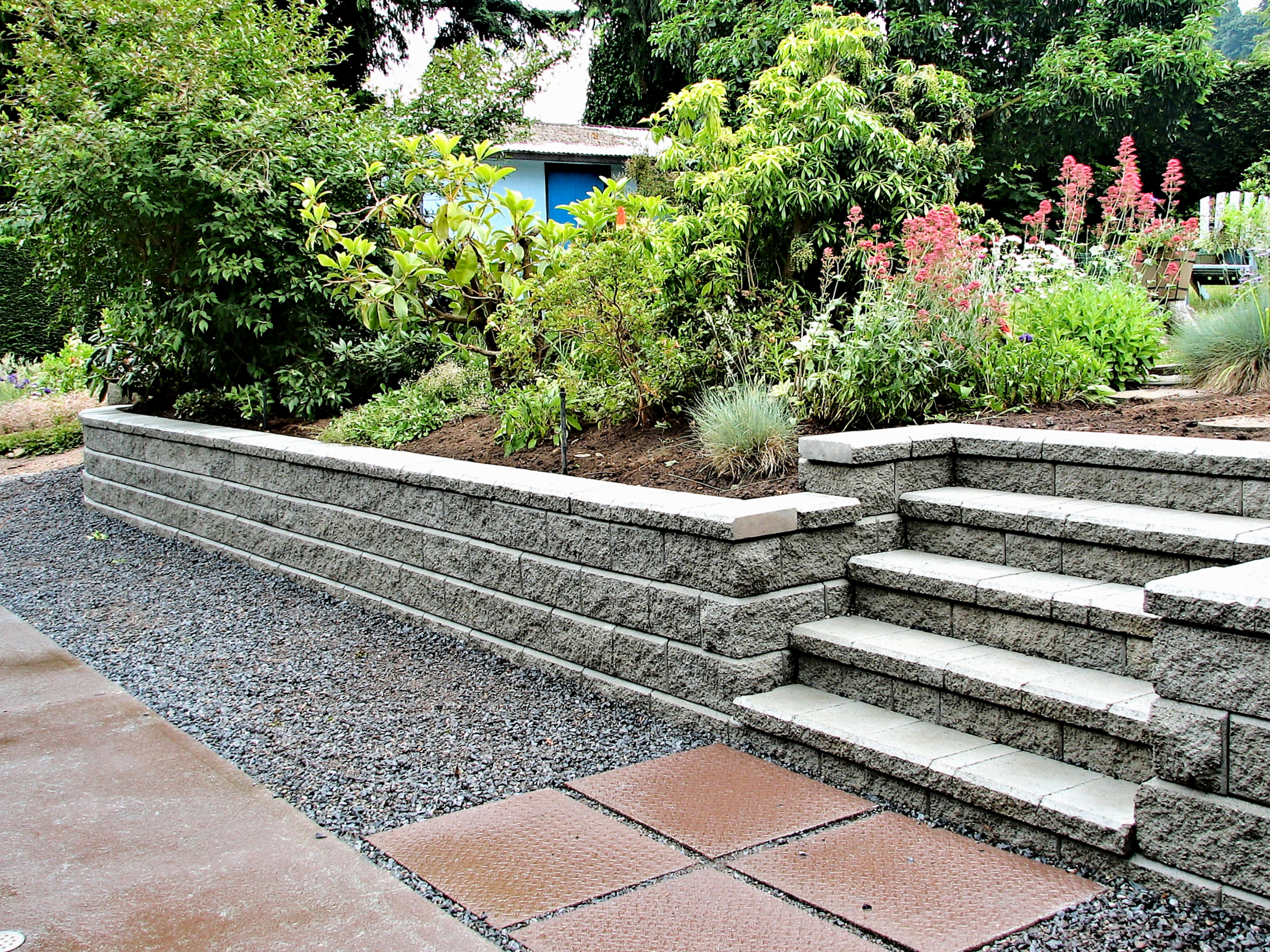







Top-rated retaining wall installation pros.

Best retaining wall installation pros near White River Junction, VT

Enter your zip and get matched with up to 5 pros

Need a pro for your retaining wall installation project in White River Junction, VT?

Select your specific project to find the pro for you.

TRUSTED BY WHITE RIVER JUNCTION, VT HOMEOWNERS

  • Average homeowner rating star icon4
    Average homeowner rating
  • Verified reviews icon13
    Verified retaining wall installation services reviews

Top-Rated Retaining wall installation pros in White River Junction - Updated Nov 2026

Avatar for R.A.M. Contracting, Inc.
R.A.M. Contracting, Inc.
3.8(
6
)
Retaining Wall - Install

Serving White River Junction, VT and surrounding areas

In business since 1998

Free estimates

Emergency services offered

"The company representative stated to me that they only do commercial properties and not residential homes. I was not aware of that from the company's description. They did respond to my calls."
Response time1 day
Recommended by100%of homeowners
Showing 1-10 of 20
Retaining Wall Installers FAQs, answered by experts

Even if you think you know how to build a retaining wall theoretically, doing the actual work is a completely different story. There are lots of nuances in building retaining walls, and the slightest oversight can compromise their integrity. Therefore, we recommend you hire a pro to build, repair, or replace retaining walls.

Generally speaking, a retaining wall should be between 3 and 4 feet high, depending on variables such as the wall-building material, the purpose of the retaining wall, and more. If you want your retaining wall to be taller than 4 feet, check with your local building ordinance office for the maximum allotment. You may also need a special permit for retaining walls over 4 feet tall.

Generally, a railroad tie retaining wall consisting of a single line of ties should be between 3 and 4 feet tall—and the height often tops out at around 6 feet. You can go taller, but you may need additional footings and reinforcements, including a second layer of railroad ties to support the added weight of the soil it’s holding back.

Small retaining walls still require a foundation of some kind, typically a concrete footing. This helps to ensure the wall is structurally sound and prevents the ground from shifting over time, especially during those winter freeze/thaw cycles. The footing helps spread the weight of the wall and the load it carries over a larger area of the ground, thus assisting with stability. This is true of small retaining walls, larger rock garden walls, and the like. 

Failure to compact the soil during construction is the most common cause of leaning retaining walls. In addition, poor drainage can lead to excessive water pressure behind a retaining wall, pushing against it until it begins to move forward away from the soil it is holding back.

The White River Junction, VT homeowners’ guide to retaining wall installation services

From average costs to expert advice, get all the answers you need to get your job done.