





Top-rated excavation pros.

Get matched with top excavation pros in Springfield, VT

Enter your zip and get matched with up to 5 pros

Need a pro for your excavation project in Springfield, VT?

Select your specific project to find the pro for you.

TRUSTED BY SPRINGFIELD, VT HOMEOWNERS

  • Average homeowner rating star icon4.3
    Average homeowner rating
  • Verified reviews icon12
    Verified excavation services reviews

Find Excavation pros in Springfield

Avatar for D.R Guilmette Landworks
D.R Guilmette Landworks
New to Angi

Serving Springfield, VT and surrounding areas

Approved

In business since 2010

Free estimates

Credit card accepted

D.R Guilmette Landworks has extensive experience working with various areas of land developing. From building site preparation, to new patios for an existing home, our company can do it all.

23 neighbors recently requested a quote

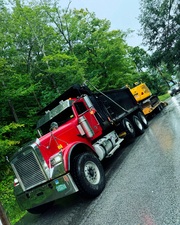
Avatar for Mike Massey Logging & Excavating
Mike Massey Logging & Excavating
5.0(
5
)

Serving Springfield, VT and surrounding areas

In business since 2001

Free estimates

Emergency services offered

"It was outstanding service. He was really a reliable guy. He finish pretty intense project and he was very creative and run excavating like a professional. Price was pretty good and outstanding quality. He follows up and stays there until job done. He gave heads up when he's coming. Very professional and runs a clean business and takes it seriously."
Additional Photos
Additional Photos
Additional Photos
Additional Photos
Additional Photos

+6

Recommended by100%of homeowners
Avatar for Northern Edge Land Maintenance
Northern Edge Land Maintenance
5.0(
4
)

Serving Springfield, VT and surrounding areas

In business since 2025

Free estimates

Offers commercial services

"Derrik removed a fair amount of sand box sand that i was having a hard time disposing of, then dug out 5 cement footing to our old playground and finally leveled and landscaped a section of our back yard. I couldn't be more pleased with his work. He even discounted his original estimate because we did not need top soil and I and my neighbor assisted ( if you want to call it that) some of the raking. I highly recommend Derrick and Northen Edge phil and beth"
Response time1 day
...
Showing 1-10 of 60
Excavating questions, answered by experts

How deep your septic system needs to be into the ground depends on several factors. In extremely cold environments, the tank needs to rest below the maximum frost line, which can be up to six or eight feet deep. The standard burying depth for most systems is between a few inches and four feet below ground level. Depth can also depend on the slope of the landscaping and other property variables. 

Landscape edging is more DIYable than trenching. You can DIY your own digging projects, but proceed carefully and only with proper knowledge of the equipment and appropriate safety measures in place. Keep in mind the project's scope and estimate how long it will take you to do it on your own. While you can certainly save money by DIYing home improvement projects, you can’t exactly hide an unfinished—or worse, ruined— landscaping job from the neighbors. It’s always safer to call an excavation pro near you to get an estimate.

As a general rule, the protected area should be about 1½ times as wide as the canopy of the tree’s leaves. This digging measurement can vary by tree species and the age of the tree. Of course, that can be a lot of fencing for larger trees, which is why our first step is about making difficult decisions on which trees to save.

Septic drain lines (or leach lines) are typically buried between 18 and 36 inches underground, and should be at least 6 inches below the surface. These pipes are perforated and surrounded by filtering materials like sand or gravel. Burying the lines at this depth helps minimize odors and allows bacteria and other biological processes in the soil to effectively treat the wastewater. Burying lines too close to the surface can cause issues unless the soil is very compact and stable.

There are several methods to hollow out a tree stump, and the best one depends on your tools, experience, and priorities. Common methods include using a chisel and hammer, a chainsaw, or burning.

  • Chisel and Hammer: This is often considered the easiest approach for those with limited tools or experience, though it is the most time-consuming.

  • Chainsaw: Using a chainsaw is the fastest method, but it comes with significant safety risks, especially for inexperienced users.

  • Burning: This can be an effective method, but it is not recommended unless you can first drill holes into the stump. Without holes, the stump will be difficult to light and may not burn completely through.

A power drill with at least a ⅜-inch diameter bit can make the job quicker and easier, regardless of the primary method. While you can use a chisel or chainsaw without a drill, it will require more time and effort. Always wear protective goggles and thick gloves, as splinters are an inevitable risk.

The Springfield, VT homeowners’ guide to excavation services

From average costs to expert advice, get all the answers you need to get your job done.