


Top-rated excavation pros.

Best excavation pros near Weathersfield, VT

Enter your zip and get matched with up to 5 pros

Need a pro for your excavation project in Weathersfield, VT?

Select your specific project to find the pro for you.

Top-Rated Excavation pros in Weathersfield - Updated Nov 2026

Avatar for Kaynicki Janitorial
Kaynicki Janitorial
4.7(
13
)
Building Site - Preparation and Clearing

Serving Weathersfield, VT and surrounding areas

Approved

In business since 1998

Free estimates

Offers commercial services

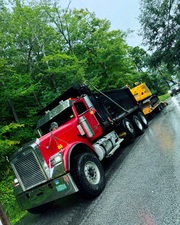
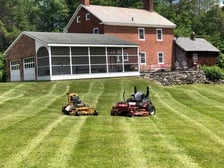
Serving our community since 1998, Kaynicki Janitorial delivers dependable, high-quality cleaning and site services. We specialize in everything from commercial janitorial maintenance and post-construction cleaning to light demolition, building site preparation, and junk/debris removal. With over two decades of hands-on experience, we get the job done right the first time. Contact us today for a estimate!

Photos
6 neighbors recently requested a quote
Recommended by81%of homeowners
Kaynicki Janitorial
4.7(
13
)
Building Site - Preparation and Clearing

Serving Weathersfield, VT and surrounding areas

Approved

In business since 1998

Free estimates

Offers commercial services

"I hired Andy and his crew to clean my windows this spring and I could not be happier. They did an outstanding job, my wife and I are extremely pleased. Great value for the service provided. I definitely be asking them to come back again when I need their services. I would highly recommend Andy and his company for their cleaning services. Very courteous and professional. Sincerley, Kim Doubleday Canterbury, NH"
Response time2 days
5 neighbors recently requested a quote
Recommended by81%of homeowners
C&L Cass Construction
2.8(
2
)
Building Site - Preparation and ClearingExcavation - Major Grading or Resloping

Serving Weathersfield, VT and surrounding areas

Approved

Small jobs welcome

Offers commercial services

Customers say: Quick response

"Chris worked with my schedule to get a foundation in and also fixed up my driveways, made great suggestions. He showed up and completed the work exactly as he promised and kept the site tidy all through the project. A pleasure to work with!"
1 neighbors recently requested a quote
Recommended by100%of homeowners
...
Showing 1-10 of 72
Excavating FAQs, answered by experts

The best type of soil to build on is a mixture of sand and clay, known as loam soil. Loam soil has the best combination of these soil types to build a foundation on. The clay particles help with water retention, so it won’t erode like sandy soil might, and the sandy particles help with drainage, so you won’t see unsafe soil expansion or have an increased risk of leaks from water sitting against your foundation.

The cost to drill a well varies, with a national average of around $5,500 for a 150-foot well. However, prices can fluctuate significantly based on several factors, including your location, the required well depth, geological conditions, local regulations, and the specific drilling methods used. For the most accurate cost assessment, it is best to research and get quotes from local well-drilling professionals in your area.

Most states do not require excavation companies to hold specific licenses, but many require at least a contractor’s license. Additionally, heavy equipment operators require a special commercial equipment license to operate machinery required for excavation. You can use Angi’s contractor licensing tool to confirm that an excavation company you’re considering hiring is fully licensed. You should also make sure that the excavation team is fully insured before allowing them to work on your property.

Most residential basements are 8 to 10 feet deep. You can dig deeper depending on building codes, but it does become more difficult. You’ll likely need to install stronger foundation walls and additional supports to handle the increased load. Depending on the water table, you may also need a water management system. Clay soil can support a deeper foundation than sandy soil. A structural engineer will be able to tell you the maximum, feasible depth.

Sewer lines can be buried anywhere from 18 inches to 8 feet deep, with a common average depth between 18 and 30 inches. The exact depth depends on local factors like climate and soil type. In colder regions, pipes must be buried deeper (below the frost line) to prevent freezing, sometimes as deep as 8 feet. The digging depth can also impact the cost of sewer line replacement. To find the specific depth for your property, you can check the building plans for your system, which should be on file with your city or local sanitation department since permits are required for installation.

The Weathersfield, VT homeowners’ guide to excavation services

From average costs to expert advice, get all the answers you need to get your job done.