


Top-rated excavation pros.

Get matched with top excavation pros in Bellows Falls, VT

Enter your zip and get matched with up to 5 pros

Need a pro for your excavation project in Bellows Falls, VT?

Select your specific project to find the pro for you.

Find Excavation pros in Bellows Falls

Avatar for Northern Edge Land Maintenance
Northern Edge Land Maintenance
5.0(
4
)
Excavation - Major Grading or ReslopingLandscape - Minor Grading or Resloping

Serving Bellows Falls, VT and surrounding areas

In business since 2025

Free estimates

Offers commercial services

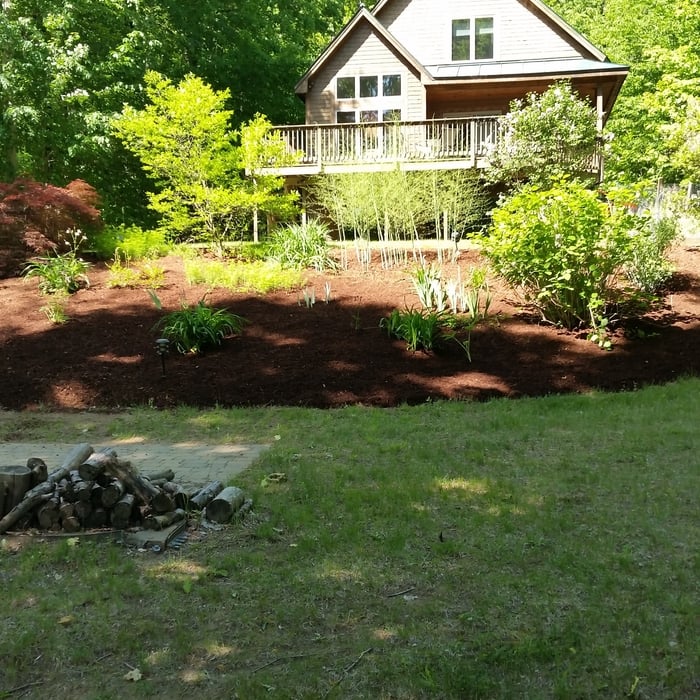
"Derrik removed a fair amount of sand box sand that i was having a hard time disposing of, then dug out 5 cement footing to our old playground and finally leveled and landscaped a section of our back yard. I couldn't be more pleased with his work. He even discounted his original estimate because we did not need top soil and I and my neighbor assisted ( if you want to call it that) some of the raking. I highly recommend Derrick and Northen Edge phil and beth"
Response time1 day
...
Showing 1-10 of 53
Excavating questions, answered by experts

Septic drain lines (or leach lines) are typically buried between 18 and 36 inches underground, and should be at least 6 inches below the surface. These pipes are perforated and surrounded by filtering materials like sand or gravel. Burying the lines at this depth helps minimize odors and allows bacteria and other biological processes in the soil to effectively treat the wastewater. Burying lines too close to the surface can cause issues unless the soil is very compact and stable.

Yes. A metal detector is one of the quickest and easiest ways to find your septic tank. However, metal detectors can be too expensive (costing upward of $300 in some cases), and not everyone has a metal detector just lying around. If that’s the case for you, you can also take a long metal rod and poke it into the ground at regular intervals until you hit something—likely your septic tank lid.

The best way to protect tree roots is to avoid the roots entirely by excavating outside the root radius of the tree. For nearby projects, it’s a good idea to construct a temporary retaining wall. But that’s not always possible, depending on the project and the root system. In these cases, consider using alternative equipment like an auger to tunnel under the ground.

Remember, tree roots can damage nearby cement foundations as they grow. If a tree is close enough to interfere with large excavations, it may be better to remove the tree than risk future problems.

Most states do not require excavation companies to hold specific licenses, but many require at least a contractor’s license. Additionally, heavy equipment operators require a special commercial equipment license to operate machinery required for excavation. You can use Angi’s contractor licensing tool to confirm that an excavation company you’re considering hiring is fully licensed. You should also make sure that the excavation team is fully insured before allowing them to work on your property.

Because decomposed granite is a durable material, a crushed rock or gravel base is optional as long as the DG is properly installed and compacted. However, installing a base is a good idea because it will ensure proper drainage and stability and act as a weed suppressant (although you may still occasionally have to pull weeds). Installing an adequate base can also increase the durability of driveways and walkways. If you forego the paver base or gravel underneath, line the area with landscaping fabric to avoid weeds.

The Bellows Falls, VT homeowners’ guide to excavation services

From average costs to expert advice, get all the answers you need to get your job done.