

Top-rated lead testing and removal specialists.

Get matched with top lead testing and removal specialists in Mount Holly, VT

Enter your zip and get matched with up to 5 pros

Need a pro for your lead testing and removal project in Mount Holly, VT?

Select your specific project to find the pro for you.

Find Lead testing and removal specialists in Mount Holly

Avatar for NU-Life Resources
NU-Life Resources
4.8(
128
)
Toxic Lead - Testing

Serving Mount Holly, VT and surrounding areas

Approved

In business since 2007

Free estimates

Emergency services offered

"Jeff did a thorough evaluation including moisture testing to determine if we had any issues and if he could be of service to us. We were provided an extensive amount of education on the subject and the best plan of action moving forward. I'd highly recommend NU-Life as your go to mold resource."
Additional Photos
Additional Photos
Additional Photos
Additional Photos
Additional Photos

+6

Response time7 hrs
1 neighbors recently requested a quote
Recommended by97%of homeowners

Lead Testing and Removal questions, answered by experts

According to the Environmental Protection Agency (EPA), hazardous waste is generally classified into four main categories:

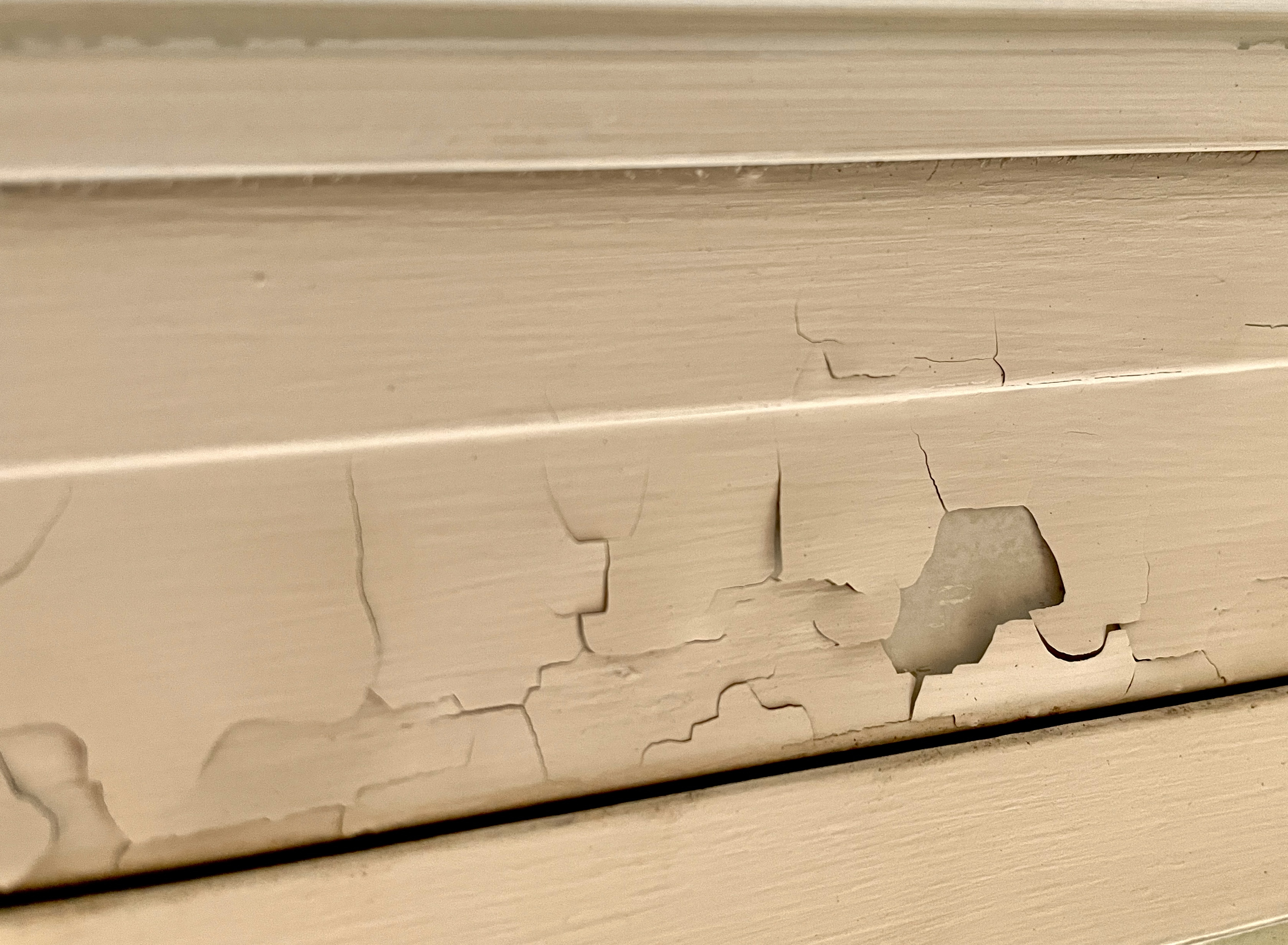
1. Characteristic Wastes: These exhibit at least one of four hazardous traits: ignitability (flammable, like gasoline), corrosivity (can rust or decompose materials, like car batteries), reactivity (unstable and can explode, like aerosol cans), or toxicity (harmful when ingested, like lead-based paint).

2. Listed Wastes: These are specific wastes from manufacturing and industrial processes that the EPA has officially designated as hazardous. They include byproducts from processes that use solvents, pesticides, and other chemicals.

3. Universal Wastes: These are commonly generated hazardous items that are subject to streamlined regulations. Examples include batteries, pesticides, mercury-containing equipment (e.g., bulbs), and some lamps.

4. Mixed Wastes: This category includes waste that contains both hazardous and radioactive components, making it subject to regulation by both the EPA and the Nuclear Regulatory Commission.

At-home lead tests can provide accurate results if used correctly, and if the kits are reputable and certified. They vary in sensitivity and methodology, influencing their accuracy. Follow instructions meticulously, ensuring proper sample collection and test execution. While they can detect elevated lead levels, for precise confirmation or if results are concerning, consider professional testing or lab analysis for comprehensive accuracy and guidance on addressing any issues.

DIY lead testing kits are available, but they often lack the accuracy and reliability of professional services. Professional testing is recommended for more accurate results, as properly certified testers can provide a thorough analysis, clear recommendations, and the necessary legal documentation if remediation is required.

Several different measurements may be used to determine the amount of lead in water. The most common unit of measurement is micrograms per liter (µg/L), which is the same as parts per billion. Another measurement is milligrams per liter (mg/L), which is the same as parts per million.

Professional lead removal involves identifying and safely removing or encapsulating lead-based paints and materials, using specialized equipment, and following strict safety procedures to minimize exposure and contamination.

The Mount Holly, VT homeowners’ guide to lead testing and removal services

From average costs to expert advice, get all the answers you need to get your job done.