




Top-rated asphalt driveway pros.

Get matched with top asphalt driveway pros in Mount Holly, VT

Enter your zip and get matched with up to 5 pros

Need a pro for your asphalt driveway service project in Mount Holly, VT?

Select your specific project to find the pro for you.

Find Asphalt driveway pros in Mount Holly

Avatar for Cornerstone Excavation LLC
Cornerstone Excavation LLC
5.0(
5
)

Serving Mount Holly, VT and surrounding areas

Approved

In business since 2025

Free estimates

Credit card accepted

"Christian is great! Although he’s young, he’s motivated and wants to work. He was very great at communicating with us throughout the project as well. Excited to see how he continues to grow in this field!"
Response time4 hrs
3 neighbors recently requested a quote
Avatar for D.R Guilmette Landworks
D.R Guilmette Landworks
New to Angi

Serving Mount Holly, VT and surrounding areas

Approved

In business since 2010

Free estimates

Credit card accepted

D.R Guilmette Landworks has extensive experience working with various areas of land developing. From building site preparation, to new patios for an existing home, our company can do it all.

22 neighbors recently requested a quote
Avatar for Mike D, Handyman
Mike D, Handyman
5.0(
2
)

Serving Mount Holly, VT and surrounding areas

In business since 1990

"Mike was very nice to work with. Professional and completed task in a very timely manner. Mike came the day I reached out for a handyman. I will definitely hire Mike again for other home maintenance."
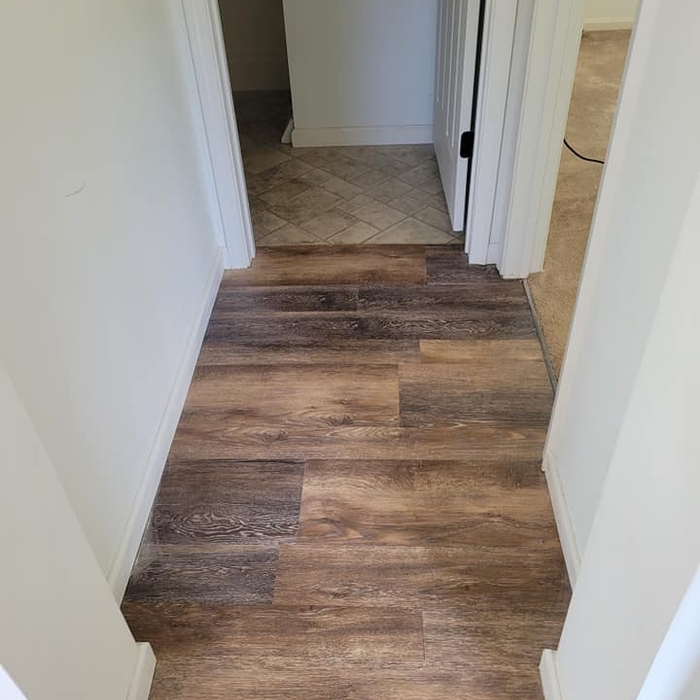
Floor After
Floor Before
Stairs After
Steps Before
Bathroom After

+4

Recommended by100%of homeowners
Showing 1-10 of 33
Asphalt Driveways questions, answered by experts

New asphalt goes through two stages: drying and curing. Drying typically takes 24 to 72 hours, after which the surface is solid enough for light use like walking or careful driving. While you may be able to park on it after 72 hours, the surface is still soft and should be treated gently. Full curing is a much longer process, taking anywhere from 30 days to a full year for the asphalt to reach maximum strength. During this extended curing period, the asphalt is susceptible to damage from heavy vehicles, sharp objects, and high temperatures. Factors like weather, the specific asphalt mix, and application thickness all influence drying and curing times. For the most accurate timeline and to ensure the longevity of your new asphalt, it is always best to consult with your installation contractor for their specific recommendations.

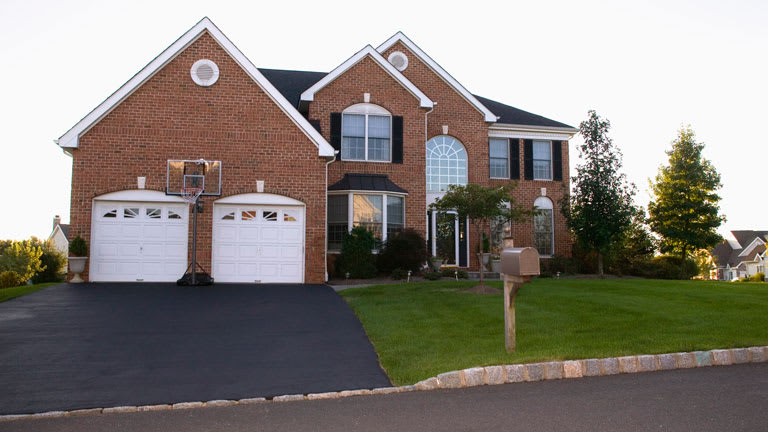
Common alternatives to a gravel driveway include concrete, asphalt, brick, stone pavers, and permeable pavers. Concrete and asphalt are generally the most affordable options. However, concrete can be prone to cracking in cold climates, while asphalt may soften in areas with high heat and direct sun exposure. For enhanced curb appeal, brick, stone, and permeable pavers are popular choices, though their installation can be more expensive due to intricate designs. Stone pavers offer a natural look and are sometimes installed with gravel around them. Both permeable pavers and brick driveways provide excellent drainage, which helps prevent flooding and reduce water runoff.

A driveway's lifespan varies by material. Asphalt driveways typically last 15 to 30 years, while concrete driveways last longer, between 20 and 50 years. The longevity of any driveway is affected by factors like extreme temperatures, heavy traffic, and the quality of maintenance. Regular upkeep, such as filling cracks, resealing the surface, and ensuring proper drainage, can help extend its life. For gravel driveways, regrading to fill in uneven areas every year or two is recommended.

It takes recycled asphalt 48 hours to initially harden and up to 3 months to fully cure. It’s best to stay off of recycled asphalt for at least 48 hours, then you can walk or drive standard vehicles on it. Hold off on driving heavy trucks or equipment on it for at least 7 days. Allowing the surface to melt together and harden ensures that the surface stays durable and long-lasting. 

Asphalt is not a type of concrete. While both are a common type of pavement, asphalt is composed of aggregates (like sand and gravel) and bitumen; concrete is a mixture of cement, aggregates, and water. Here are some of the key differences between asphalt and concrete driveways.

The Mount Holly, VT homeowners’ guide to asphalt driveway services

From average costs to expert advice, get all the answers you need to get your job done.