





Top-rated lead testing and removal specialists.

Get matched with top lead testing and removal specialists in Tinmouth, VT

Enter your zip and get matched with up to 5 pros

Need a pro for your lead testing and removal project in Tinmouth, VT?

Select your specific project to find the pro for you.

Find Lead testing and removal specialists in Tinmouth

Avatar for NU-Life Resources
NU-Life Resources
4.8(
128
)
Toxic Lead - Testing

Serving Tinmouth, VT and surrounding areas

Approved

In business since 2007

Free estimates

Emergency services offered

"Jeff did a thorough evaluation including moisture testing to determine if we had any issues and if he could be of service to us. We were provided an extensive amount of education on the subject and the best plan of action moving forward. I'd highly recommend NU-Life as your go to mold resource."
Additional Photos
Additional Photos
Additional Photos
Additional Photos
Additional Photos

+6

Response time7 hrs
4 neighbors recently requested a quote
Recommended by97%of homeowners

Lead Testing and Removal questions, answered by experts

According to the Environmental Protection Agency (EPA), hazardous waste is generally classified into four main categories:

1. Characteristic Wastes: These exhibit at least one of four hazardous traits: ignitability (flammable, like gasoline), corrosivity (can rust or decompose materials, like car batteries), reactivity (unstable and can explode, like aerosol cans), or toxicity (harmful when ingested, like lead-based paint).

2. Listed Wastes: These are specific wastes from manufacturing and industrial processes that the EPA has officially designated as hazardous. They include byproducts from processes that use solvents, pesticides, and other chemicals.

3. Universal Wastes: These are commonly generated hazardous items that are subject to streamlined regulations. Examples include batteries, pesticides, mercury-containing equipment (e.g., bulbs), and some lamps.

4. Mixed Wastes: This category includes waste that contains both hazardous and radioactive components, making it subject to regulation by both the EPA and the Nuclear Regulatory Commission.

With regular testing, treatment, and maintenance, water from a community well should be safe to drink. Unfortunately, the EPA does not regulate private wells, and contamination can happen. 

If you have doubts about the quality and safety of your drinking water, you have options for testing. You can pick up kits from your local home supply store or harvest samples and send them to a local testing facility. To get the most complete water quality testing and system diagnosis, seek a local well professional. They know what to test for and can recommend and implement a longer-lasting solution.

Determining if your water main contains lead involves a few steps. First, check the age of your property, as homes built before the 1980s might have lead pipes. Contact your water utility company for information on your service line material. Then, you can hire a professional plumber to conduct an inspection or use a lead testing kit to analyze water from the main line.

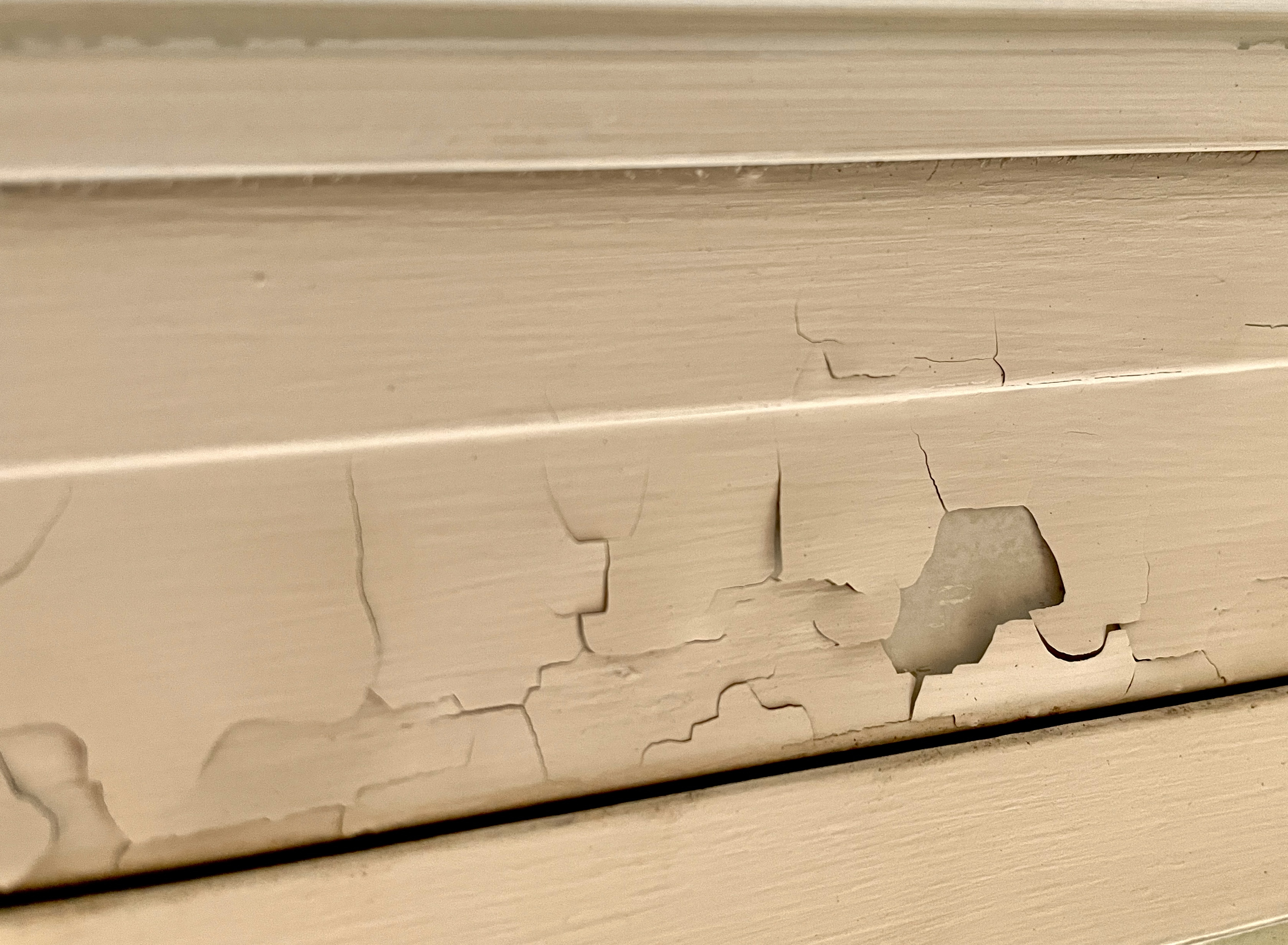
Lead paint test kits are not always accurate. Several factors can play into why a test kit provides an inaccurate result such as user error, sample viability, the age and condition of the paint, or difficulty interpreting the final result. If you are looking for 100% accuracy, hiring a professional lead paint test is the only way to get that piece of mind.

Lead testing prior to purchasing a property ensures that the new owners are informed about potential hazards, prevents health risks associated with lead poisoning, and facilitates timely remediation.

The Tinmouth, VT homeowners’ guide to lead testing and removal services

From average costs to expert advice, get all the answers you need to get your job done.