




Top-rated lead testing and removal specialists.

Get matched with top lead testing and removal specialists in Wells, VT

Enter your zip and get matched with up to 5 pros

Need a pro for your lead testing and removal project in Wells, VT?

Select your specific project to find the pro for you.

Find Lead testing and removal specialists in Wells

Avatar for NU-Life Resources
NU-Life Resources
4.8(
128
)
Toxic Lead - Testing

Serving Wells, VT and surrounding areas

Approved

In business since 2007

Free estimates

Emergency services offered

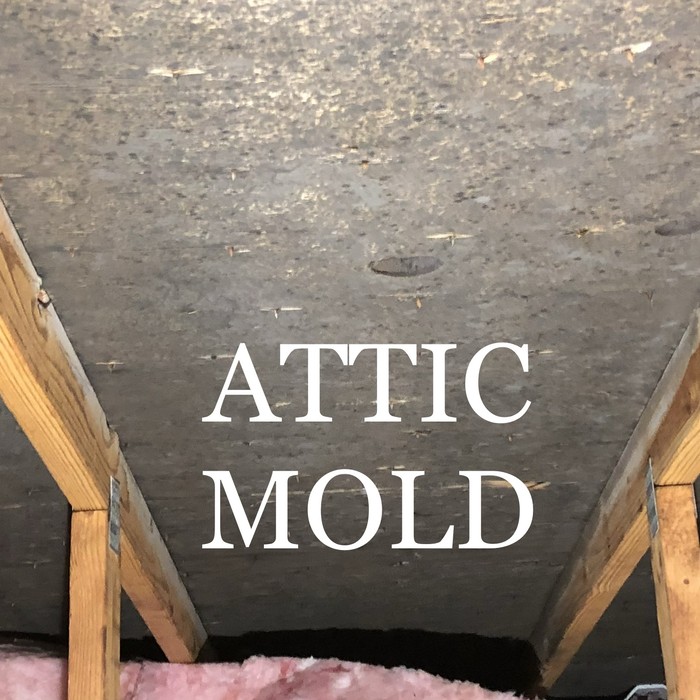
"Jeff did a thorough evaluation including moisture testing to determine if we had any issues and if he could be of service to us. We were provided an extensive amount of education on the subject and the best plan of action moving forward. I'd highly recommend NU-Life as your go to mold resource."
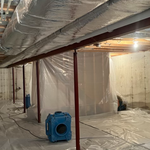
Additional Photos
Additional Photos
Additional Photos
Additional Photos
Additional Photos

+6

1 neighbors recently requested a quote
Recommended by97%of homeowners

Lead Testing and Removal questions, answered by experts

According to the EPA, there is no safe level of lead in the blood, and so the maximum contaminant level goal (MCLG) for lead in water is zero. Even at low levels, lead is harmful to human health. It can also remain in the body and build up over time with repeated exposure.

Costs depend on test type, home size, number of testing locations, and whether follow-up testing is required.

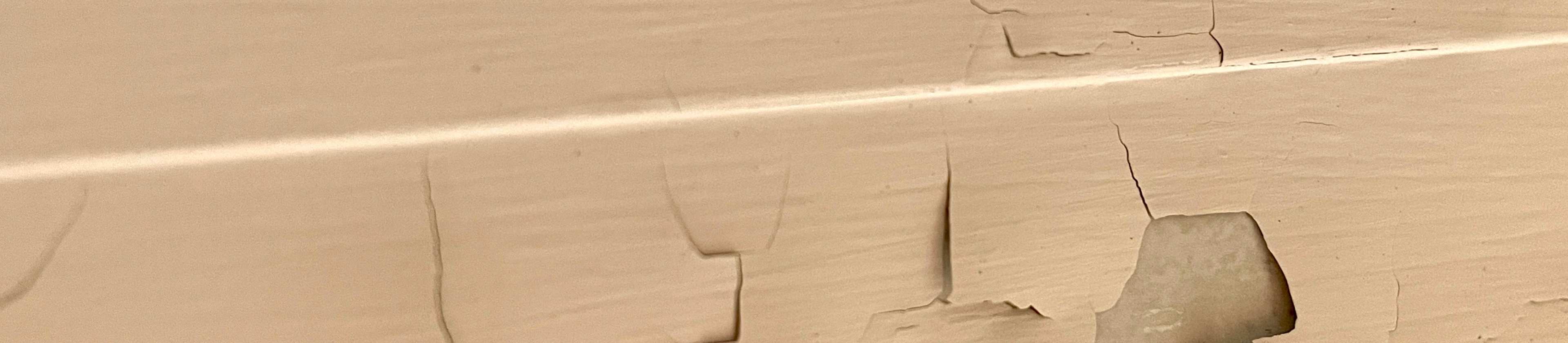
A lead paint inspection is a thorough examination and assessment of a building or structure to determine the presence of lead-based paint. Lead-based paint was commonly used in buildings before 1978 when its health hazards were fully understood. Lead is toxic and can pose health risks, particularly to young children and pregnant women. Getting a lead paint inspection means finding a lead paint inspector to examine the surfaces of the building—such as walls, ceilings, doors, windows, and other painted areas—and identify the presence of lead-based paint.

While not all homes built before 1978 contain lead paint, enough do, so you’ll still want to test to be on the safe side. The federal government banned lead-based paint for homes in 1978, but your state may have banned lead before that time. Around 24% of homes built between 1960 and 1977 contained lead-based paint, while 87% of homes built before 1940 contained lead-based paint.

Exterior paint contains a higher level of VOCs, which can be dangerous if you’re exposed to it for a long period of time. The good news is that paint’s toxicity reduces significantly once fully dried and cured. Do not keep open exterior paint cans in your home, basement, or garage, exposing your household to harmful chemicals over time.

The Wells, VT homeowners’ guide to lead testing and removal services

From average costs to expert advice, get all the answers you need to get your job done.