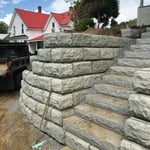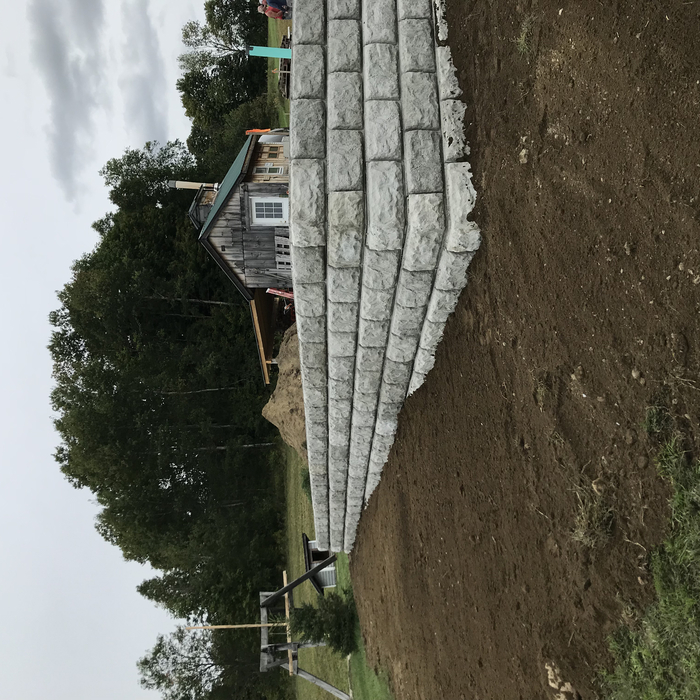




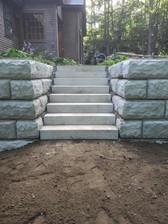
Top-rated retaining wall installation pros.

Best retaining wall installation pros near Barnet, VT

Enter your zip and get matched with up to 5 pros

Need a pro for your retaining wall installation project in Barnet, VT?

Select your specific project to find the pro for you.

Top-Rated Retaining wall installation pros in Barnet - Updated Nov 2026

Avatar for R.A.M. Contracting, Inc.
R.A.M. Contracting, Inc.
3.8(
6
)
Retaining Wall - Install

Serving Barnet, VT and surrounding areas

In business since 1998

Free estimates

Emergency services offered

"The company representative stated to me that they only do commercial properties and not residential homes. I was not aware of that from the company's description. They did respond to my calls."
Response time1 day
Recommended by100%of homeowners
Showing 1-10 of 11
Retaining Wall Installers FAQs, answered by experts

DIY is possible for small projects. Professional installation ensures structural integrity and durability for larger walls.

Sand and gravel are two suitable options for filling behind a retaining wall. If you’re building your own retaining wall, you’ll complete this part of the process—known as backfilling—after you finish laying the blocks. Make sure not to skip it—otherwise, you could wind up with drainage issues, which can cause your retaining wall to collapse.

Each design is different, so we can’t say definitively if you’ll need a dedicated drainage system in place for a two-foot retaining wall. However, you can likely skip the drainage, as this project is typically served for walls that are 4 feet tall or more. Even with a relatively low wall, consider drainage if you are building on top of clay or poor-draining soil types or if there are buried water sources nearby, like a well used for other outdoor garden projects.

Railroad ties can be good for retaining walls, but it depends on the area. They have a desirable rustic look and are durable. The problem is they’re treated with creosote, a preservative the EPA says poses a risk to humans and wildlife. Over time, the preservative seeps out of the wood and into the ground. Many areas have banned the use of creosote-treated wood on residential properties. If your area does allow it, never use railroad ties near an edible garden or drinking water source. Instead, use wood that’s treated with an EPA-approved preservative or a wood-alternative composite material.

Generally speaking, a retaining wall should be between 3 and 4 feet high, depending on variables such as the wall-building material, the purpose of the retaining wall, and more. If you want your retaining wall to be taller than 4 feet, check with your local building ordinance office for the maximum allotment. You may also need a special permit for retaining walls over 4 feet tall.

The Barnet, VT homeowners’ guide to retaining wall installation services

From average costs to expert advice, get all the answers you need to get your job done.