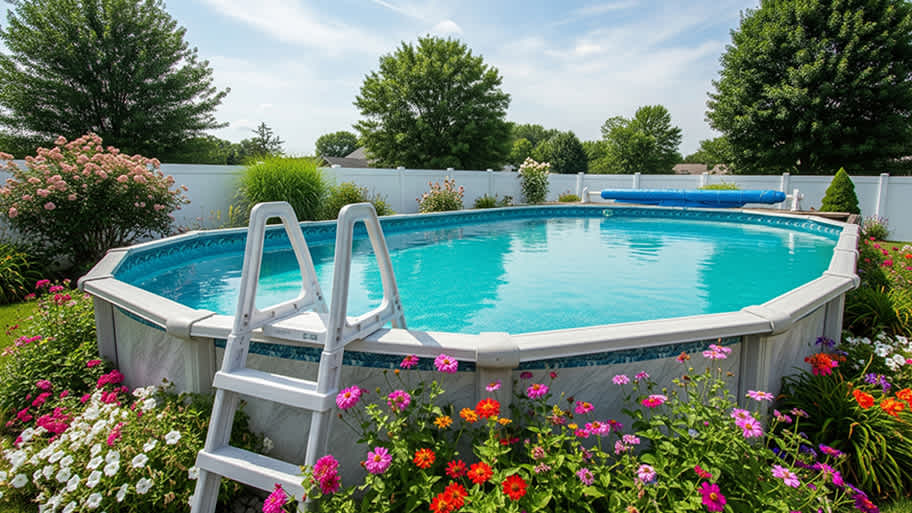







Top-rated above ground pool installation pros.

Best above ground pool installation pros near Alburgh, VT

Enter your zip and get matched with up to 5 pros

Need a pro for your above ground pool installation project in Alburgh, VT?

Select your specific project to find the pro for you.

Top-Rated Above ground pool installation pros in Alburgh - Updated Nov 2026

Avatar for Dylan Hoyt
Dylan Hoyt
5.0(
2
)
Above Ground Swimming Pool or Accessories - Repair or Service

Serving Alburgh, VT and surrounding areas

Emergency services offered

Credit card accepted

Offers commercial services

I'm a Certified Pool Operator (CPO) with 16 years of hospitality experience and a decade of executive facilities management at Vermont resorts and hotels — which means I've spent my career being accountable for pools, not just working on them. Every job I do comes with a written CPO report delivered the same day: equipment condition, water chemistry findings, and anything that needs attention before it becomes a problem. I work across all of Vermont with a focus on Stowe, Killington, and the Lake Champlain corridor, and I bring the same professional standard to a single residential opening as I do to a commercial property. Licensed, insured, and built for clients who want someone they can rely on — not just someone who's available.

Install Above Ground Pools FAQs, answered by experts

Generally, you do not need to drain your pool to convert it to a saltwater system. The main exception is if you have used an antibacterial agent containing polyhexamethylene biguanide to sanitize your pool, as these sanitation products do not mix well with saltwater systems. If this is the case, you will need to start fresh. You can either drain the pool or treat the existing water with a high dose of chlorine to remove the antibacterial agent. If you choose the chlorine treatment, wait several days to allow the chlorine to work before proceeding with the conversion. If you are unsure whether this applies to your pool, consult a pool technician.

Pool chemical levels should include a pH between 7.4 and 7.6, alkalinity between 80 to 120 ppm, and chlorine from 1 to 3 ppm. The size and type of your pool determine additional chemical levels, such as stabilizers and pool shock, but you can get to know these numbers using our pool maintenance 101 guide.

Common problems include liner tears, pump malfunctions, and algae buildup. Regular maintenance prevents many issues.

Yes, you will need to shock your pool with high levels of chlorine or bromine when you first fill it to kill off bacteria and pathogens. You’ll need to wait for the chlorine concentration to come back down to a safe level before swimming. After that, you can test and maintain the chlorine and other levels as normal. The only exception to this is if you get pool water delivered by a professional. In that case, the water might come pretreated, so you might not need to shock it.

It’s a good idea to run the pool pump while swimming because your filter and skimmers will be active to help keep the water clean. Additionally, if you have pool features, you would naturally keep those pumps running while you swim. However, it’s not a requirement to run your pump while you swim.

The Alburgh, VT homeowners’ guide to above ground pool installation services

From average costs to expert advice, get all the answers you need to get your job done.