Top-rated radon detection and reduction specialists.

Get matched with top radon detection and reduction specialists in Union Hall, VA

Enter your zip and get matched with up to 5 pros

Need a pro for your radon detection and reduction project in Union Hall, VA?

Select your specific project to find the pro for you.

Find Radon detection and reduction specialists in Union Hall

Adam Cox
New to Angi

Serving Union Hall, VA and surrounding areas

Approved

Small jobs welcome

Offers commercial services

Armed with more than 10 years of education, training, and hands-on experience in the environmental industry, I’m proud to provide professional environmental inspection services throughout North Carolina. I am licensed by the NC DHHS for asbestos inspections and certified in mold assessment, with additional experience in a wide range of environmental concerns and indoor air quality solutions.\n\nBecause I operate with low overhead costs, I’m able to offer high-quality services at fair and reasonable prices.\n\nFree consultations are always available — call today to discuss your project or concerns. Thanks for considering us!

Radon Detection and Reduction questions, answered by experts

No level of radon is technically safe, but since it is present everywhere, complete avoidance is impossible. The average radon level in homes across the United States is 1.3 picocuries per liter (pCi/L). The Environmental Protection Agency (EPA) recommends taking preventative measures if your home's radon levels are between 2 and 4 pCi/L or higher.

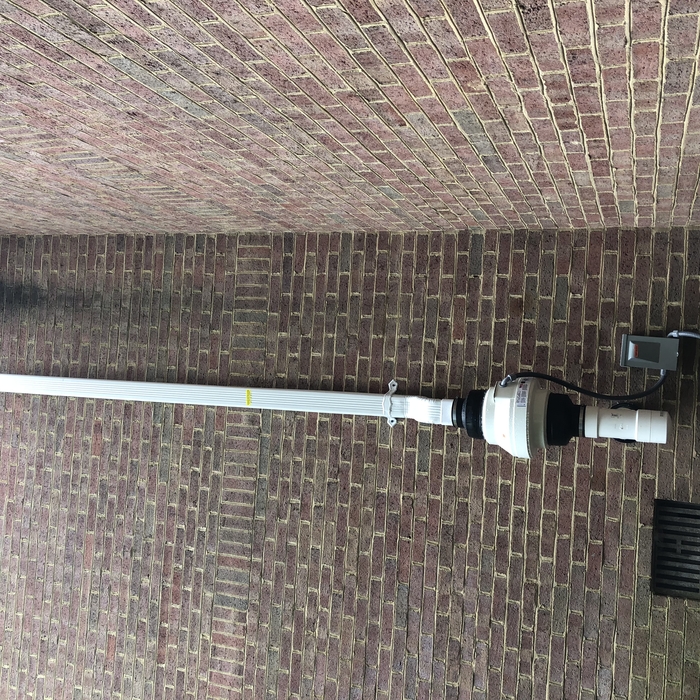
The fan that pulls the radon out of the air needs to run continuously, so you may see an increase in your electric bill once you install the mitigation system. Additionally, you may see an increase in your heating or cooling bills, as the fan can cause some loss of hot or cool air.

No level of radon is technically safe, but since it is naturally present everywhere, it is impossible to avoid entirely. The average radon level in homes across the United States is 1.3 picocuries per liter (pCi/L). The Environmental Protection Agency (EPA) recommends taking action to reduce radon levels if your home's test results are between 2 and 4 pCi/L or higher.

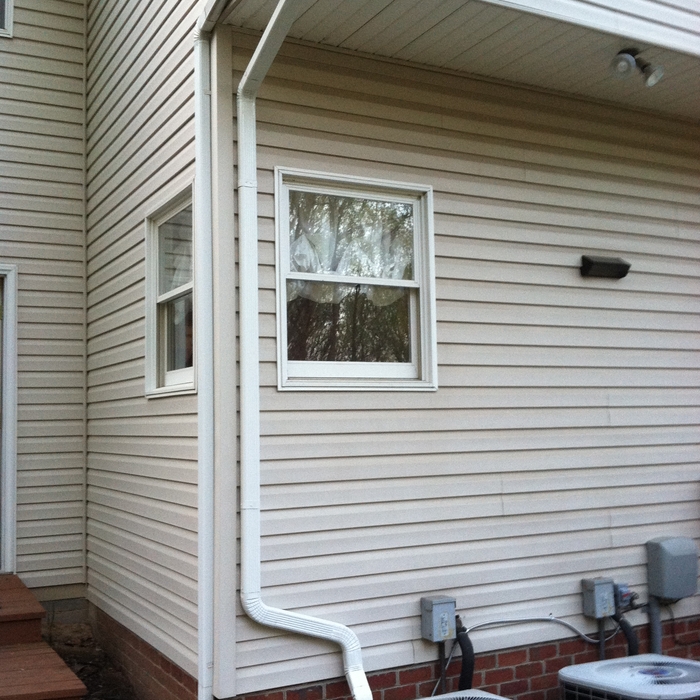
The soil beneath your house is most likely what’s causing an increased level of radon. This is because soil holds radioactivity for a long time and it’s also what most buildings are built on. Another common source of radon is water from a source that hasn’t been through periodic radon tests, such as well water. Over time, the radon from the soil can inhabit other parts of your house like the foundation or plumbing.

No, radon mitigation systems do not decrease home value or make a home harder to sell. In areas where homes experience similar radon exposure risks, a radon mitigation system is viewed as an improvement. Potential homebuyers often opt to buy a home with a radon mitigation system already installed to reduce the risk of cancer for their families.

The Union Hall, VA homeowners’ guide to radon detection and reduction services

From average costs to expert advice, get all the answers you need to get your job done.

What do you need done? We’ll find top pros.
  • 🌱 "Mow a small front yard"
  • 🛠 "Fix a leaking pipe under the sink"
  • 🏠 "Repair shingles on an asphalt roof"