

Top-rated radon detection and reduction specialists.

Get matched with top radon detection and reduction specialists in Lynch Station, VA

Enter your zip and get matched with up to 5 pros

Need a pro for your radon detection and reduction project in Lynch Station, VA?

Select your specific project to find the pro for you.

Find Radon detection and reduction specialists in Lynch Station

Avatar for Radon Specialists, LLC
Radon Specialists, LLC
4.8(
54
)
Radon Gas - Abatement

Serving Lynch Station, VA and surrounding areas

Approved

In business since 2012

Free estimates

Customers say: True professional

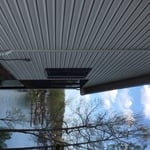
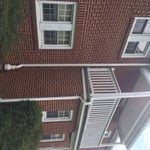
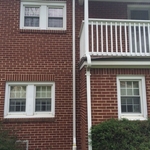
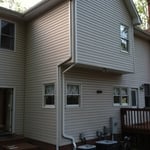
"You can have complet confidence that Radon Specialists will produce the desired result. Our radon long term average went from 7 pc/L to 0.4 pc/ L. We are very relieved. The workmanship of the mitigation system is professional grade and the process was completely unobtrusive."
Smith Mountain Lake
Rear of House
Rear of House
Typical Installation

+7

Response time10 hrs
Response rate91%
Recommended by94%of homeowners
Adam Cox
New to Angi
Radon Gas - AbatementRadon Gas - Testing

Serving Lynch Station, VA and surrounding areas

Approved

Small jobs welcome

Offers commercial services

Armed with more than 10 years of education, training, and hands-on experience in the environmental industry, I’m proud to provide professional environmental inspection services throughout North Carolina. I am licensed by the NC DHHS for asbestos inspections and certified in mold assessment, with additional experience in a wide range of environmental concerns and indoor air quality solutions.\n\nBecause I operate with low overhead costs, I’m able to offer high-quality services at fair and reasonable prices.\n\nFree consultations are always available — call today to discuss your project or concerns. Thanks for considering us!

Expert Home Inspections, LLC
5.0(
4
)
Radon Gas - Testing

Serving Lynch Station, VA and surrounding areas

In business since 2000

Free estimates

Credit card accepted

Welcome to Expert Home Inspections! We are the premier professional home inspection company offering the highest quality, and most attentive customer service. We are known to pay exquisite attention to detail, while making customer satisfaction our top priority. Please call us today to schedule your appointment! 540-586-3216

Response time4 days
Response rate100%
Recommended by100%of homeowners
Radon Detection and Reduction questions, answered by experts

While DIY testing is possible, abatement generally requires professional installation to ensure efficacy and meet safety standards.

No level of radon is technically safe, but since it is present everywhere, complete avoidance is impossible. The average radon level in homes across the United States is 1.3 picocuries per liter (pCi/L). The Environmental Protection Agency (EPA) recommends taking preventative measures if your home's radon levels are between 2 and 4 pCi/L or higher.

The soil beneath your house is most likely what’s causing an increased level of radon. This is because soil holds radioactivity for a long time and it’s also what most buildings are built on. Another common source of radon is water from a source that hasn’t been through periodic radon tests, such as well water. Over time, the radon from the soil can inhabit other parts of your house like the foundation or plumbing.

You can vent radon out of your house sometimes by simply opening a window, but it won’t remove the source, and will likely rise above recommended levels quickly. A professional will be needed to assess your home, and determine the best strategy for radon removal. Active radon sump pumps and soil depressurization systems are often used to forcefully vent the radon from your home.

Keeping radon from getting into your home is much better than having to get rid of it once it's already indoors. While there may not be a way to fully prevent radon from getting into your home, there are things you can do to reduce the gas's ability to enter. 

Sealing foundation cracks and openings can help keep the gas from seeping inside. Improving air flow, such as by opening windows, can also be helpful. If you're building your home from scratch, talk to your contractor about using radon-resistant construction to keep the gas out.

The Lynch Station, VA homeowners’ guide to radon detection and reduction services

From average costs to expert advice, get all the answers you need to get your job done.