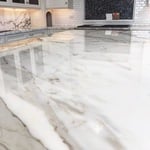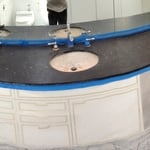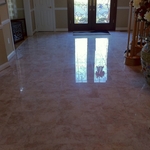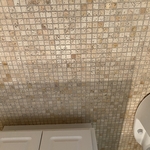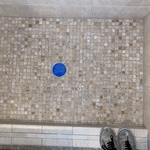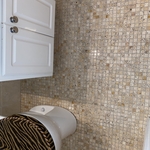






We take great pride in our experience, expertise, quality, and customer service that we provide to meet the consumer's needs. It is our mission to provide excellent workmanship and complete customer satisfaction from start to completion of a project. In order to understand the needs and expectations of our customers, we take great care to work and communicate with every customer in a professional manner. Our reputation is based on service, safety, and quality, regardless of how large or small the job.\n\n
"Great job. On time actually a little early. Freddy is a very competent personable guy who does a great job. He is very concerned with making sure the customer is satisfied with the job. I was."
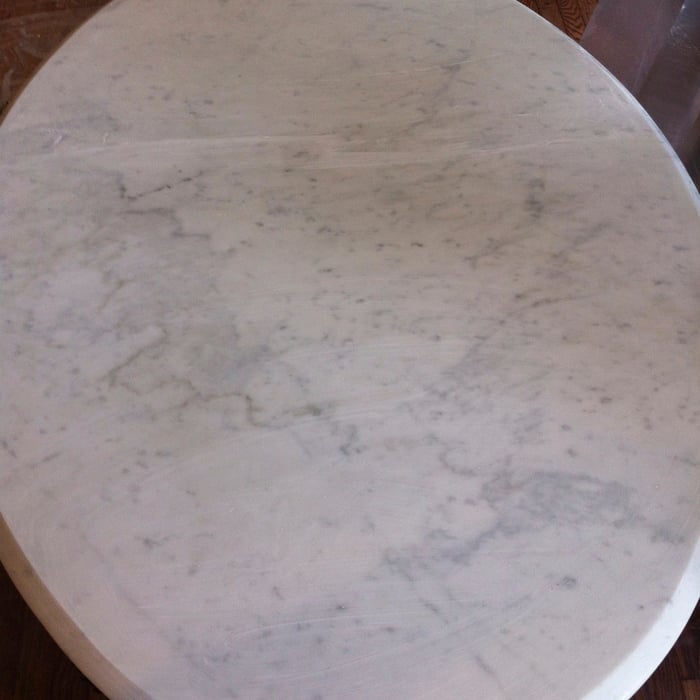
"I cannot recall giving a perfect score but this team deserves one. The price was almost too good causing me to study their prior reviews and web site. I am delighted I did so because it is clear the prior reviews were on the mark. They came on time -- even a bit early. They taught me lessons about how to protect marble. Responded to my adding a new task on the spot. VERY Pleased !!"
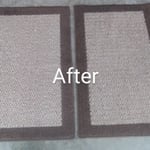
"Morris was an excellent choice for our project. He communicated throughout the process and performed the carpet cleaning on time, on budget and with excellent results."
No, you cannot use vinegar to polish marble. It is too acidic for cleaning or polishing and can etch the surface. Instead, opt for non-acidic cleaners made specifically for marble. Follow the manufacturer’s directions to ensure proper application and to protect the marble. However, a damp mop can be an effective marble cleaner when used appropriately and as long as moisture is immediately soaked up.
Marble is a porous natural stone that needs sealant to minimize staining. Leaving this type of countertop material sealant-free means any liquids left on the surface will quickly absorb into the stone, discoloring it and dulling the sheen. Dark or acidic liquids, like red wine, coffee, and lemon, are the worst culprits.
Deciding between marble and granite for kitchen countertops depends on your personal priorities, budget, and style. Both materials have similar costs for material and installation.
Marble offers a luxurious aesthetic and timeless beauty, but it is more expensive and requires more maintenance. It is susceptible to staining and etching from acidic substances like coffee, wine, or tomato sauce if spills are not cleaned up quickly.
Granite is highly durable, heat-resistant, and easier to maintain, making it a practical choice for busy kitchens.
Both materials should be sealed to protect against damage, but they can still be vulnerable to stains if spills are left on the surface for too long.
A water-based, low- or no-VOC sealer is typically a good choice for marble countertops. Choose a sealant that is certified safe for contact with food when applying to kitchen countertops. For high-traffic areas, look for formulas that have heat-resistant and acid-resistant features. While there are economical and convenient spray-on sealers, they don’t coat the surface as effectively as the ones you apply with a pad or brush.
Marble countertops don’t necessarily crack easily. However, they are more susceptible to damage than some other types of countertops. For example, they can develop etching from acidic liquids, such as lemon or tomato juice. Marble can also chip at the edges if you drop a heavy pan. A faux marble countertop isn’t as delicate as the real deal (depending on the material you’re painting over), but it can still get scratched if you’re not careful. Use hot pads and cutting boards to protect the countertop.
The Sutherland, VA homeowners’ guide to marble restoration services
From average costs to expert advice, get all the answers you need to get your job done.
Not sure how to clean marble in your home? From floors and tables to countertops and showers, learn how to make marble shine and fix stains and scratches.