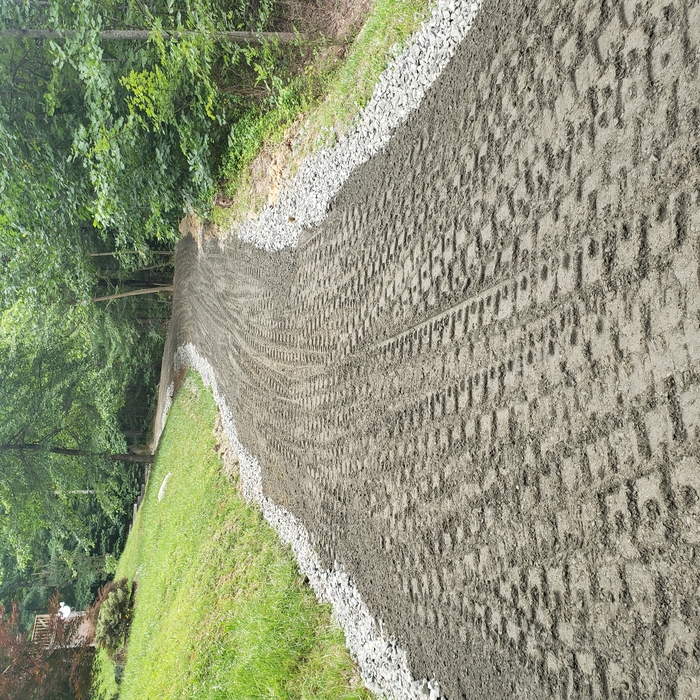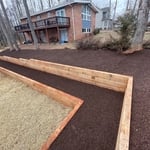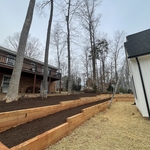






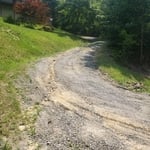
"I highly recommend Dave Eddins. He has rescued us several times now when our sloping gravel driveway was damaged in extremely heavy rains. He has been personable and prompt, and his rates are quite reasonable. We think he is aces!"
"Nick did a phenomenal job! He responded to my call & came to our house for a in person walk thru of the job. While on our property He noticed safety concerns with our septic drain field we were unaware of. His bid on the job was emailed in a timely manner & when the weather allowed He & his crew came out & knocked out the job, as well as, bringing our septic system to safety standards. I highly recommend him for your Excavation jobs. Truly Professional & Knowledgeable."
"Justin did an awesome job cutting in and mulching all my landscaped areas! He is polite and hard working,understood exactly what I wanted done, and did so in a prompt and experience manner . I would definitely hire him again. Thank you Justin W. Kim C."
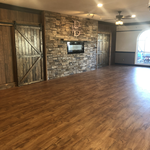
"Bradley Builders responded quickly but were unavailable to complete work for 2 months. They referred me to a flooring company and I am in the process of getting the job done. I was impressed with Bradley's professionalism and responsiveness."
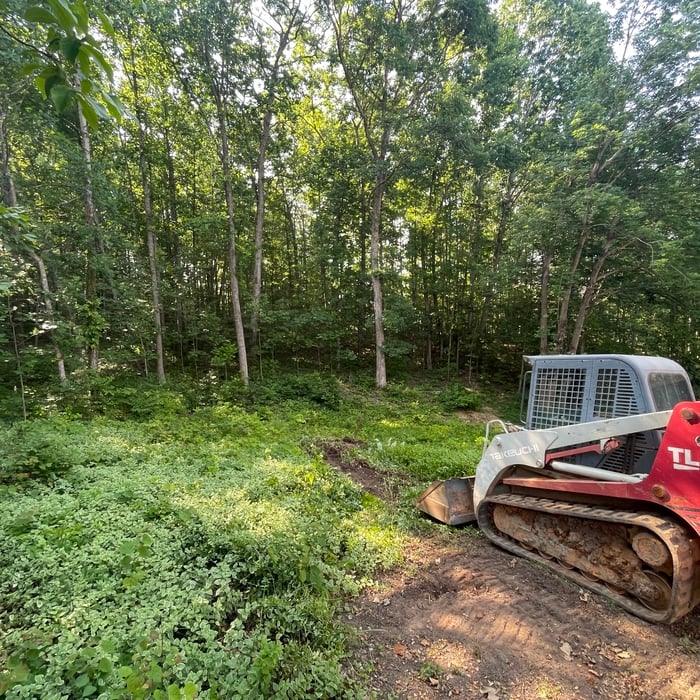
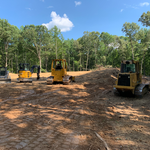
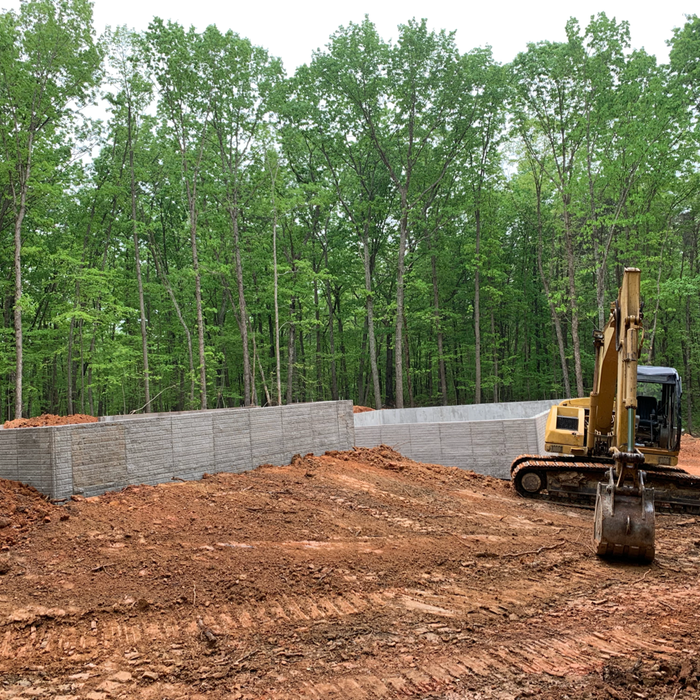
"It was an absolute pleasure working with RND Construction. I have used other companies before to clear house lots but I have now found my go to company for future house building endeavors. I have also hired them to do all my dirt work, they’re professionalism is unmatched and I can not wait to work with them again! Nick and Russel will certainly take care of you!"
Sewer lines can be buried anywhere from 18 inches to 8 feet deep, with a common average depth between 18 and 30 inches. The exact depth depends on local factors like climate and soil type. In colder regions, pipes must be buried deeper (below the frost line) to prevent freezing, sometimes as deep as 8 feet. The digging depth can also impact the cost of sewer line replacement. To find the specific depth for your property, you can check the building plans for your system, which should be on file with your city or local sanitation department since permits are required for installation.
Trenchers can dig holes as narrow as 4 inches or as wide as 4 feet. Check the specifications of the trencher you rent or buy to determine how wide it will cut into the landscape. Better yet, let the excavation company know how wide you’d like the trench to be, and they can help you choose the right trencher for the job (or do it for you).
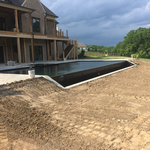
Most professional excavation teams will charge between $8 and $15 per cubic yard. Calculate the cost by finding the volume of your pool—width x length x depth—and dividing it by 27. Then, multiply the price by the cubic yards from your equation. Budget for complications like a rocky lawn, hard-to-access pool area, or high local labor prices.
It can take several weeks for the ground to settle after removing a tree, and the soil under larger, more mature trees can take months. The deeper the tree has been ground under the soil, the longer it will take to settle. However, this extra depth can help you plant new landscaping sooner because you’ll have more space for fresh soil.
Some two-in-one tools and machines do both jobs, and those could be the right solution for smaller residential projects. However, the phrase “use the right tool for the job” definitely applies to digging. For the best results, get two separate tools for your trenching and landscape edging projects or call a pro to take care of everything for you.
The Rochelle, VA homeowners’ guide to excavation services
From average costs to expert advice, get all the answers you need to get your job done.
Excavation costs $1,500 to $6,300 for most residential projects—but it depends on factors like the size of the area. This guide will help you plan a budget.
You can't have an in-ground pool without digging into the ground. How much does pool excavation cost, and can you take it on yourself? Our guide explains.