


Top-rated excavation pros.

Get matched with top excavation pros in Ringgold, VA

Enter your zip and get matched with up to 5 pros

Need a pro for your excavation project in Ringgold, VA?

Select your specific project to find the pro for you.

Find Excavation pros in Ringgold

Avatar for Walker Boy Landscaping LLC
Walker Boy Landscaping LLC
4.0(
78
)
Building Site - Preparation and ClearingBuilding Site - Preparation and Clearing - For BusinessExcavation - Major Grading or Resloping+2 more

Serving Ringgold, VA and surrounding areas

In business since 2012

Free estimates

Credit card accepted

"It was good. There were certain things that weren't covered under the plan. I'm not sure if they cut the bushes down in the back around the fence. I had to pay extra for that. They should try get me to know the schedule so I know when they're coming and when they're not coming. Other than that, it takes time to get the workers together. I like Patrick and he's the owner. The thing in the firepit was included with the mulch but he said I had to pay for the materials."
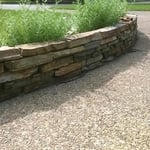
Rock Wall Installations
Stripes
Recommended by72%of homeowners

Bolt Excavating
New to Angi
Building Site - Preparation and ClearingExcavation - Major Grading or Resloping

Serving Ringgold, VA and surrounding areas

In business since 2002

Free estimates

Bolt Excavating, has the equipment and knowledge, to do your excavation job efficiently and safely. As the owner, Phillip Bolt, will be on your job site, running the equipment and making sure the job gets done right. Bolt Excavating, has both large and small equipment. We can coordinate with other contractors, to get the job timed right so everyone is happy.

Response time5 days
Hackney’s Excavating
New to Angi
Building Site - Preparation and ClearingBuilding Site - Preparation and Clearing - For BusinessExcavation - Major Grading or Resloping+2 more

Serving Ringgold, VA and surrounding areas

In business since 1993

Free estimates

Emergency services offered

Hackney’s Excavating is committed to excellence in every aspect of our business. We uphold a standard of integrity bound by fairness, honesty, and personal responsibility. Our distinction is the quality of service we bring to our customers. Accurate knowledge of our trade combined with ability is what makes us true professionals. Above all, we are watchful of our customers' interests, and make their concerns the basis of our business.

Showing 1-10 of 24
Excavating questions, answered by experts

Most residential basements are 8 to 10 feet deep. You can dig deeper depending on building codes, but it does become more difficult. You’ll likely need to install stronger foundation walls and additional supports to handle the increased load. Depending on the water table, you may also need a water management system. Clay soil can support a deeper foundation than sandy soil. A structural engineer will be able to tell you the maximum, feasible depth.

Septic drain lines (or leach lines) are typically buried between 18 and 36 inches underground, and should be at least 6 inches below the surface. These pipes are perforated and surrounded by filtering materials like sand or gravel. Burying the lines at this depth helps minimize odors and allows bacteria and other biological processes in the soil to effectively treat the wastewater. Burying lines too close to the surface can cause issues unless the soil is very compact and stable.

Hardscaping often requires preparation of the ground in the area where the feature is being installed. This can include digging, compacting, and leveling the soil, ensuring adequate drainage, and removing any existing plants. The extent of preparation needed will depend on the type and size of the hardscaping feature being installed.

Trenching and boring are two distinct methods for installing underground utilities. Trenching involves digging a channel using equipment like an excavator, trencher, backhoe, or shovel. While it is a simpler process, it causes significant disruption to the surface, landscaping, and surrounding ecosystems.

Boring, also known as directional boring, is a less invasive alternative that uses a drill to create a tunnel for utility lines without disturbing the surface. This method is more precise and is ideal for installations that need to go underneath buildings, roads, or bodies of water. Although boring is less disruptive, it is generally more expensive than trenching.

Call 811 to locate and mark the gas lines at least three days before digging. In many areas, you can dig within 18 inches of the lines, though in some locations, the distance may be further. Check local regulations, as you may need a utility company representative onsite when digging. Document your calls to 811 and precautions taken to avoid gas lines. A homeowner can be held liable for hitting a gas line in some cases, but contacting the proper authorities and following all guidelines can offer protection.

The Ringgold, VA homeowners’ guide to excavation services

From average costs to expert advice, get all the answers you need to get your job done.