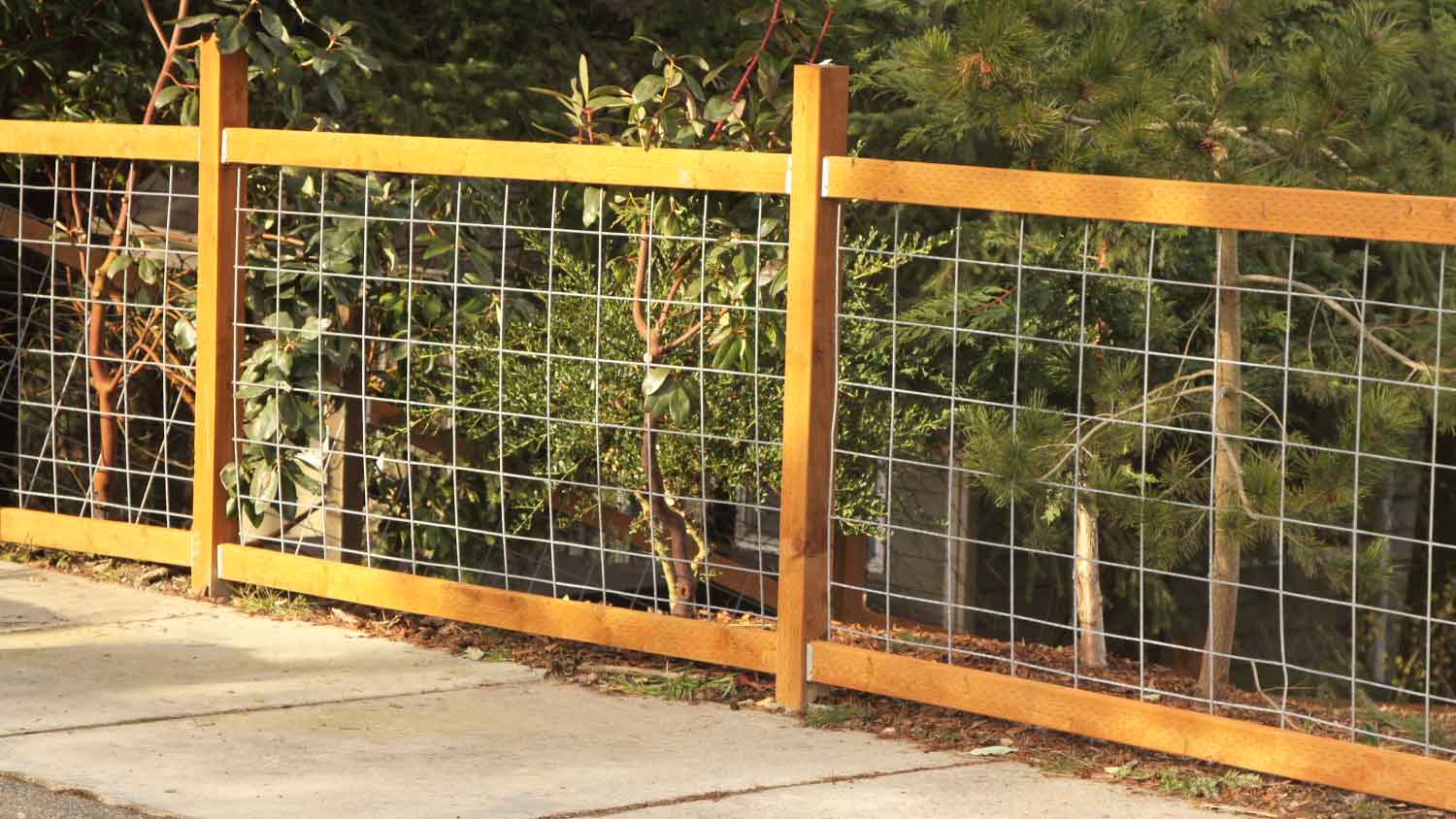
"Chad quoted our project and he was knowledgeable about the design and materials needed for our fence. The team showed up on time and installed the fence in two days. They made sure everything was cleaned up before leaving. Outstanding customer service and communication. Thank you!"
"Chris & his entire team were extremely professional, polite, efficient & did a great job! Plus they stayed in budget!!! I would recommend them to any & everybody!"
Although raccoons aren’t particularly picky regarding food, certain sounds, metals, and smells bother them. You can place these items around your home to keep raccoons away:
Place wire mesh screens around and underneath decks and porches to prevent raccoons from nesting.
Put metal sheeting around the edges of your roof or at the base of trees to deter raccoons from coming close.
Place a loud battery-operated radio near the raccoon’s den to keep them from nesting.
Keep a bowl of cider vinegar on your deck or porch.
Remove old raccoon scents by thoroughly cleaning and disinfecting underneath porches and decks.
There are quite a few opinions regarding using coffee grinds to keep deer out of your garden, with many people convinced of this method. It makes sense that it could work considering deer have a strong sense of smell and likely do not like the smell of coffee grounds. However, there’s no hard evidence supporting the notion that coffee grounds keep deer away, but it may be worth trying.
Whether you should stay in the home during a pest control service depends on the type of treatment. Some types allow you to stay, while others such as fumigation will require you to leave your home. The pest control company will provide specific instructions for the type of service that will be done to ensure you follow the proper protocol to keep you and your family safe.
Moles breed once a year, marking March on their calendars as peak season. However, their breeding season can start as early as February and wrap up in May. Their gestation period is 4 weeks, with litters ranging from 2 to 6 little ones. They are considered all grown up by the three-month mark, making them ready for parenthood.
Attempting to squish a scorpion by hand or foot isn’t a good idea, as many can flatten themselves and survive a simple strike—plus, they’ll be provoked and very likely to sting. Instead, it's best to use a sharp or heavy object to pierce or crush the exoskeleton with force. Always wear protective clothing, including thick gloves, pants, and closed-toe shoes, to avoid being stung. Use long tweezers, scissors, or a knife to pierce the exoskeleton or crush it with a heavy object, making sure to twist or press down firmly to ensure the scorpion is truly dead.
The Meadowview, VA homeowners’ guide to animal fencing services
From average costs to expert advice, get all the answers you need to get your job done.
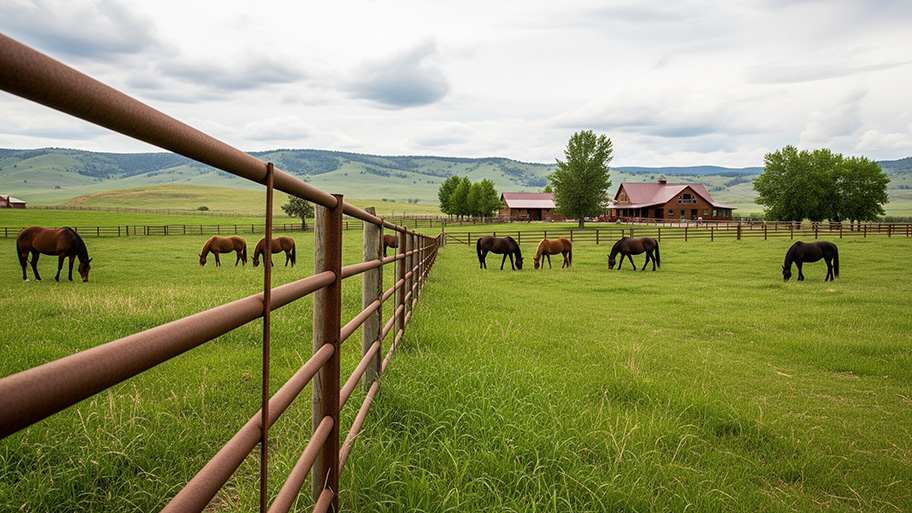
Pipe fencing is an extremely strong, durable option for containing horses and other livestock. This guide breaks down the factors that affect pipe fence cost.