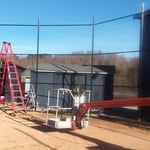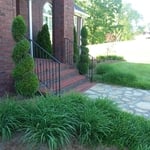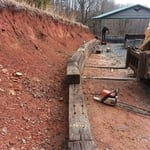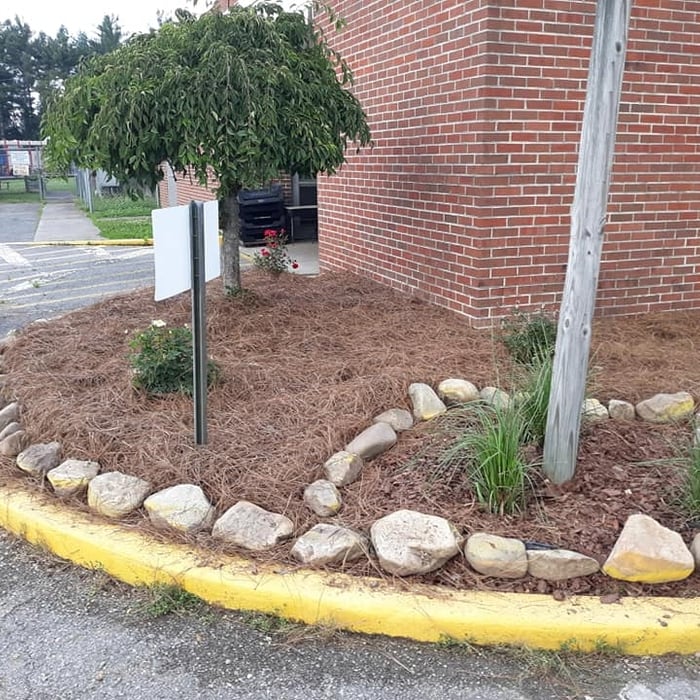



Top-rated animal fencing pros.

Best animal fencing pros near Pounding Mill, VA

Enter your zip and get matched with up to 5 pros

Need a pro for your animal fencing service project in Pounding Mill, VA?

Select your specific project to find the pro for you.

Top-Rated Animal fencing pros in Pounding Mill - Updated Nov 2026

Avatar for Chad Hall Landscaping & Fencing
Chad Hall Landscaping & Fencing
4.5(
22
)
Electronic Pet Fence - InstallElectronic Pet Fence - Repair or Adjust

Serving Pounding Mill, VA and surrounding areas

In business since 1988

Free estimates

Emergency services offered

"Chad quoted our project and he was knowledgeable about the design and materials needed for our fence. The team showed up on time and installed the fence in two days. They made sure everything was cleaned up before leaving. Outstanding customer service and communication. Thank you!"
Additional Photos
Additional Photos
Additional Photos
Additional Photos
Additional Photos

+11

Response time1 day
Recommended by95%of homeowners
Animal Fencing FAQs, answered by experts

The cost of removing a hornets nest ranges from $300 to $400, depending on the size and location of the active nest. Bald-faced hornet removal costs more than the average—about $625 to $750. The price tag also depends on the eradication method, ranging from aerosol sprays and dusting to vacuuming and extermination.

Although it would make things easier for you, animals won’t likely leave the attic on their own. Unless the animal finds seasonal respite in your attic, it’s likely to stay in a protected space as long as it is allowed. Get rid of animals in your attic by calling the appropriate wildlife removal professionals so they can safely and efficiently remove the critters from your home, being careful to avoid further damage to your home.

Small animals, particularly rats and mice, like to burrow inside pool heaters. To keep them out, seal any entry points with caulk or steel wool. Then, place mothballs inside or around your pool heater. As a final measure of protection, you can cover the pool heater in hardware cloth or wood paneling to further block entry points.

When relocating, release a groundhog at least 5 miles from the capture site. This distance helps ensure that the groundhog does not return to your property. Make sure to relocate it to a suitable habitat, such as a wooded area or a place with plenty of ground cover, to increase its chances of survival without disrupting existing wildlife. Additionally, always check local regulations, as relocating wildlife may be restricted or require a permit in some areas.

While you might want to cut corners by either borrowing or purchasing used live traps for catching rats, this can be dangerous because those traps could contain leftover viruses and bacteria that will enter your home. Always start fresh with new materials to avoid contamination.

The Pounding Mill, VA homeowners’ guide to animal fencing services

From average costs to expert advice, get all the answers you need to get your job done.