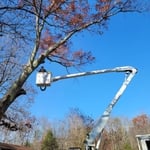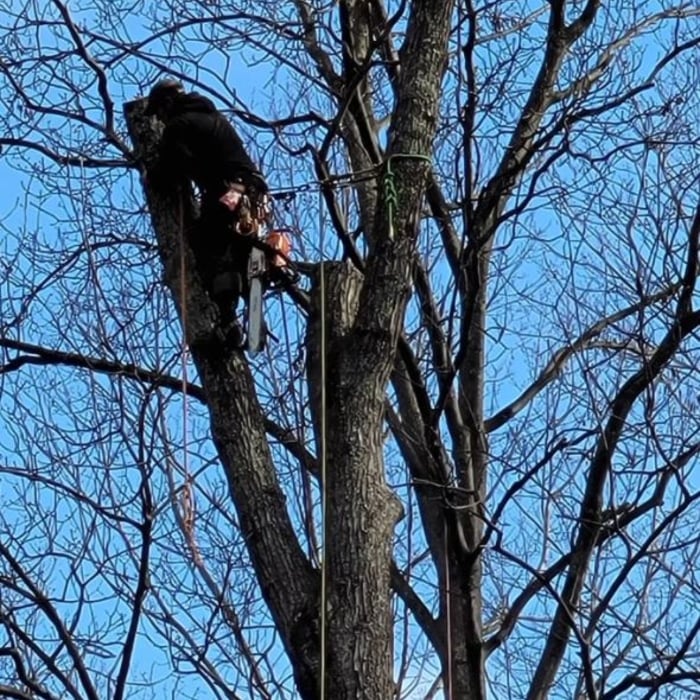





Top-rated tree service pros.

Get matched with top tree service pros in Low Moor, VA

Enter your zip and get matched with up to 5 pros

Need a pro for your tree service project in Low Moor, VA?

Select your specific project to find the pro for you.

TRUSTED BY LOW MOOR, VA HOMEOWNERS

  • Average homeowner rating star icon4.5
    Average homeowner rating
  • Verified reviews icon18
    Verified tree services reviews

Find Tree service pros in Low Moor

Avatar for Legacy Tree Expert LLC
Legacy Tree Expert LLC
4.9(
12
)
Tree RemovalTree Trimming

Serving Low Moor, VA and surrounding areas

In business since 2024

Free estimates

Emergency services offered

"LTE was very professional in their attitude and in completing the contracted job. They were quick efficient and cleaned up after themselves. If you didn't miss the tree - you wouldn't know they had been there. I would hire them again if the occasion arose."
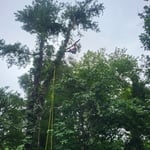
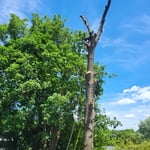
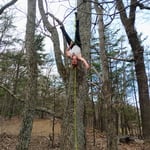
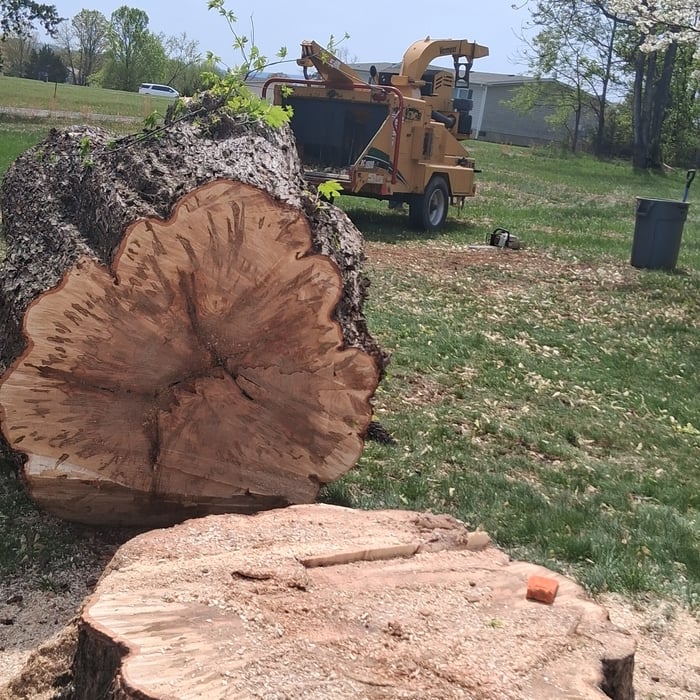
Tree remove
Tree remove
Tree remove
Tree remove
Tree trimming

+14

Response time8 hrs
Response rate97%
Avatar for C&K Services
C&K Services
5.0(
8
)
Tree RemovalTree Trimming

Serving Low Moor, VA and surrounding areas

In business since 2020

Free estimates

Small jobs welcome

"We hired Craig to remove three large beech trees ranging in size from 1 to 1.5 feet in diameter. Precision felling was required on one of these trees to avoid impacts to adjacent trees. Craig did an excellent job on our project. The work was completed on a very timely basis and communication with Craig was excellent. We will use Craig again on any future tree removal projects."
Response time1 day
Recommended by100%of homeowners
Showing 1-10 of 46
Tree Service questions, answered by experts

Yes, tree roots can regenerate after they’re pruned or cut. In fact, trimming can stimulate new growth, especially in healthy trees. The tree’s roots can still grow back even after a tree is cut down, (and learning how to get rid of regrowing tree roots is a separate feat). Still, if you don’t wish to harm a tree, pruning the roots should be done with extreme care, and ideally by a professional.

You should not trim an oak tree in the summer. Oak trees are especially susceptible to disease, and open tree wounds are an invitation for beetles that carry tree-killing fungus. If there’s no risk that the oak tree will do damage to your property or hurt someone, it’s best to save the trimming for fall or winter. If you can, seal the wound with latex to prevent fungus from getting inside.

The best time to trim trees is in late fall through winter when the tree has slowed its growing for the year. Cold weather stops insects and fungal growth from attacking a new tree wound. Summer and fall are considered the worst times to trim trees, but it’s permissible in certain scenarios, such as tree disease, damaged branches, or small, aesthetic cuts.

All of the tree root removal methods mentioned above are effective on any kind of root, whether it’s still growing or simply needs a gentle nudge to finish decomposing. The only difference is that larger roots tend to be harder to remove and may require multiple chemical treatments as well as manual labor to eradicate.

Tree removal can be quite expensive, especially for larger projects, but you can use the following tips to help keep costs down:

  • Do the yard cleanup afterward yourself

  • Choose to leave the logs on your property and split them yourself

  • Opt to leave the stump in the ground and tackle stump grinding yourself

  • Pull permits for tree removal, if necessary, to avoid fines

  • Pay to have multiple trees removed at once

  • Remove tree in the late winter or early spring during off-season

The Low Moor, VA homeowners’ guide to tree services

From average costs to expert advice, get all the answers you need to get your job done.