



Top-rated arborists.

Best arborists near Low Moor, VA

Enter your zip and get matched with up to 5 pros

Need a pro for your arboricultural service project in Low Moor, VA?

Select your specific project to find the pro for you.

TRUSTED BY LOW MOOR, VA HOMEOWNERS

  • Average homeowner rating star icon4.5
    Average homeowner rating
  • Verified reviews icon28
    Verified arboricultural services reviews

Top-Rated Arborists in Low Moor - Updated Nov 2026

Avatar for CSI Home and Commercial Services
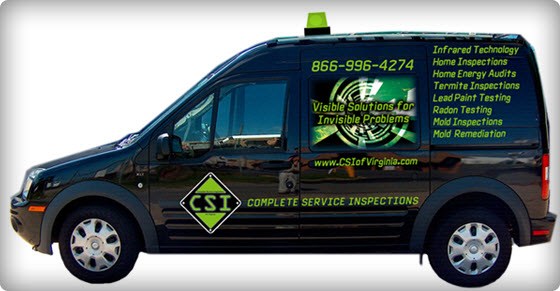
CSI Home and Commercial Services
4.6(
80
)
Trees & Shrubs - Treat, Protect and MaintainTrees & Shrubs - Treat, Protect and Maintain - For Business

Serving Low Moor, VA and surrounding areas

In business since 1995

Free estimates

Credit card accepted

"The CSI technicians were on-time and professional. We especially appreciated their willingness to educate us. Our anxieties about the whole process were lessened - we sensed their concern and acknowledge their expertise. CSI's administrative procedures were also top-notch."
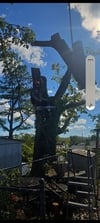
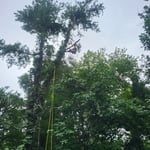
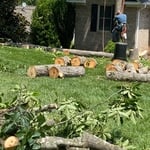
Additional Photos
Additional Photos
Additional Photos
Additional Photos
Additional Photos

+5

Recommended by97%of homeowners
Avatar for E & J Tree Service
E & J Tree Service
4.5(
11
)
Tree RemovalTree Removal - For BusinessTree Stump - Remove+5 more

Serving Low Moor, VA and surrounding areas

In business since 2015

Free estimates

Emergency services offered

"It was great the owner Eddi is a good guy he showed up on time and they did a good job. They cleaned up the tree's and when they leave. I highly recommend them and this is the 4th time that they did a work in my house they were very affordable, reasonable, honest and always on time."
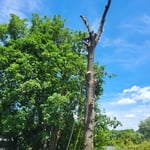
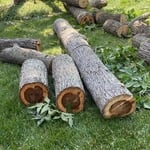
Additional Photos
Additional Photos
Additional Photos
Additional Photos
Additional Photos

+2

Recommended by90%of homeowners
Showing 1-10 of 49
Arborists FAQs, answered by experts

Yes, pruning makes trees stronger because it fosters proper growth, weight distribution, and balance of the crown. By increasing the structural integrity of the tree through pruning, it’s less likely to experience disease, pests, broken limbs, and storm damage. Pruning the right branches and limbs is key to improving a tree’s strength and balance.

You’ll have to balance up the cost, the value of the tree (sentimental or otherwise), and the risk factors. An experienced arborist will help you understand whether transplanting is likely to be successful. The cost and hassle of transplanting a large, well-established tree are often not worth it, especially if the species is fast-growing and easy to source. The decision depends on the age and species of the tree, the conditions in the new site location, and how careful the company is when digging out and moving the tree.

The best time to cut down a tree is during its dormant season, typically in winter or early spring, after all the leaves have fallen. Removing a tree during this period is advantageous for several reasons. Frozen ground helps secure the tree stump, protects the surrounding landscape from damage, and reduces the risk of the tree falling in an unintended direction. With the leaves gone, there is less risk of the tree's foliage getting tangled with other trees. Additionally, since this is often a slower season for tree services, you may be able to hire a professional at a lower rate. This dormant period is also the best time for tree trimming.

If the roots are still alive, the dead tree will usually try to put out new shoots. That doesn’t mean the tree will survive or that the dead parts of a tree will come back to life. If parts of the tree have died and turned gray or rotten, nothing will bring them back to life and they need to be safely removed.

In most ways, palm trees are incredibly low-maintenance. They don’t need a ton of water—which is why they’re so beloved in desert regions—and they basically prune themselves. But they do need an ample supply of sunlight and to be in soil that will allow for proper drainage so that their roots don’t become waterlogged and at risk of developing illnesses.

If the plant begins to wilt, develop spots, or change color, these could all be signs that your palm tree has a disease. But a few basic treatments, like pruning and applying fungicide, will usually be more than enough to return it to perfect health.

The Low Moor, VA homeowners’ guide to arboricultural services

From average costs to expert advice, get all the answers you need to get your job done.