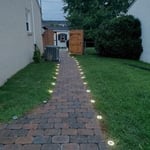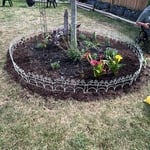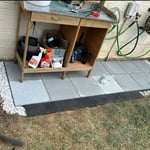



Top-rated fire pit installation pros.

Get matched with top fire pit installation pros in Henry, VA

Enter your zip and get matched with up to 5 pros

Need a pro for your fire pit installation project in Henry, VA?

Select your specific project to find the pro for you.

TRUSTED BY HENRY, VA HOMEOWNERS

  • Average homeowner rating star icon4.3
    Average homeowner rating
  • Verified reviews icon35
    Verified fire pit installation services reviews

Find Fire pit installation pros in Henry

No results for Fire pit installation pro in

Try adjusting your search criteria.
Fire Pit Installation questions, answered by experts

Once your ashes have fully cooled, you can place them in a heavy-duty trash bag and put them into the bin with your normal trash. If you have wood ash, you can add the ash to your composting pile or sprinkle it over your grass or plants directly for added nutrients.

Baking soda is an effective fire reduction method. However, flour and baking powder are very dangerous around flames. Flour is flammable and it can also conduct electricity. The combination can cause serious injury from electrical shock and worsen the situation by adding fuel to the fire. Baking powder is also not an option as it's also highly flammable. 

Safety concerns with propane boilers include proper venting to prevent carbon monoxide buildup, secure gas line connections, and regular inspection of safety controls. Professional boiler installation and annual maintenance are essential to minimize risks. Having a carbon monoxide detector installed in your home is essential for early detection of any leaks or ventilation issues.

Yes, dead palm tree fronds are a fire hazard. The leaves become highly combustible because the dead fronds don’t fall off the tree themselves, especially in hot, sunny climates. In fact, many wildfires start from dead palm fronds. Palm trees can also easily catch fire from lighting, electrical power lines, and fireworks. So, cutting off dead palm fronds before they become a fire hazard is important.

Yes, you should seal and cap an unused chimney to protect it from damage. Sealing the structure helps prevent moisture damage, which can lead to issues like cracks, spalling, efflorescence, and damaged mortar joints. Capping the chimney is also crucial to prevent blockages, damage from invasive critters, and downdrafts, while still allowing for proper air ventilation to manage moisture. For the best results, consult a chimney professional to select the right type of chimney or flue cap for your home. It's also wise to continue with annual chimney inspections to maintain the structure's integrity.

The Henry, VA homeowners’ guide to fire pit installation services

From average costs to expert advice, get all the answers you need to get your job done.