I offer land clearing and excavation. I am currently a small business owner with a 10 ton excavator and dozer that I use to do tree removal or grading work done. I also do small construction work/DIY projects, and any small handyman projects. I am very affordable and I’m willing to work with any customer.
With over 10 years experience in lawn care and excavation work, I can guarantee we’ll have your property looking brand new! Give us a call to get your yard looking the best it ever has! 276-451-5785
Hey my name's cooper and I always been running and trying to do stuff \nSome of the things I like to.\nHelping people.\nDrive around town going to the beach.\nExercise.\nGoing to movies.\nHanging out with friends.\nSome of my corks.\nHigh energy/ADHD\nAlways moving.\nAlways have a smile on my face \n
"I have always been very pleased with Hunter's work. Hunter will do anything you asking to do. I used Hunter's service for over 2 years and was always pleased. I highly recommend Hunter."
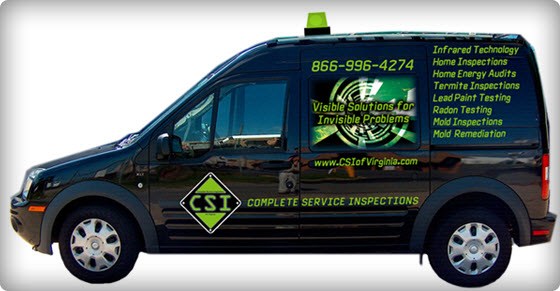
"CSI was flexible and was able to schedule a home inspector the day after I got a bid accepted on a house. The inspector, Patrick, showed up on time and the inspection took about 4 hours. Patrick was responsive to any questions I had by email or live during the inspection. My one recommendation is that I requested a pest, mold, radon, and home inspection. It would be a better heads up if they explained that they sometimes outsource the radon inspection depending on availability of radon inspectors. Also, they can explain a bit more for new home buyers what is involved with a mold inspection. Patrick ended up just eyeing whether he spotted any mold. Because he did not see any mold, we did not have to pay extra for mold samples."
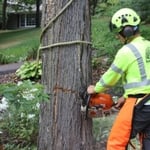
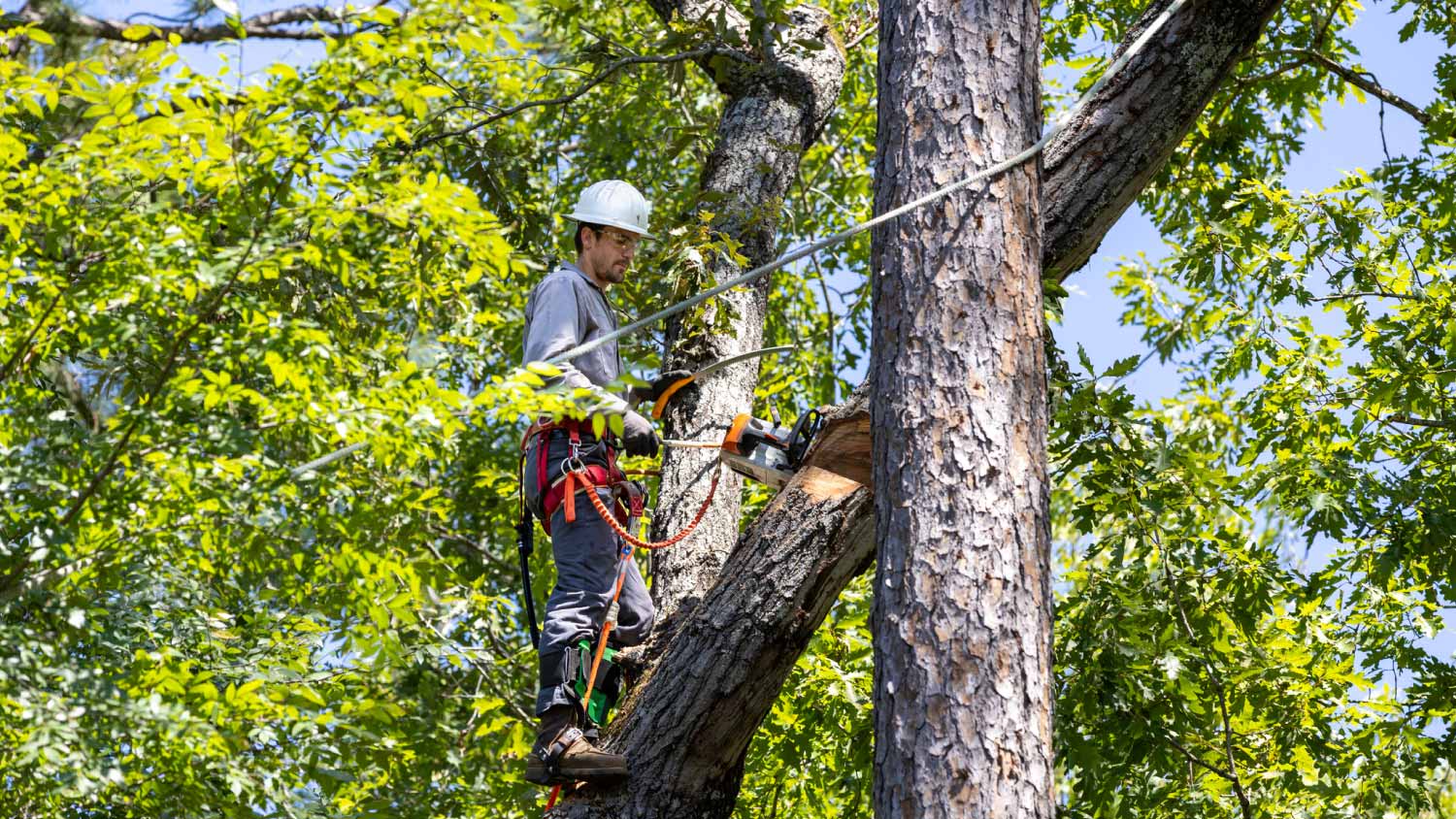
"Very professional. Did what they said they were going to do. Good equipment. Knew how to use it. No wasted time or effort. Used appropriate safety precautions. Highly skilled at tough large tree removal."
There are several methods to hollow out a tree stump, and the best one depends on your tools, experience, and priorities. Common methods include using a chisel and hammer, a chainsaw, or burning.
Chisel and Hammer: This is often considered the easiest approach for those with limited tools or experience, though it is the most time-consuming.
Chainsaw: Using a chainsaw is the fastest method, but it comes with significant safety risks, especially for inexperienced users.
Burning: This can be an effective method, but it is not recommended unless you can first drill holes into the stump. Without holes, the stump will be difficult to light and may not burn completely through.
A power drill with at least a ⅜-inch diameter bit can make the job quicker and easier, regardless of the primary method. While you can use a chisel or chainsaw without a drill, it will require more time and effort. Always wear protective goggles and thick gloves, as splinters are an inevitable risk.
A dead tree should always be cut down, because it could fall and cause injuries or damage, and it can also attract insects like carpenter ants. A tree that’s diseased beyond repair should also be cut down, but it’s not always easy for a homeowner to tell. Signs of disease include dying branches, a hollow trunk, leaning, and discolored or missing leaves, but your best bet is to hire a local arborist who can evaluate the tree and tell you if it can be saved or should be cut down.
A tree can split because of high winds, a change in temperature, or from an infestation or tree disease. All of these factors can overlap, making a single cause difficult to pinpoint. While winter storms are some of the most common causes for a tree to split, it can also happen because of termites or rot.
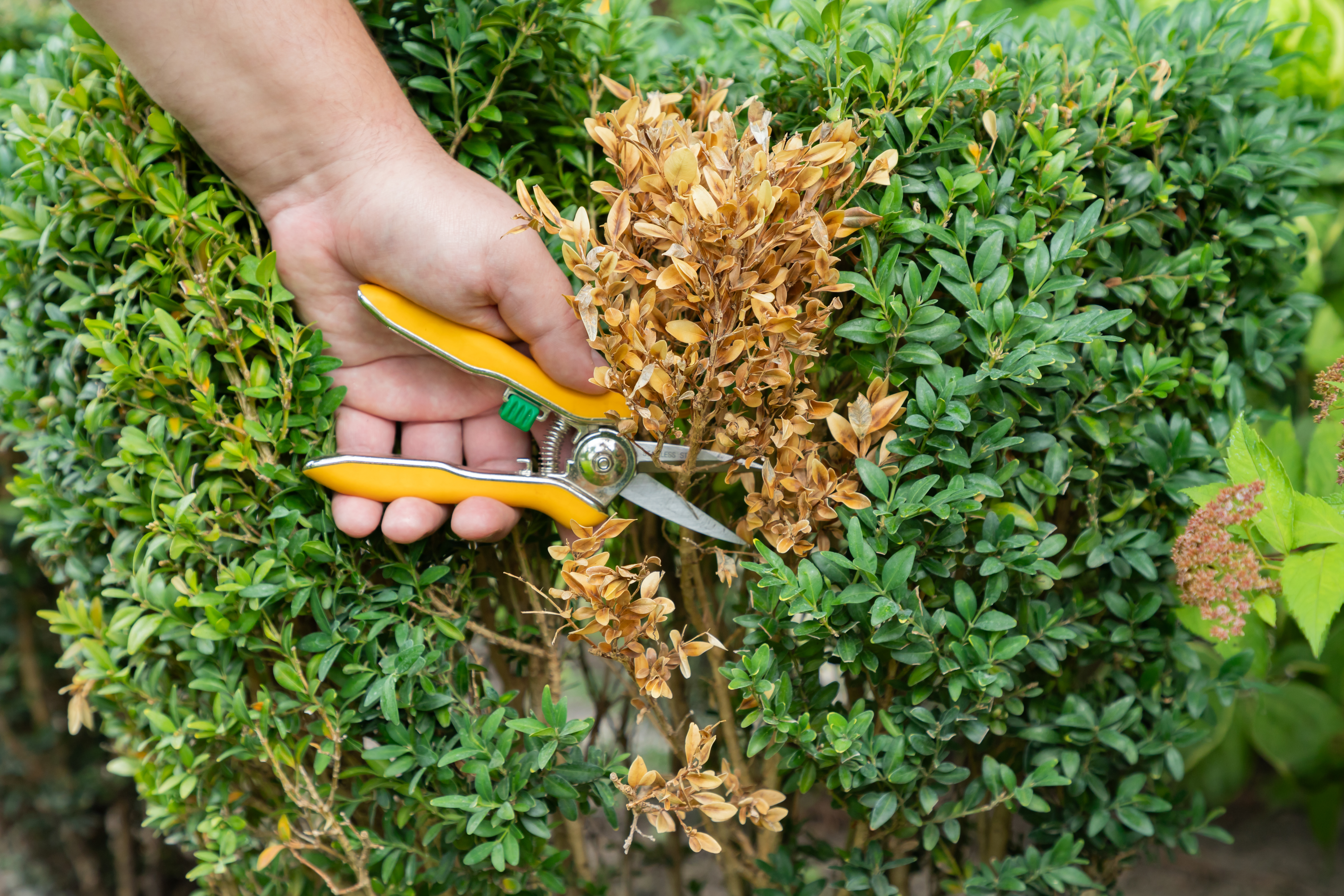
Trees should be pruned every two to five years, depending on its age and type. Young trees should be inspected and pruned every two to three years. Mature trees should be inspected and trimmed every three to five years, and fruit trees should be pruned annually with a careful eye on seasonal growth. Evergreens typically don’t need pruning, unless branches or limbs are damaged, diseased, or harboring pests.
For trimming trees, your best tool is a pair of pruning shears or loppers. Both options work best for branches that are under 3 inches in diameter. Trimming trees with a larger diameter may require a robust tool like a small chainsaw or a handsaw, so take into account your tree’s diameter when deciding between tools.
The Cleveland, VA homeowners’ guide to arboricultural services
From average costs to expert advice, get all the answers you need to get your job done.
How much does an arborist cost? This guide explains the cost of different services, ongoing expenses, and other factors to consider when hiring an arborist.
Arborists are specialized tree care experts. This guide will help you hire an arborist with all the qualifications to give your trees the best care possible.