



Top-rated arborists.

Best arborists near Clintwood, VA

Enter your zip and get matched with up to 5 pros

Need a pro for your arboricultural service project in Clintwood, VA?

Select your specific project to find the pro for you.

TRUSTED BY CLINTWOOD, VA HOMEOWNERS

  • Average homeowner rating star icon5
    Average homeowner rating
  • Verified reviews icon12
    Verified arboricultural services reviews

Top-Rated Arborists in Clintwood - Updated Nov 2026

Avatar for Climb High Tree Service
Climb High Tree Service
4.9(
120
)
Tree RemovalTree TrimmingTree Trimming - For Business+1 more

Serving Clintwood, VA and surrounding areas

Approved

Super Service Award Winner

In business since 1990

Free estimates

Emergency services offered

"Professional On time Efficient Polite Did exactly what he said he would do. The fact heâ s also an arborist is a bonus. Gave me some pointers on the trees in my yard that I didnâ t have cut down. Without hesitation, I would recommend this company wholeheartedly."
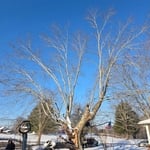
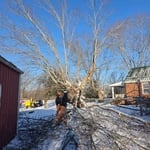
Snow storm 2026
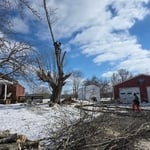
Snow storm 2026
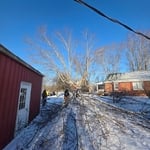
Snow storm 2026
Snow storm 2026
Snow storm 2026

+564

Response time4 days
Response rate97%
86 neighbors recently requested a quote
Avatar for AdVance Construction LLC
AdVance Construction LLC
New to Angi
Tree RemovalTree Removal - For BusinessTree Stump - Remove+3 more

Serving Clintwood, VA and surrounding areas

Approved

Free estimates

Warranties offered

Small jobs welcome

I offer land clearing and excavation. I am currently a small business owner with a 10 ton excavator and dozer that I use to do tree removal or grading work done. I also do small construction work/DIY projects, and any small handyman projects. I am very affordable and I’m willing to work with any customer.

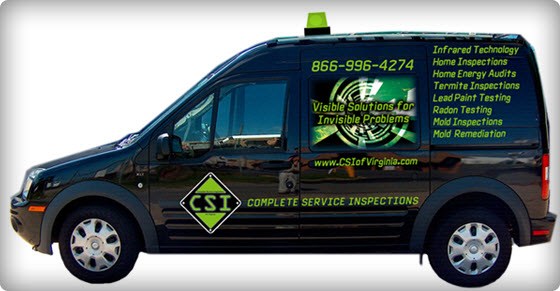
Avatar for CSI Home and Commercial Services
CSI Home and Commercial Services
4.6(
80
)
Trees & Shrubs - Treat, Protect and MaintainTrees & Shrubs - Treat, Protect and Maintain - For Business

Serving Clintwood, VA and surrounding areas

In business since 1995

Free estimates

Credit card accepted

"The CSI technicians were on-time and professional. We especially appreciated their willingness to educate us. Our anxieties about the whole process were lessened - we sensed their concern and acknowledge their expertise. CSI's administrative procedures were also top-notch."
Additional Photos
Additional Photos
Additional Photos
Additional Photos
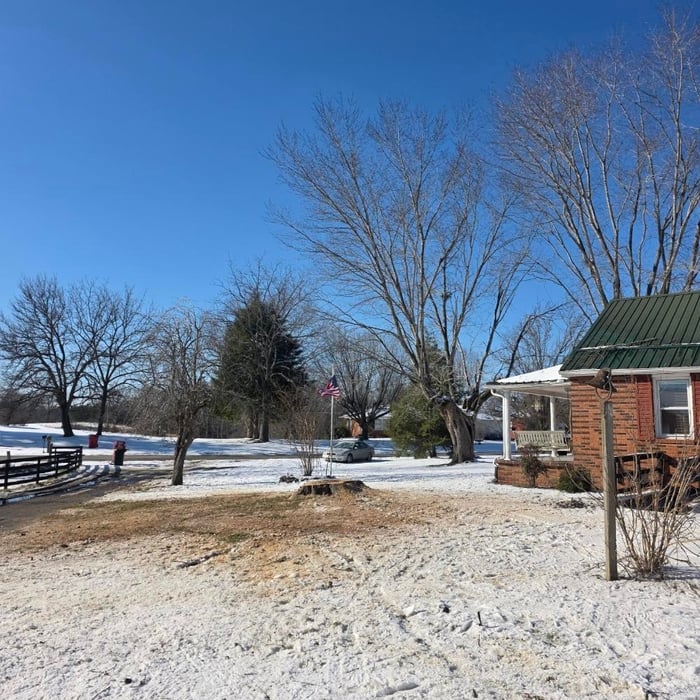
Additional Photos

+5

Recommended by97%of homeowners
...
Showing 1-10 of 59
Arborists FAQs, answered by experts

There are several methods to hollow out a tree stump, and the best one depends on your tools, experience, and priorities. Common methods include using a chisel and hammer, a chainsaw, or burning.

  • Chisel and Hammer: This is often considered the easiest approach for those with limited tools or experience, though it is the most time-consuming.

  • Chainsaw: Using a chainsaw is the fastest method, but it comes with significant safety risks, especially for inexperienced users.

  • Burning: This can be an effective method, but it is not recommended unless you can first drill holes into the stump. Without holes, the stump will be difficult to light and may not burn completely through.

A power drill with at least a ⅜-inch diameter bit can make the job quicker and easier, regardless of the primary method. While you can use a chisel or chainsaw without a drill, it will require more time and effort. Always wear protective goggles and thick gloves, as splinters are an inevitable risk.

Many species, especially when well-established, are not fans of transplantation. You’ll need to decide if you want to risk splashing the cash, understanding that transplantation isn’t always successful. Again, this is where hiring a pro is helpful, as they can give you all the essential info you need to ensure your tree stands a fighting chance.

Some trees will bounce back just fine, and others will struggle and possibly die. Evergreens, for instance, have a very difficult time recovering after droughts and usually die after periods of extreme dryness. Usually, you’ll have to just wait and see—if the drought occurs in wintertime, it’s possible that your tree will recover during the gentler springtime.

Generally, homeowners do not need permission to cut down a tree on their own private property, but there are several exceptions where a permit may be required. You might need a permit if the tree is particularly large, old, or a protected species, such as a heritage tree. Trees located near public property or power lines can also be subject to special rules. Additionally, many local governments and homeowners associations (HOAs) have regulations controlling which trees can be removed to manage an area's appearance or prevent the spread of invasive species. To avoid hefty fines, it is crucial to check with your local government and HOA to determine if a permit is needed before you begin.

Not all leaning trees are dangerous, but they can be a hazard as gravity may eventually cause them to fall. A key factor is whether the lean is new or has been present for a long time. Trees that have grown with a lean for years are not typically an immediate danger, but a sudden lean is a cause for concern as it often indicates weakening roots. If a tree is leaning more than 15% from vertical, you should consider having it straightened or transplanted. To be safe, it's always best to hire a professional arborist to inspect any leaning tree to assess the risk and avoid potential accidents.

The Clintwood, VA homeowners’ guide to arboricultural services

From average costs to expert advice, get all the answers you need to get your job done.