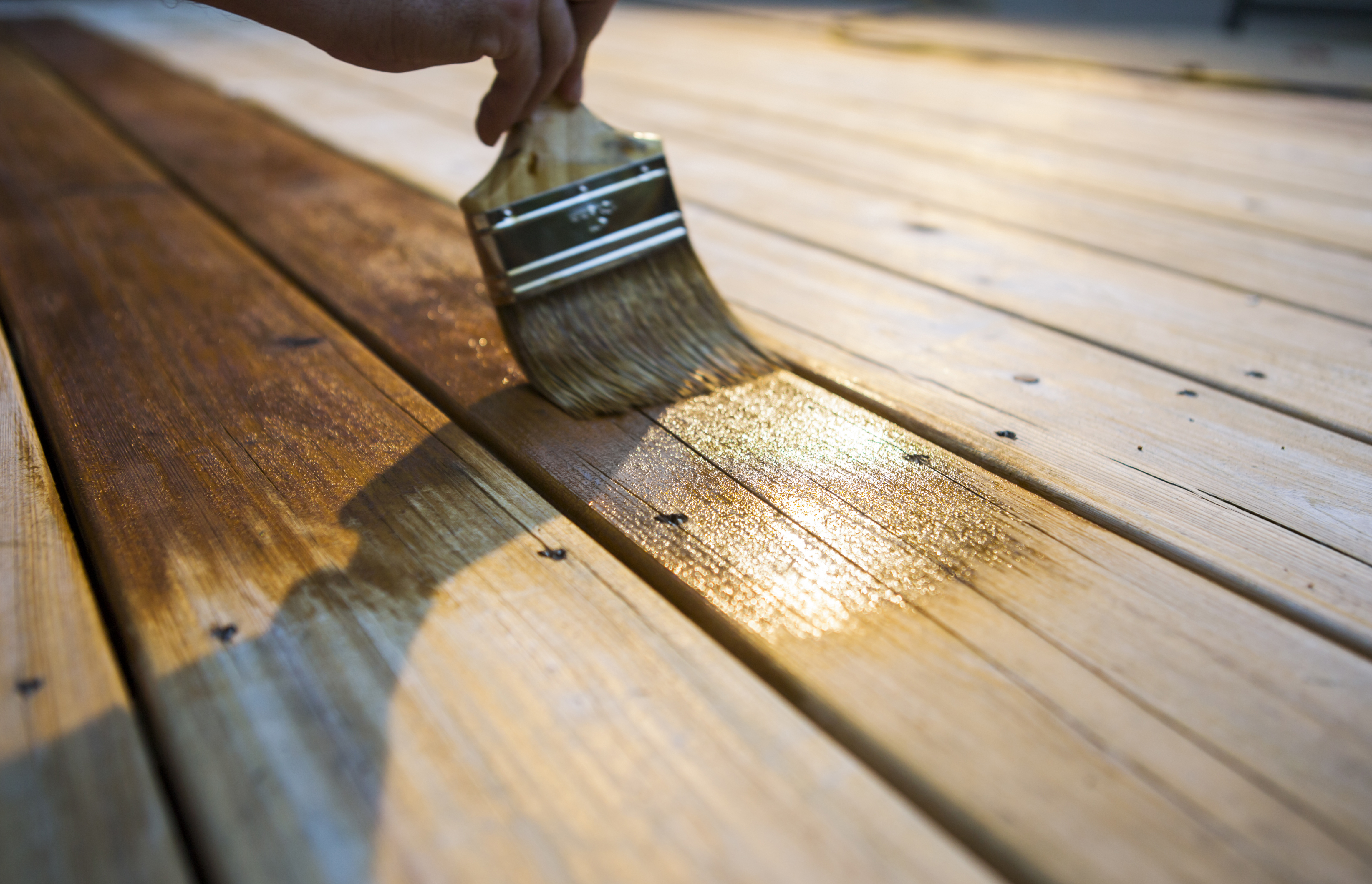


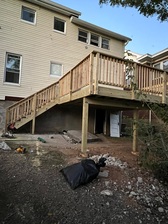



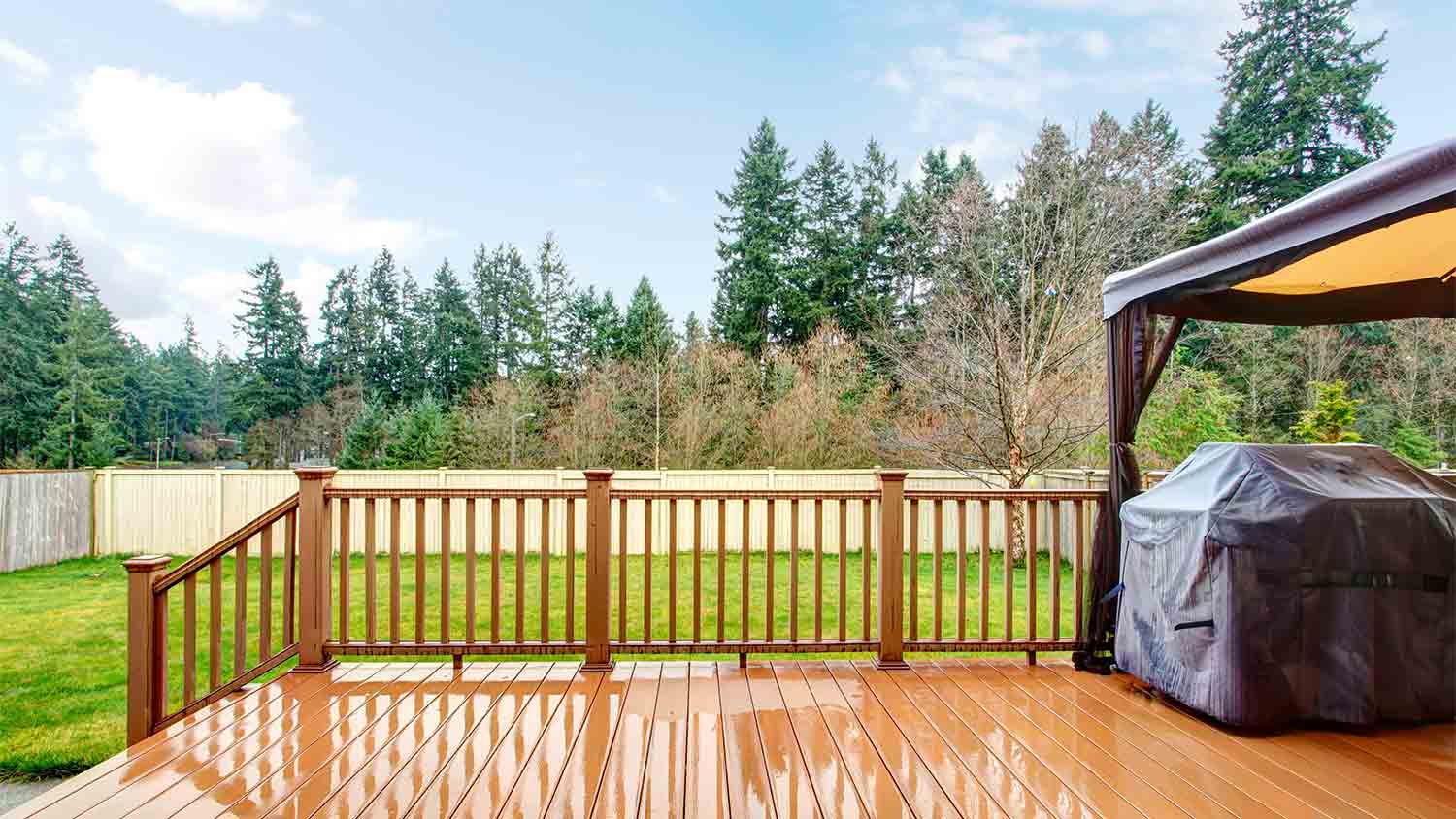
Top-rated deck maintenance specialists.

Get matched with top deck maintenance specialists in Callaway, VA

Enter your zip and get matched with up to 5 pros

Need a pro for your deck maintenance project in Callaway, VA?

Select your specific project to find the pro for you.

TRUSTED BY CALLAWAY, VA HOMEOWNERS

  • Average homeowner rating star icon4.1
    Average homeowner rating
  • Verified reviews icon17
    Verified deck maintenance services reviews

Find Deck maintenance specialists in Callaway

AAA Handyman Service
3.5(
24
)
Deck, Fence, Patio or Porch - Clean and SealDeck, Fence, Patio or Porch - Clean and Seal - For Business

Serving Callaway, VA and surrounding areas

In business since 1991

Free estimates

Emergency services offered

"His work, both on the initial job of cleaning out my gutter downspouts, and the subequent job of the roof and deck powerwashing, followed by staining (the deck) and roof shampooing (to remove roof mold) was very good and professionally done.  Chris is punctual, explains in detail what the prospective job will entail, and keeps the customer advised as to when he will start and likely finish the job.  He furnishes references, and keeps in contact with the customer until the job is finished to their satisfaction.  I would not hesitate to recommend him to any home or business owner who needs some repair work or new construction to be done.

Tom Sellinger"
Recommended by60%of homeowners

Showing 1-10 of 23
Deck Maintenance questions, answered by experts

Homeowners should build their floating decks at least 18 inches off the ground. Having it at this height will allow for better airflow underneath and help prevent moisture-related problems like warping or rot. That being said, local guidelines for deck heights may vary depending on where you live.
Generally, a patio is more accessible than a standard deck because patios are constructed at ground level. However, decks can be made accessible by adding a wheelchair-accessible ramp, a vertical lift, or a stair lift along the entry. An ADA-compliant deck ramp costs about $3,000 on average. The additional investment will provide a much friendlier experience for your guests with movement impairments.

Most building codes require that spindles or balusters on deck and stair railings be spaced no more than four inches apart. This safety standard, often called the '4-inch sphere rule,' is designed to prevent small children or pets from slipping through the railing. A good way to visualize this is that a 4-inch sphere should not be able to pass between two spindles. For the same safety reason, the space between the bottom rail and the deck floor should also be no more than four inches. As a general guideline, professionals often install three balusters per foot of railing. However, since specific requirements can vary by location, it is crucial to check your local building codes to ensure compliance before starting your project.
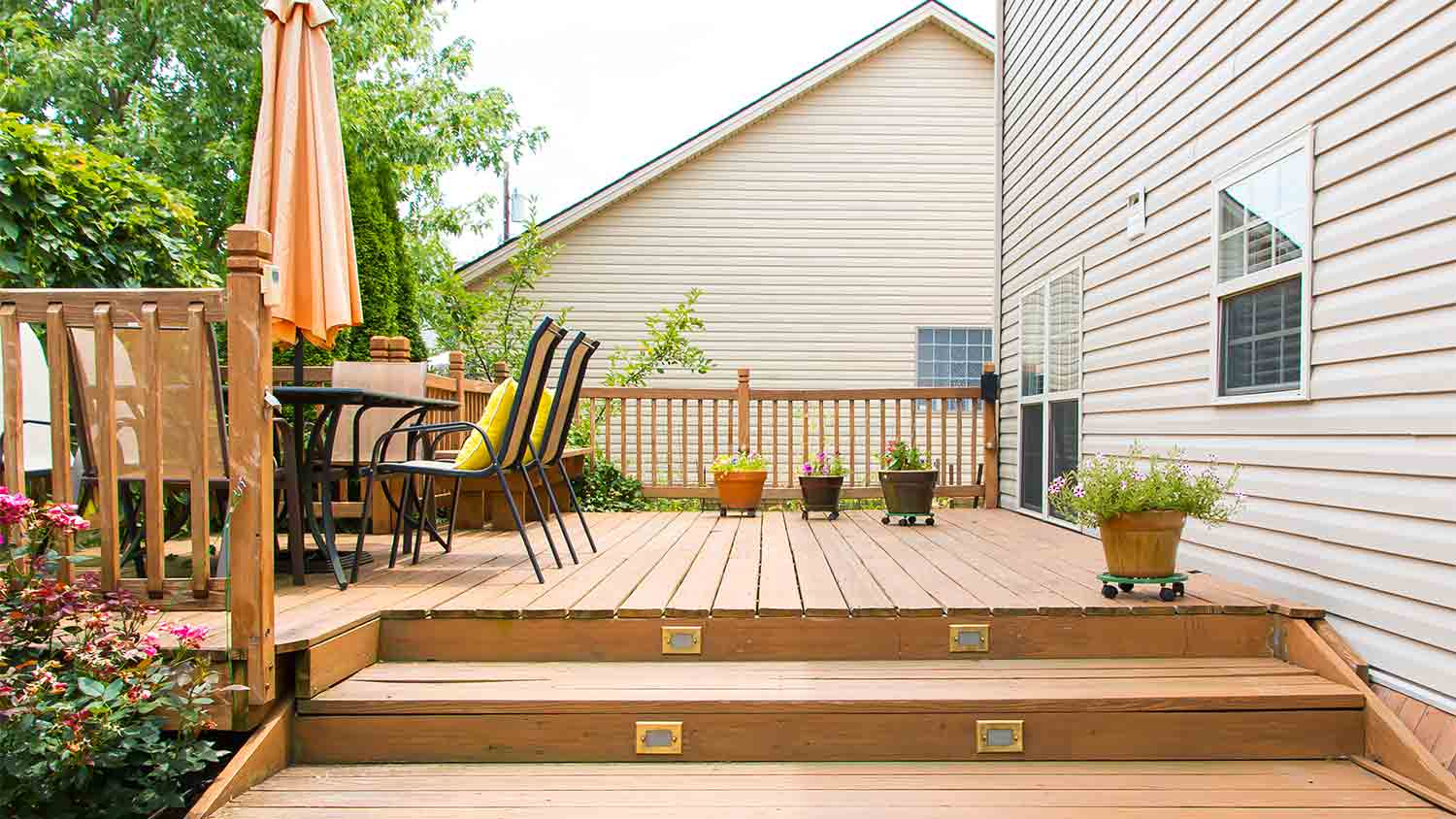
You can use a few different tactics to prevent your deck gate from sagging. Aside from using strong, rot-resistant woods, introducing a diagonal element—such as a tension rod or solid piece of wood to act as a brace—across the gate will offer better support. You can also use rigid joists to prevent the gate from sagging.

Covering your deck with a breathable tarp can protect it from snow, ice, and cold winter temperatures. This is a good winterizing solution if you don’t plan to use your deck at all during the colder months. However, it might be best to skip the tarp if you’ll still be walking on your deck or using it in a limited capacity.

The Callaway, VA homeowners’ guide to deck maintenance services

From average costs to expert advice, get all the answers you need to get your job done.