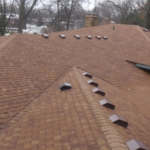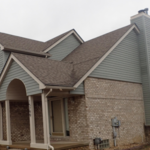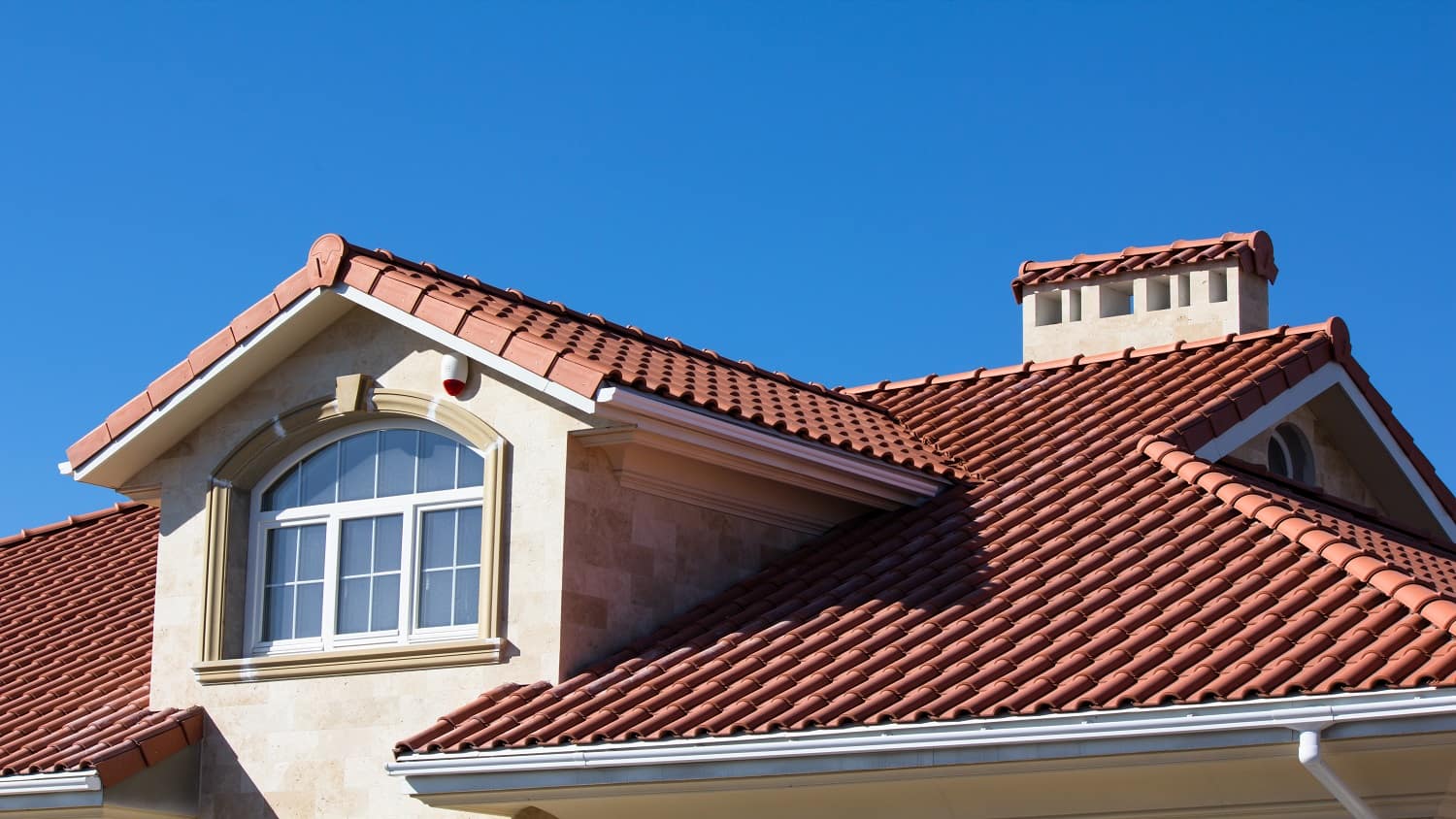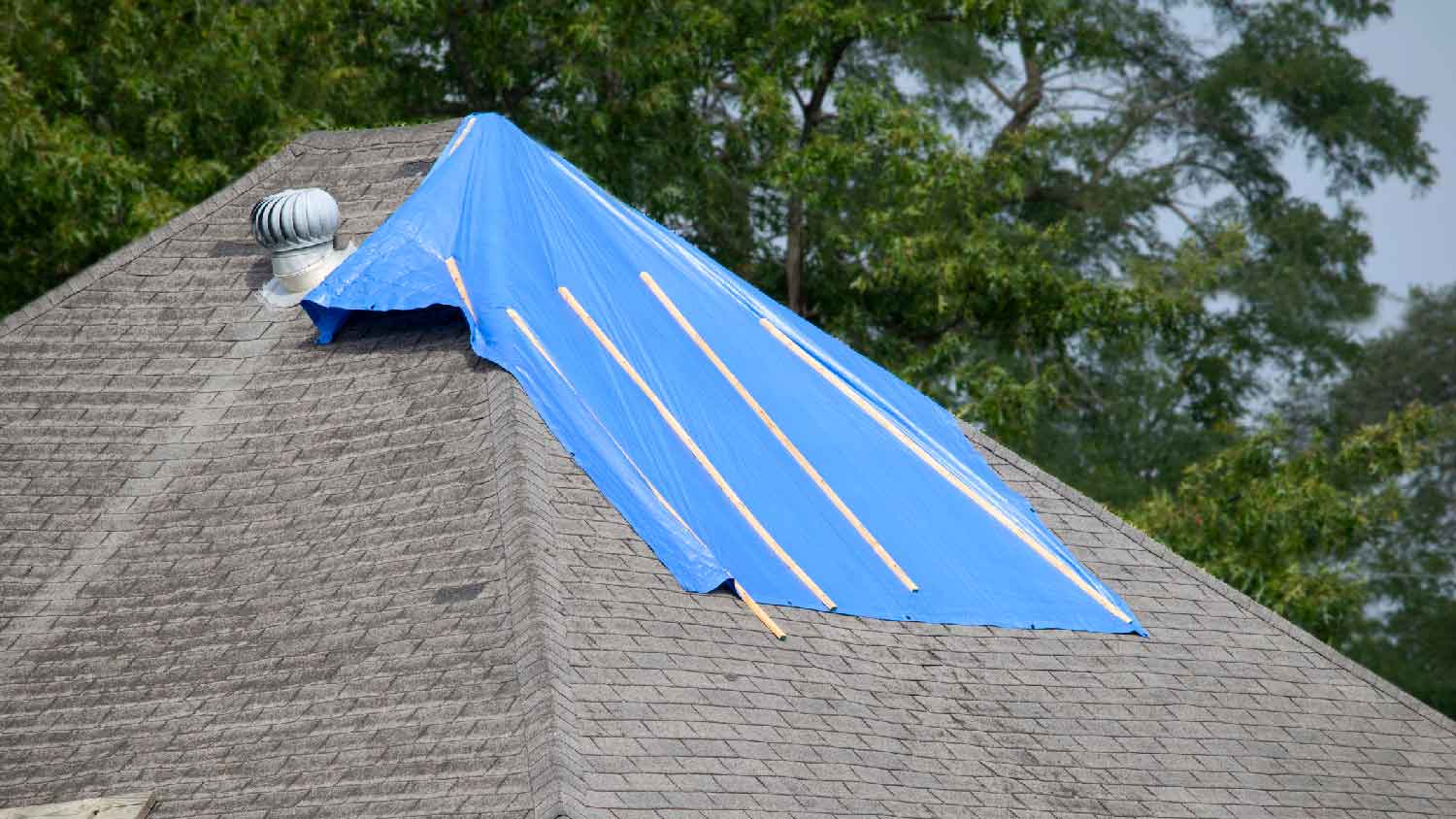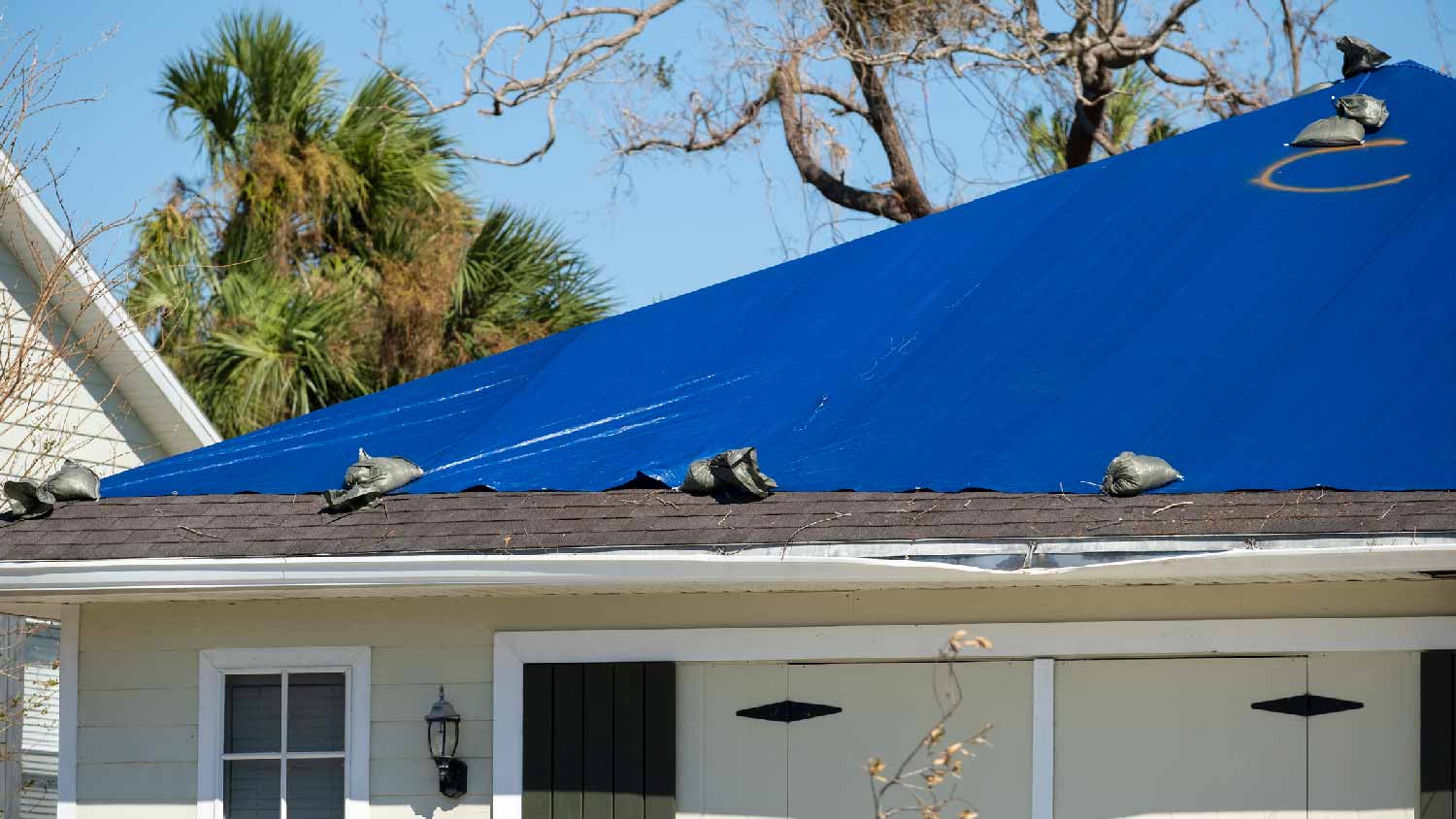





If your roof has storm damage, there will be some telltale signs. These include missing, loose, or damaged shingles. You may notice cracks or dents on the metal parts of your roof, like flashing, gutters, or metal panels. Water leaks are another big indicator. So are visible signs of impact. Rather than climb up on your roof to check, hire a professional to inspect the area safely.
Metal roofs have a bad reputation for being loud, even if that's not necessarily true—it's usually only thin tin or sheet metal roofs that are loud during storms. Stone coating adds a layer to the metal that severely cuts down on any noise from rain. In many ways, stone-coated steel roofs are quieter than your average, run-of-the-mill asphalt shingle roof.
The proper specifications for furring strips can vary, so you should always consult the roofing manufacturer's guidelines or your roofer. However, general recommendations are as follows:
Thickness: Furring strips are typically 1 to 1-1/2 inches thick, meaning standard 1-by or 2-by lumber works well. In areas with extreme winds, a thinner strip may be preferred to limit how much air can get under the roof and cause uplift. A thicker strip can add slightly more insulation but will also increase installation costs.
Spacing: The recommended spacing for furring strips is between 12 and 24 inches apart on center. Proper spacing is crucial for ensuring good airflow, adequate drainage, noise reduction, and better energy efficiency. The ideal spacing can depend on the roof's pitch and the specific type of metal roofing being installed.
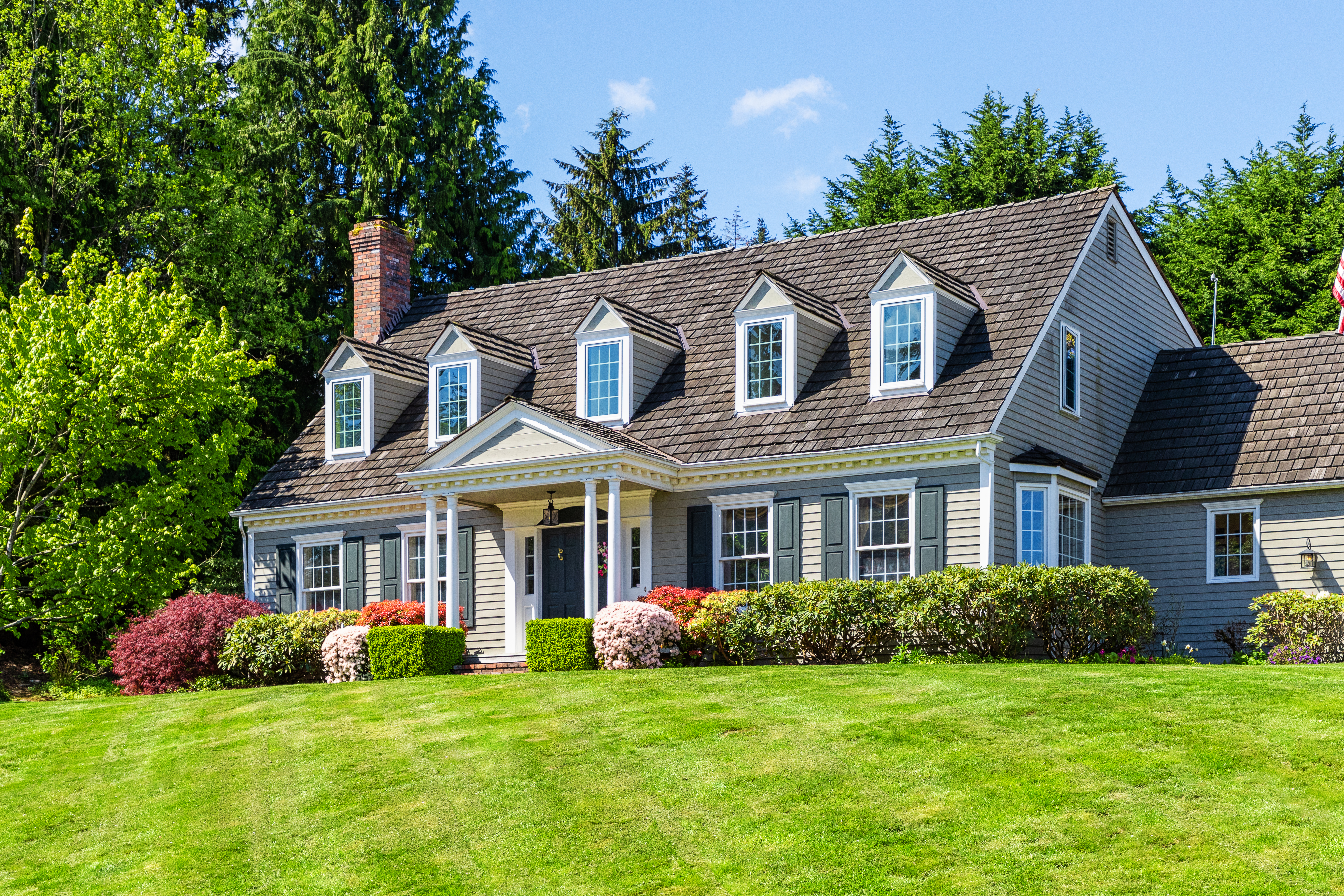
Copper roofing works well in all kinds of climates, but it’s ideal in humid climates because it naturally repels fungus, moss, and algae. This makes it one of the best roofing options for Cape Cod homes in the Northeast, as well as homes in the humid southern states and snowy northern states. That said, copper is vulnerable to thermal expansion. If you live in a climate that has extreme temperature changes, your contractor will need to consider this during the installation process.
Always inform your insurance company when you get a new roof. A new roof may entitle you to lower rates or discounts, and if you need to make a claim, they’ll have up-to-date information on your roof. You’ll need to provide documentation—ask your insurance agent what you need to submit to prove you had your roof replaced.
The Boykins, VA homeowners’ guide to roofing services
From average costs to expert advice, get all the answers you need to get your job done.
A new roof improves curb appeal, increases home value and keeps your living space protected from the elements. Learn about average roof replacement costs to set your budget.