





Top-rated paving pros.

Get matched with top paving pros in West Point, UT

Enter your zip and get matched with up to 5 pros

Need a pro for your paving service project in West Point, UT?

Select your specific project to find the pro for you.

TRUSTED BY WEST POINT, UT HOMEOWNERS

  • Average homeowner rating star icon4.4
    Average homeowner rating
  • Verified reviews icon19
    Verified paving services reviews

Find Paving pros in West Point

Avatar for 247 SERVICES LLC
247 SERVICES LLC
5.0(
5
)

Serving West Point, UT and surrounding areas

Approved

In business since 2025

Free estimates

Credit card accepted

"247 services has done different types of work on 5 (soon to be 6) of my parking lots across multiple states. These guys do a great job, no job is too big nor too far. Highly recommend."
Sandy Sealcoating
Sandy Sealcoating
Sandy Sealcoating
Sandy Sealcoating
Sandy Sealcoating

+6

Response time8 hrs
3 neighbors recently requested a quote
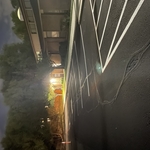
Avatar for Millennium
Millennium
4.7(
3
)

Serving West Point, UT and surrounding areas

Approved

In business since 2020

Free estimates

Warranties offered

"They worked really hard and made some big improvements in our yard. We really love the end results and enjoy yard immensely. They tried very hard to please us to get the results we were looking for."
Additional Photos
Additional Photos
Additional Photos
Additional Photos
Additional Photos

+12

Response time1 day
Response rate100%
7 neighbors recently requested a quote
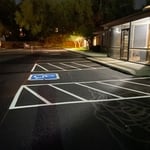
...
Showing 1-10 of 102
Paving Services questions, answered by experts

Asphalt and tarmac are not the same thing. Traditional tarmac, short for tarmacadam, uses tar as a binder to hold crushed stone together. Asphalt uses bitumen—a byproduct of crude oil—to bind aggregate. Though tarmac was once a go-to for roads, asphalt has become the modern standard. And these days, most surfaces referred to as “tarmac” are actually asphalt. So, while the names may overlap, the key distinction lies in the binder—tar for tarmac and bitumen for asphalt.

To adhere pavers to concrete, you can use either mortar or a concrete-specific adhesive. For border pavers, a polyurethane-based adhesive is a good choice as it expands and contracts with temperature changes, keeping them firmly in place. For the non-border pavers, polymeric sand is used between the joints to prevent shifting. In most cases, it is also recommended to lay a permeable sand layer below the pavers to ensure proper stability and drainage. Before starting, always take the proper preparatory steps for a professional result.

While water-related pressure caused by poor drainage is one common cause of paver cracking, other factors can include ground movement beneath pavers, heavy loads and wear and tear over the pavers, and climates with constant freeze-thaw cycles. In general, pavers should be resealed every three to five years to prevent cracking.

Think of the street as a way to capture all the elements on either side of the road, including the road—a street encompasses the homes or other buildings, the trees, and the road of a given area as defined by the beginning and end of the street on a map. A roadway, however, is the component of the street where cars travel.

Driveway paving costs around $4,500 on average, but depending on many factors, you could pay anywhere from $2,500 to $6,600 or more. The size of your driveway will usually be the most significant factor, with more square footage increasing your costs. You can expect to pay between $2 and $15 per square foot for paving services. Some other factors that play a role include the following:

  • Quality of the materials

  • Contractor’s experience and expertise

  • Site preparation and grading, if necessary

  • Layout of your driveway

The West Point, UT homeowners’ guide to paving services

From average costs to expert advice, get all the answers you need to get your job done.