


Top-rated wall repair pros.

Best wall repair pros near Washington, UT

Enter your zip and get matched with up to 5 pros

Need a pro for your wall repair project in Washington, UT?

Select your specific project to find the pro for you.

TRUSTED BY WASHINGTON, UT HOMEOWNERS

  • Average homeowner rating star icon4.5
    Average homeowner rating
  • Verified reviews icon395
    Verified wall repair services reviews

Top-Rated Wall repair pros in Washington - Updated Nov 2026

Avatar for The Patch Boys of St. George, Cedar City and Richfield
The Patch Boys of St. George, Cedar City and Richfield
5.0(
8
)
Drywall - Repair

Serving Washington, UT and surrounding areas

Approved

In business since 2022

Free estimates

Small jobs welcome

"Brian Head can be a difficult place to sometimes get repair work done in a timely manner. Jay responded very quickly to my online request and was up within days to look at the job. He was very easy to communicate with and worked around our delay with our insurance company. We truly appreciate the efficiency of the project and finished product. We would definitely recommend him to anyone needed drywall repair work done."
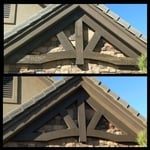
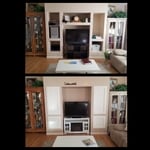
Before
After
Response time4 hrs
Response rate100%
8 neighbors recently requested a quote
Avatar for Guzman Painting & Remodeling
Guzman Painting & Remodeling
5.0(
20
)
Drywall - InstallDrywall - RepairPlaster - Repair

Serving Washington, UT and surrounding areas

Approved

In business since 2016

Free estimates

Offers commercial services

With more than 10 yrs of experience, Guzman Painting is dedicated to providing our customers with the best quality at a great price. We are here to build relationships with our customers and communities and to provide our employees with a great place to work. We look forward to working with you!

Full kitchen repaint

+6

Recommended by70%of homeowners
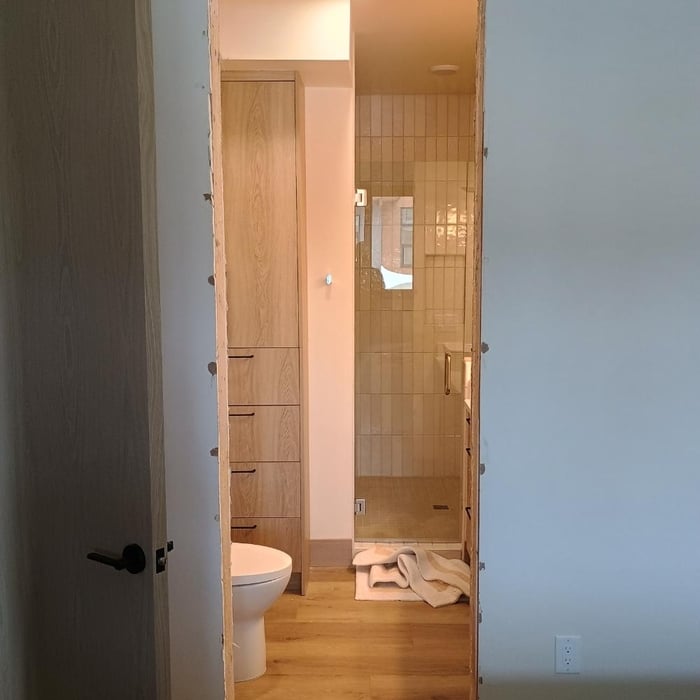
Avatar for Red Rock Construction and Remodel
Red Rock Construction and Remodel
5.0(
6
)
Drywall - Install

Serving Washington, UT and surrounding areas

Approved

Super Service Award Winner

In business since 2022

Free estimates

Emergency services offered

"Allan and his crew were amazing to work with. His communication and knowledge helped us feel comfortable and confident that our remodel was going to be perfect. With the final touches being wrapped up, I am excited to say how impressed we are with the end result. I highly recommend them!"
Response time2 days
Response rate94%
1 neighbors recently requested a quote
...
Showing 1-10 of 209
Wall Repair FAQs, answered by experts

Rebar is a steel support that goes inside concrete to prevent structural damage over time. Concrete is susceptible to impact, weight, and tension. By inserting rebar into the concrete during the installation, you can help extend its lifespan and avoid hazardous situations where the foundation of your home gives way to tensile forces.

Regular inspection for issues like cracks or leaning and ensuring drainage stays clear.

Generally speaking, a retaining wall should be between 3 and 4 feet high, depending on variables such as the wall-building material, the purpose of the retaining wall, and more. If you want your retaining wall to be taller than 4 feet, check with your local building ordinance office for the maximum allotment. You may also need a special permit for retaining walls over 4 feet tall.

Railroad ties can be good for retaining walls, but it depends on the area. They have a desirable rustic look and are durable. The problem is they’re treated with creosote, a preservative the EPA says poses a risk to humans and wildlife. Over time, the preservative seeps out of the wood and into the ground. Many areas have banned the use of creosote-treated wood on residential properties. If your area does allow it, never use railroad ties near an edible garden or drinking water source. Instead, use wood that’s treated with an EPA-approved preservative or a wood-alternative composite material.

Generally, a railroad tie retaining wall consisting of a single line of ties should be between 3 and 4 feet tall—and the height often tops out at around 6 feet. You can go taller, but you may need additional footings and reinforcements, including a second layer of railroad ties to support the added weight of the soil it’s holding back.

The Washington, UT homeowners’ guide to wall repair services

From average costs to expert advice, get all the answers you need to get your job done.