



Top-rated electricians.

Get matched with top electricians in Tremonton, UT

Enter your zip and get matched with up to 5 pros

Need a pro for your electrical service project in Tremonton, UT?

Select your specific project to find the pro for you.

Find Electricians in Tremonton

Gwen's Electric, LLC
5.0(
2
)
Electrical Wiring or Panel UpgradeElectrical Wiring or Panel Upgrade - For BusinessElectrical for Home Addition or Remodel - Install

Serving Tremonton, UT and surrounding areas

Approved

In business since 2000

Free estimates

Credit card accepted

"Gwenâ s employee Steve worked very hard and did a thorough and professional job on our 16x24 shed we had built. They installed everything we needed for electrical in it and also a transfer switch for a generator. Very reasonable and excellent work."
Response time2 days
Recommended by100%of homeowners
...
Showing 1-10 of 71
Electrical questions, answered by experts

Most standard residential water heaters, which are typically around 40 gallons and use 240 volts and between 3,500 and 5,500 watts, require a 30-amp, two-pole circuit breaker. For smaller, point-of-use water heaters using 120 volts and between 1,500 and 3,000 watts, a 30-amp breaker is also often adequate. However, some models may have different needs; units that use more watts than average may require a 40-amp breaker, while smaller units might only need a 20-amp breaker. Newer, tankless, or more energy-efficient models can also require a higher amperage. Having the correct breaker size is crucial for safe and efficient operation, so it's best to consult a licensed electrician to determine the specific needs of your water heater.

According to the National Electrical Code (NEC), GFCI outlets should be installed in wet or damp locations where they might be splashed with water or other liquids. This is to protect against ground faults, which are more common around water. Specific areas that require GFCI outlets include kitchens (especially near counters), bathrooms, laundry rooms, basements, garages, and all outdoor receptacles. Depending on local electrical codes, you may need at least one GFCI outlet in these rooms, or every outlet in the area may need to be GFCI protected.

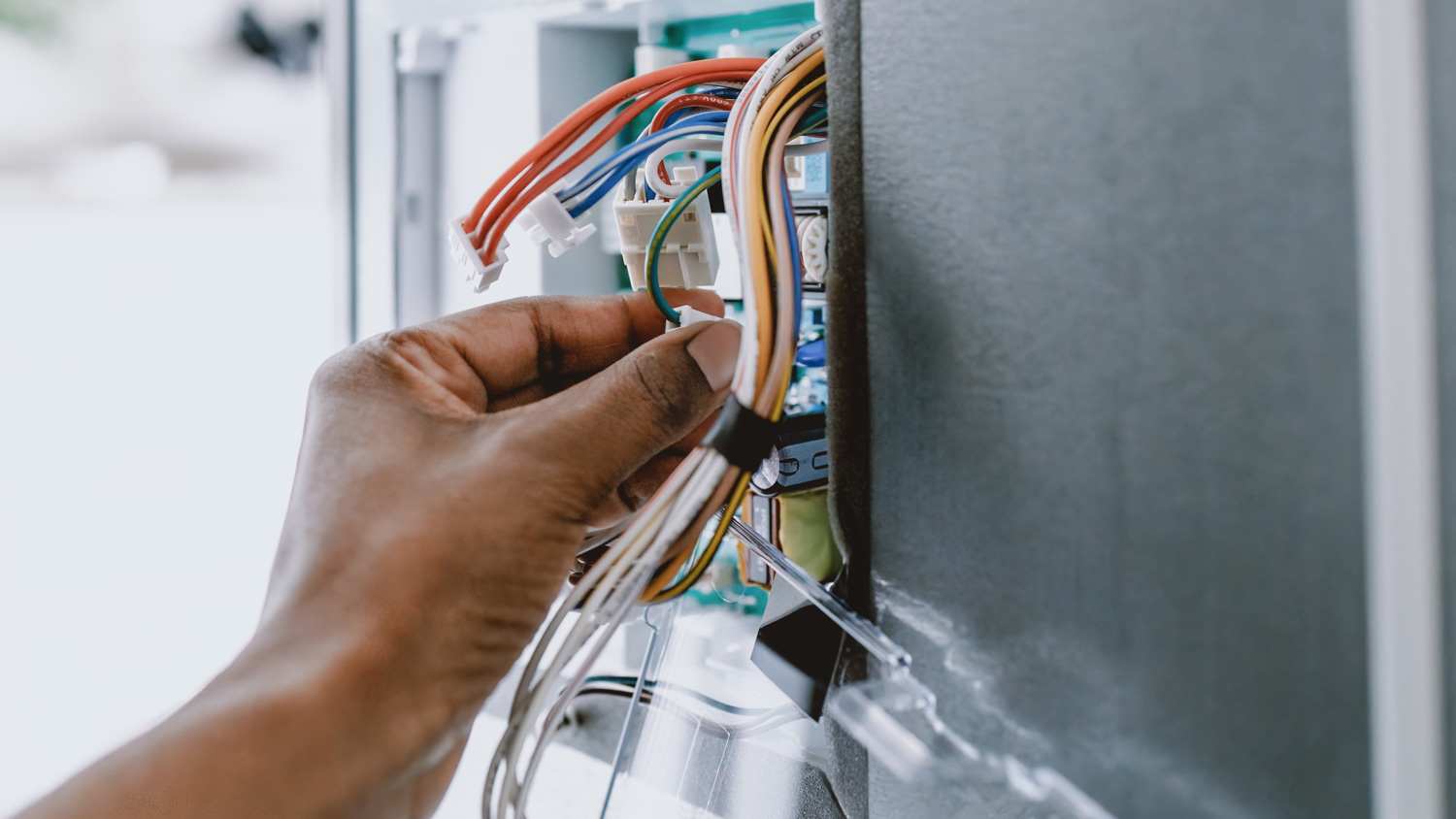
If you connect the wrong electrical wires together, it can lead to a very dangerous electrical shock. All wires should be matched with wires of the same color. It’s very important to consult an electrician if you’re unsure about how to wire your fixture.

No, you should never plug a generator directly into a wall outlet in your house. This practice is extremely dangerous, often illegal, and can cause "back-feeding," where power from the generator flows back into utility lines, creating a life-threatening hazard for utility workers. It can also damage your home's electrical system, including appliances like pumps and HVAC fans. If the main power is restored while the generator is connected, it can destroy the generator and cause an electrical fire. To safely connect a generator, you must use a professionally installed transfer switch or an interlocking kit, which prevents back-feeding by disconnecting your home from the utility grid before the generator provides power.

Home power is measured in kilowatt-hours, commonly expressed as kWh. The average home uses between 800 and 1,000 kWh per month. Peak usage (and highest bills) occurs in the middle of summer and the depths of winter. Keeping on top of your usage during these crucial months will lower your annual average usage considerably. 

The Tremonton, UT homeowners’ guide to electrical services

From average costs to expert advice, get all the answers you need to get your job done.