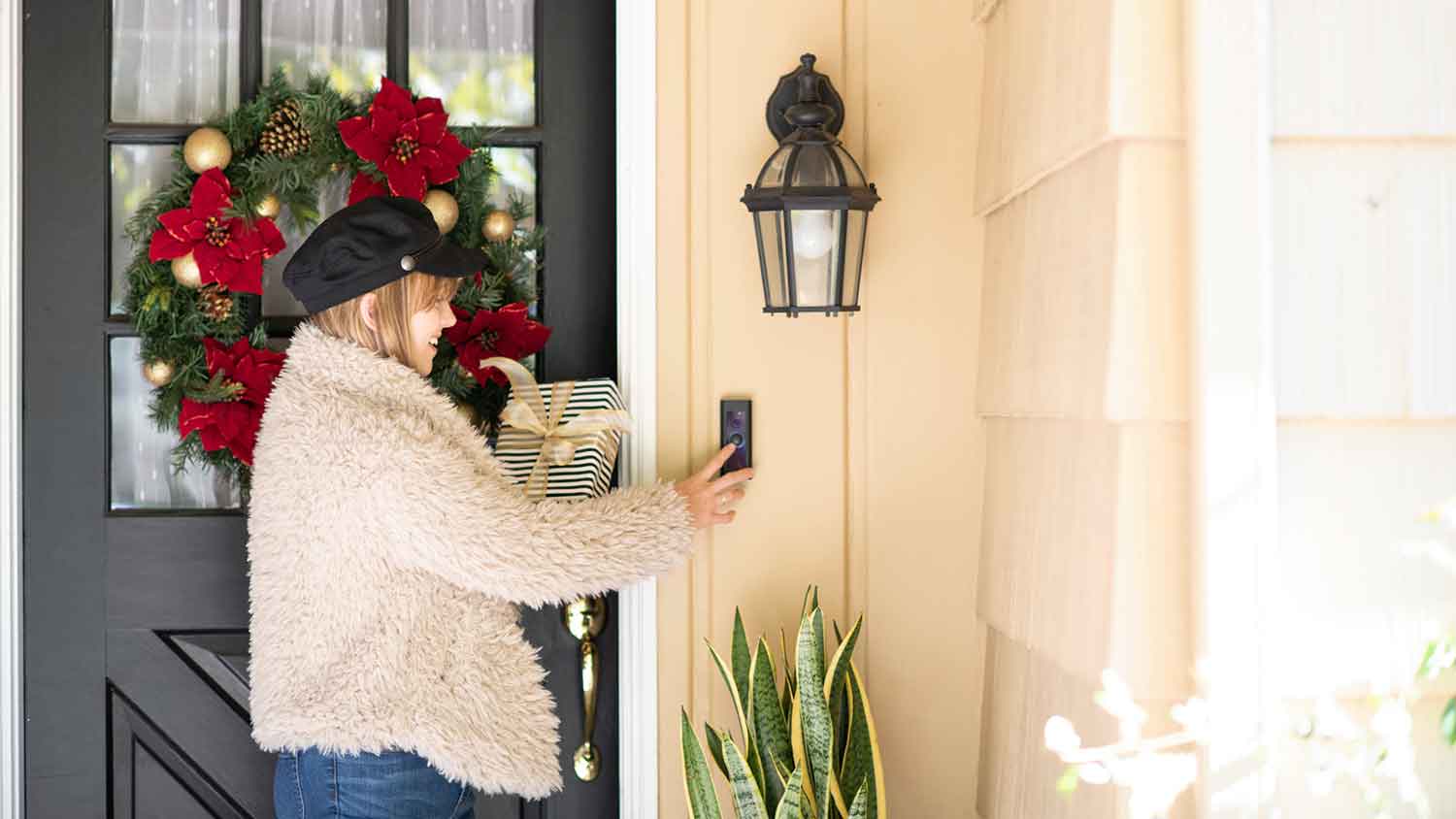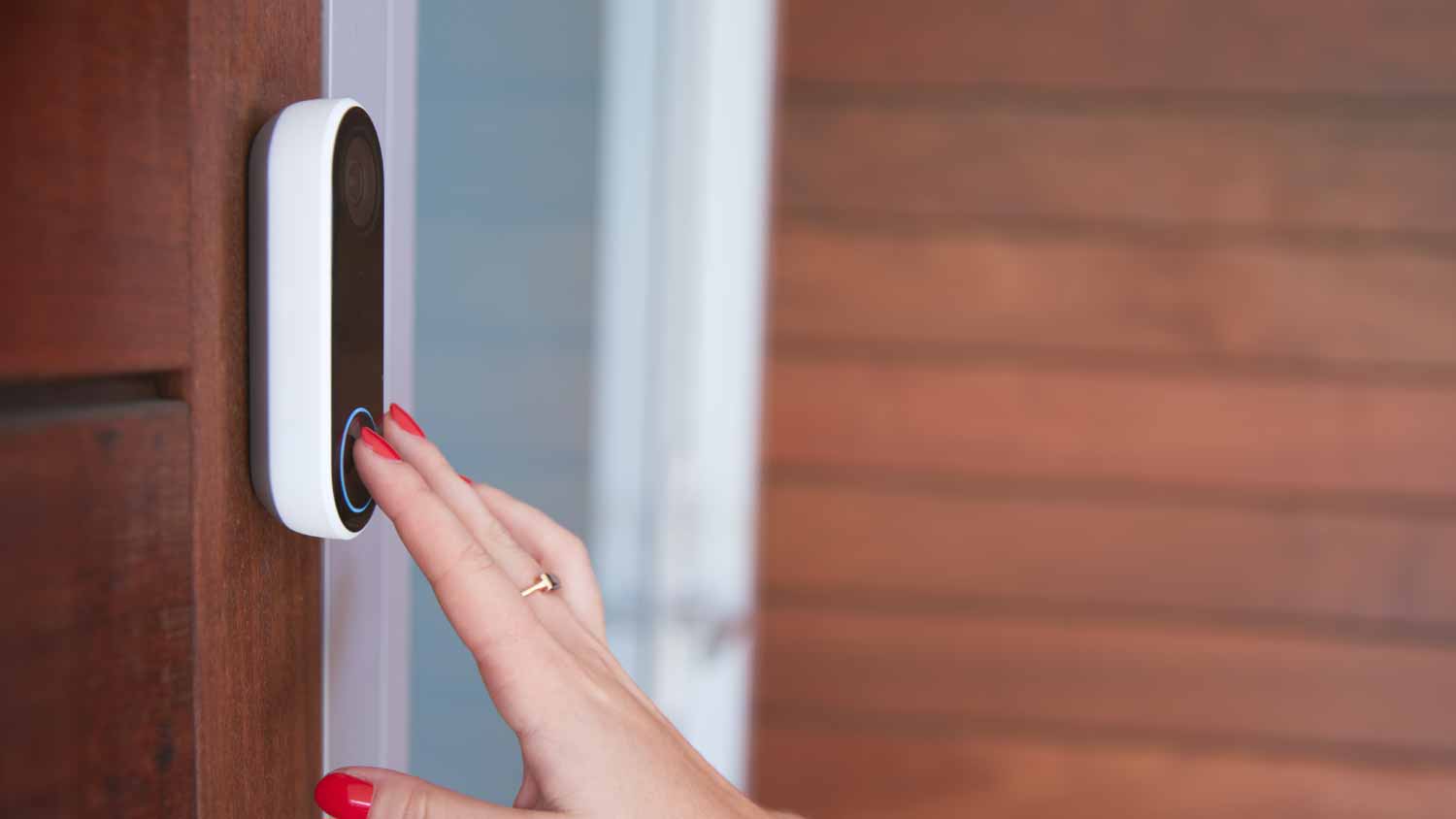




Top-rated doorbell installation pros.

Get matched with top doorbell installation pros in Smithfield, UT

Enter your zip and get matched with up to 5 pros

Need a pro for your doorbell installation project in Smithfield, UT?

Select your specific project to find the pro for you.

TRUSTED BY SMITHFIELD, UT HOMEOWNERS

  • Average homeowner rating star icon4.7
    Average homeowner rating
  • Verified reviews icon102
    Verified doorbell installation services reviews

Find Doorbell installation pros in Smithfield

No results for Doorbell installation pro in

Try adjusting your search criteria.
Doorbell Installation questions, answered by experts

In addition to adding insulation to your attic, you may want to add a radiant barrier. A radiant barrier works by using reflective material, such as foil, on the attic floor. As heat penetrates the roof and enters the attic, the radiant barrier reflects the heat upward and back through the roof. If you receive a lot of direct sunlight on the roof, using both a radiant barrier and insulation in your attic can provide significant benefits.

You don’t need to staple insulation, as your drywall and studs will hold it into place. But if you already have a staple gun and staples lying around, it can help keep the product in place and avoid any shifting. But, most experts agree it’s an unnecessary step.

If you’re adding a vapor barrier, you will need to staple that in place.

R-30 insulation is better for higher thermal resistance, but whether it’s "better" depends on the application. R-30 is much thicker and suited for areas like attics or floors in cold climates, where more insulation is required. R-13, on the other hand, is thinner and works well for 2x4 walls or milder climates where less insulation is sufficient. Choosing between R-13 and R-30 depends on the area being insulated and the climate. For example, R-30 provides more insulation but may not fit everywhere in your home.

On average, insulating an attic costs about $2,500, with a typical range of $1,500 to $3,500. The final price often depends on the attic's size, with costs generally falling between $1 to $3 per square foot. For example, insulating a 1,800-square-foot attic would likely cost between $1,800 and $5,400.

If the project involves removing old insulation, this can add an average of $900 to the total cost, bringing a full removal and reinsulation project to around $3,000.

Several factors influence the overall cost:

  • Insulation Type: Prices per square foot vary significantly by material.

  • Reflective: $0.50–$1.50

  • Blown-in: $1–$4

  • Batt: $2–$4

  • Loose-fill: $2–$5

  • Spray foam: $2–$5

  • Structural insulated panels (SIPs): $4–$7

  • Project Complexity: Factors like sealing air leaks, poor attic accessibility, and required inspections can add to the cost.

  • Removal Issues: The discovery of mold, asbestos, or pests during the removal of old insulation can substantially increase the price.

You do not always need to remove old insulation before adding new. If the existing insulation is in good condition—not wet, physically damaged, moldy, or infested with pests—you can add new insulation directly on top of it for a compounding effect. You can also mix different types, such as adding blown-in insulation around existing fiberglass batts.

However, removal is recommended if the old insulation is compromised by water damage or pests. You should also remove it if you plan to install a different type of insulation, like switching from roll or batt insulation to spray foam. If the existing insulation is very old or damaged, you will likely get more benefit from removing it and starting fresh.

The Smithfield, UT homeowners’ guide to doorbell installation services

From average costs to expert advice, get all the answers you need to get your job done.