"I called the Guy to inspect my place for Mold. I got an immediate response setting up an appointment for the next day. The Guy promptly showed up for our appointment, then went to work inspecting and analyzing the situation and what needed to be done. The Guy, is very competent, thorough and gets right to the issues with his professional work. I am very satisfied with the Guy's analysis inspection and results. I would recommend the Guy, for any type of work in his area of expertise to anyone with a similar question of Mold etc."
Radon Detection and Reduction questions, answered by experts
The soil beneath your house is most likely what’s causing an increased level of radon. This is because soil holds radioactivity for a long time and it’s also what most buildings are built on. Another common source of radon is water from a source that hasn’t been through periodic radon tests, such as well water. Over time, the radon from the soil can inhabit other parts of your house like the foundation or plumbing.
If high radon levels are detected, steps include sealing entry points, installing a mitigation system, and retesting the air regularly to ensure reduced levels.
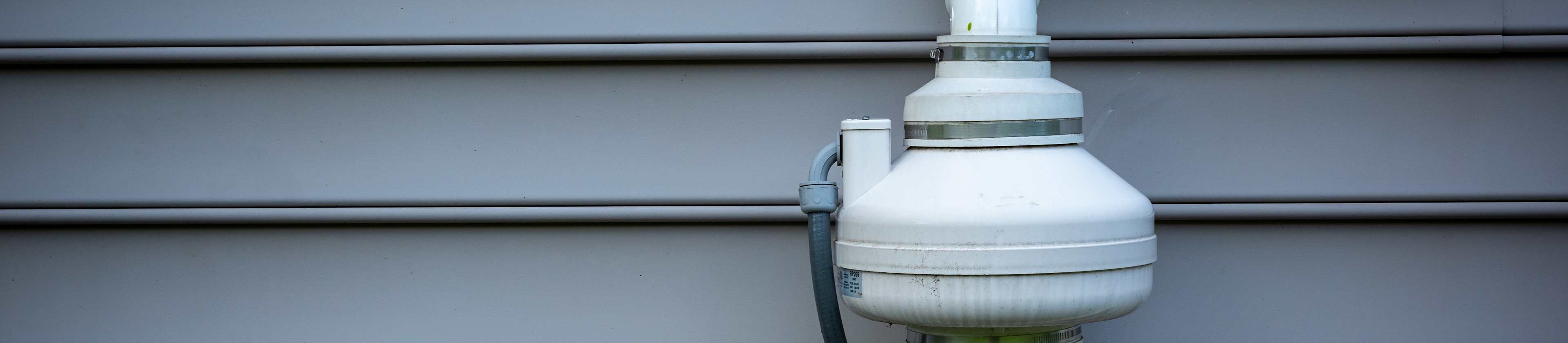
The cost to replace a radon fan ranges from $300 to $600 for the fan itself, with installation adding an additional $200 to $500. Overall, the total cost for replacement can range from $500 to $1,100, depending on factors such as the fan model, home size, and local labor rates. If the fan is part of a larger radon mitigation system, the price may be higher.
The cost for a radon mitigation system typically ranges from $800 to $1,500, with an average around $1,000. The final price depends on several factors, including the size of your home, the severity of the radon issue, and the type of system required. Your home's foundation type also significantly impacts the cost. For example, sealing and ventilating an unfinished basement might cost around $4,600, while encapsulating a crawl space without a foundation slab can range from $1,500 to $15,000.
While DIY testing is possible, abatement generally requires professional installation to ensure efficacy and meet safety standards.
The Monument Valley, UT homeowners’ guide to radon detection and reduction services
From average costs to expert advice, get all the answers you need to get your job done.
Get clear answers on how much radon remediation costs, including average prices, key cost factors, and tips to save money on your home’s radon mitigation.
Find out what impacts radon testing costs, including average prices for DIY kits and professional services, so you can protect your home and budget confidently.
Radon is a gas that you can't see or smell and is harmful to your health. If your home has radon, you need to know who installs radon mitigation systems.