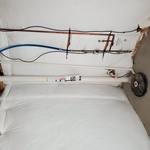
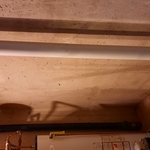
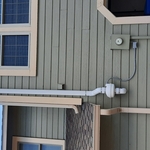
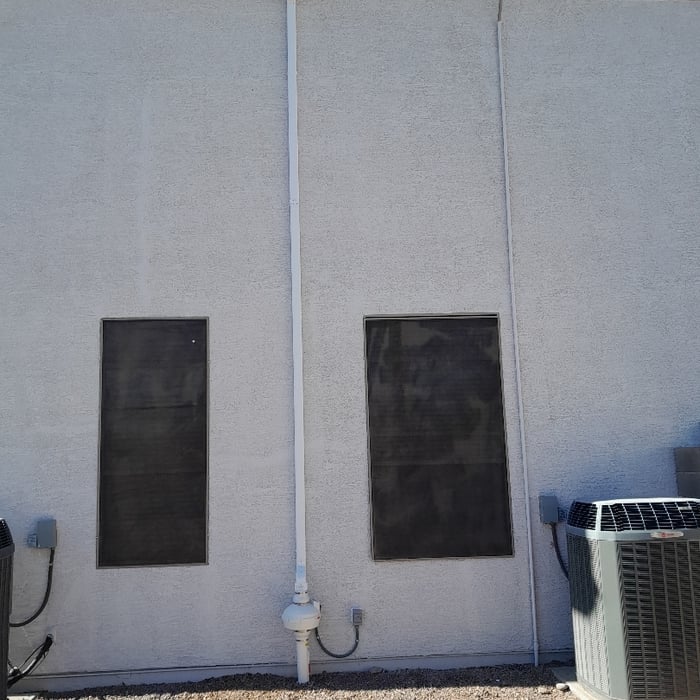
"A potential buyer for a house I was selling had a Radon Test done. It scored a 13.7! Affordable Radon came out and gave me a bid for two systems, one for each side of the house. 3 weeks later the score is 1.1! They did a great job and got rid of the radon from beneath the slab!"
Quality Detailed Analysis Reporting Reasonable Prices Fast Turnaround.
\n
\nIndoor Air Quality Testing, LLC tests for indoor air quality. Toxic molds in a home or commercial property can directly affect the quality of the air you breathe. We conduct Mold Investigations, Mold Testing and Reporting on all manner of Indoor Air Quality issues, including, but not limited to, residential, commercial, and real estate pre-purchase inspections for buyers and sellers. We provide post-remediation final clearance testing. All samples are tested by an EMLAP Certified Laboratory. All analytical data is interpreted, compiled and delivered in a graphically illustrated, bound report to quantify the degree, or absence of, potential indoor bio-burden conditions.
\n
\nWe will respond to all inquiries as soon as possible.
\n
\nSample data turn around time is quick.
\n
\nQuality, bound, detailed analysis in each report.
\n
\nIf you're looking for a top quality, professional testing firm at a reasonable price, Indoor Air Quality Testing, LLC is the company for you!
Asbestos is a hazardous material that poses serious health risks when its fibers become airborne and are inhaled. Exposure to asbestos can lead to severe respiratory diseases, including lung cancer and mesothelioma. For these reasons, it is essential to remove asbestos safely and in compliance with regulations to protect the health of occupants and ensure the property meets safety standards.
Radon Detection and Reduction questions, answered by experts
Keeping radon from getting into your home is much better than having to get rid of it once it's already indoors. While there may not be a way to fully prevent radon from getting into your home, there are things you can do to reduce the gas's ability to enter.
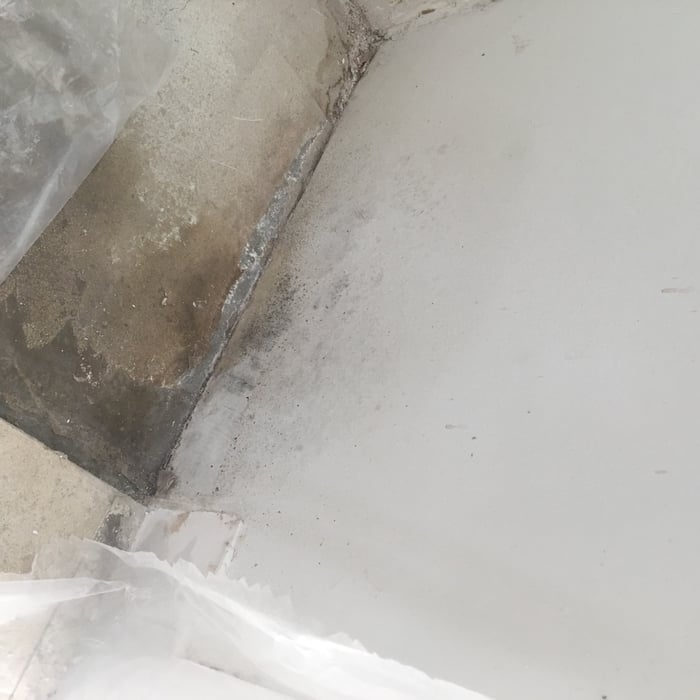
Sealing foundation cracks and openings can help keep the gas from seeping inside. Improving air flow, such as by opening windows, can also be helpful. If you're building your home from scratch, talk to your contractor about using radon-resistant construction to keep the gas out.
Abatement includes sealing entry points and venting with systems that reduce radon levels below recommended EPA limits. It is handled by certified professionals.
Radon is the number one non-smoking cause of lung cancer in the United States, but it can cause some other concerning side effects in the meantime. If you have a raspy voice, chest pains, trouble breathing, difficulty swallowing, or any of the above, don’t hesitate to perform radon testing and install a mitigation system as soon as possible.
Radon is present almost everywhere but, like sunlight, the concentration levels and how often you are exposed to it have a large part to play in just how dangerous it is. There are levels of radon that are acceptable inside a house, but above a certain limit, radon becomes a serious radioactive hazard that is a known cause of lung cancer. In fact, radon exposure is the number two leading cause of lung cancer (after smoking).
Radon enters your home when warm air begins to rise and exits through the roof, creating a vacuum that pulls cooler air from under the foundation. Part of that air is radon, which is an invisible, odorless gas that develops naturally when radioactive particles are deep within the ground. Those particles usually come from decaying matter in soil and rocks.
The Round Rock, AZ homeowners’ guide to radon detection and reduction services
From average costs to expert advice, get all the answers you need to get your job done.
Get clear answers on how much radon remediation costs, including average prices, key cost factors, and tips to save money on your home’s radon mitigation.
Find out what impacts radon testing costs, including average prices for DIY kits and professional services, so you can protect your home and budget confidently.
Radon is a gas that you can't see or smell and is harmful to your health. If your home has radon, you need to know who installs radon mitigation systems.
Knowing how to test for radon will keep your home free and safe from this odorless gas—you just have to decide whether to do it yourself or hire a pro.