



Top-rated retaining wall installation pros.

Get matched with top retaining wall installation pros in Moab, UT

Enter your zip and get matched with up to 5 pros

Need a pro for your retaining wall installation project in Moab, UT?

Select your specific project to find the pro for you.

Find Retaining wall installation pros in Moab

DB Building, Inc.
New to Angi
Retaining Wall - Install

Serving Moab, UT and surrounding areas

Approved

In business since 2000

Free estimates

Offers commercial services

Customer satisfaction is what determines our success, which is why we take a hands-on approach. When interacting with DB BUILDING INC, you'll notice that we're particularly focused on the principles of quality workmanship, timely completion, competitive pricing and integrity in all our business dealings. We combine knowledge and research with our extensive practical experience to ensure a specialized approach for your project needs. Contact us today for a fair and accurate estimate of your project. We look forward to adding you to our long and growing list of happy customers.

Avatar for Mach 2 Construction, LLC
Mach 2 Construction, LLC
New to Angi
Retaining Wall - Install

Serving Moab, UT and surrounding areas

In business since 2013

Free estimates

Mach 2 Construction, LLC is ready to work for you. There isn't a job too big or small for our highly qualified staff. We take care of all our customers the right way. Give us a call today for your free estimate.

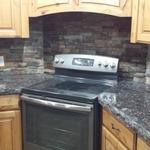
Finished Countertops, Cupboards, Appliances
Corner Cabinets, Stove
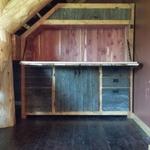
Custom TV Cabinet, Custom Logwork
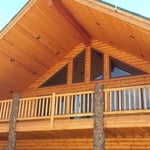
Siding, Soffit, Handrail
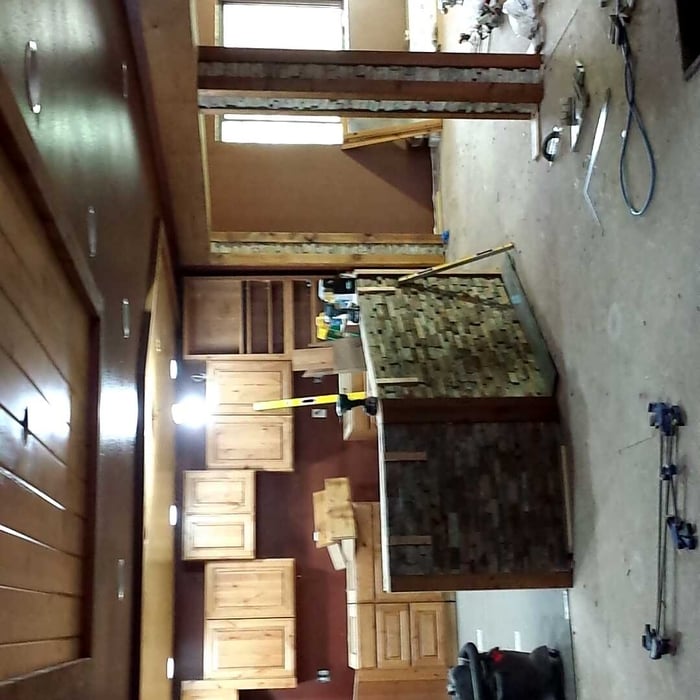
Kitchen Work in Progress

+5

Response time12 hrs
Retaining Wall Installers questions, answered by experts

While vinyl is the least costly material for building a retaining wall, the most cost-effective method is to use wood or concrete blocks for a DIY retaining wall under 2 feet tall. Wood is inexpensive but lasts 20 years or more with care. Concrete can cost a little more but is stronger and will last longer with less maintenance.

Railroad ties can be good for retaining walls, but it depends on the area. They have a desirable rustic look and are durable. The problem is they’re treated with creosote, a preservative the EPA says poses a risk to humans and wildlife. Over time, the preservative seeps out of the wood and into the ground. Many areas have banned the use of creosote-treated wood on residential properties. If your area does allow it, never use railroad ties near an edible garden or drinking water source. Instead, use wood that’s treated with an EPA-approved preservative or a wood-alternative composite material.

Yes, including patterns, finishes, and plant integration for aesthetic enhancement.

Rebar is a steel support that goes inside concrete to prevent structural damage over time. Concrete is susceptible to impact, weight, and tension. By inserting rebar into the concrete during the installation, you can help extend its lifespan and avoid hazardous situations where the foundation of your home gives way to tensile forces.

Sand and gravel are two suitable options for filling behind a retaining wall. If you’re building your own retaining wall, you’ll complete this part of the process—known as backfilling—after you finish laying the blocks. Make sure not to skip it—otherwise, you could wind up with drainage issues, which can cause your retaining wall to collapse.

The Moab, UT homeowners’ guide to retaining wall installation services

From average costs to expert advice, get all the answers you need to get your job done.