

Top-rated mold testing and remediation specialists.

Get matched with top mold testing and remediation specialists in Moab, UT

Enter your zip and get matched with up to 5 pros

Need a pro for your mold testing and remediation project in Moab, UT?

Select your specific project to find the pro for you.

Find Mold testing and remediation specialists in Moab

Avatar for American Home Shield – Home Warranty
American Home Shield – Home Warranty
3.5(
5,688
)
Dry-rot, Water or Pest Damage - Major Repair

Serving Moab, UT and surrounding areas

In business since 1971

Credit card accepted

"AHS is ok. They cover repairs of most everything under the roof of your house. The companies that contract with them are not always the best. You call AHS with the issue, they send a fax to the repair company and give you the contact info. If they don't contact you within 24 hours, you call them. Sometimes they answer, sometimes they don't. When they arrive (usually three days or so later), they service the item. if it has issues within the 90 days, you call AHS again, they are sent out with no charge. If the serviceman decides the unit is unrepairable, AHS will allow you to choose a replacement from their listing (usually not as good as what you have) they will install and remove your old item, or give you wholesale amount to buy and install your own. Prices vary on what you want covered and what you want the copay to be, plus where you live. For me it is 49.99 per month with a 75.00 time of service order. You can have more than one item serviced at the same time under the same fee. If you have a SEAR product the repair guys are great. Not that wild about the other ones they send out. But it is a big savings compared to calling someone on your own. The cost of service is only the 75.00 copay."
Additional Photos
Additional Photos
Additional Photos
Additional Photos
Additional Photos

+2

Recommended by65%of homeowners
That Asbestos Guy Environmental, LLC
5.0(
6
)
Indoor Air Quality TestingMold & Toxic Material Test

Serving Moab, UT and surrounding areas

In business since 2010

Free estimates

Emergency services offered

"I called the Guy to inspect my place for Mold. I got an immediate response setting up an appointment for the next day. The Guy promptly showed up for our appointment, then went to work inspecting and analyzing the situation and what needed to be done. The Guy, is very competent, thorough and gets right to the issues with his professional work. I am very satisfied with the Guy's analysis inspection and results. I would recommend the Guy, for any type of work in his area of expertise to anyone with a similar question of Mold etc."
Recommended by100%of homeowners
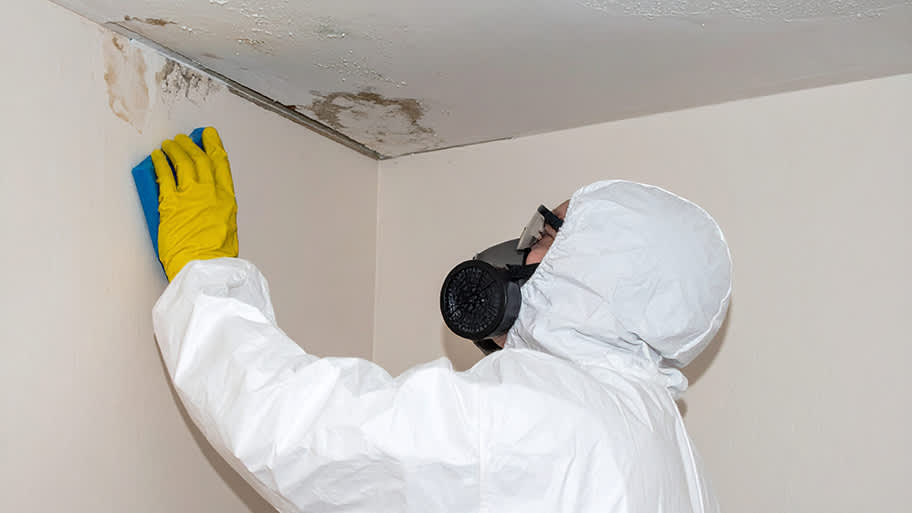
Mold Testing and Remediation questions, answered by experts

Mold loves moisture, so prolonged high humidity levels or standing water can trigger mold growth. Mold also needs a food source to grow on, such as wood, fabric or another material. However, it's moisture that's most important for mold growth, which is why you want to keep humidity levels low.

If you find black residue in your toilet tank, chances are it’s caused by manganese deposits from hard water and not mold growth. You can prevent these deposits from damaging your toilet by installing a water softener in your home, which also might improve the quality of your drinking water. You can also remove the deposits inside your toilet tank once every six months or so to prevent them from causing problems with toilet functionality.

The symptoms of mold exposure for sensitive parties include a skin rash, runny nose, coughing, sore throat, burning eyes, and even more severe allergic reactions. If you notice signs of mold exposure, contact a medical professional right away.

According to the Environmental Protection Agency (EPA), hazardous waste is generally classified into four main categories:

1. Characteristic Wastes: These exhibit at least one of four hazardous traits: ignitability (flammable, like gasoline), corrosivity (can rust or decompose materials, like car batteries), reactivity (unstable and can explode, like aerosol cans), or toxicity (harmful when ingested, like lead-based paint).

2. Listed Wastes: These are specific wastes from manufacturing and industrial processes that the EPA has officially designated as hazardous. They include byproducts from processes that use solvents, pesticides, and other chemicals.

3. Universal Wastes: These are commonly generated hazardous items that are subject to streamlined regulations. Examples include batteries, pesticides, mercury-containing equipment (e.g., bulbs), and some lamps.

4. Mixed Wastes: This category includes waste that contains both hazardous and radioactive components, making it subject to regulation by both the EPA and the Nuclear Regulatory Commission.

Toxic mold doesn't have a specific color; instead, toxicity depends on the type of mold and the mycotoxins it produces. Stachybotrys chartarum (also known as black mold) is notorious for its potential toxicity. However, not all molds appearing black are Stachybotrys chartarum. Mold species that appear in various colors, such as green, gray, brown, or black, can also produce mycotoxins. Therefore, it's essential to focus on identifying the type of mold through professional testing rather than relying solely on color to determine its toxicity.

The Moab, UT homeowners’ guide to mold testing and remediation services

From average costs to expert advice, get all the answers you need to get your job done.